
 (412) 667-2539
  (412) 667-2539
Roof Coating: 8 Benefits and When It’s Worth It in 2026

02.07.25

8 Minute Read
Roof coating systems continue to be a popular option for property owners looking to extend the life of an existing roof without investing in a full replacement. Whether applied to a flat roof, metal roof, or low-slope roofing system, a quality roof coating can improve energy efficiency, enhance waterproofing, and help reduce long-term maintenance costs.
However, roof coatings are not the right solution for every roof. Understanding the benefits, coating types, and situations where a coating makes sense can help homeowners and business owners make an informed decision. If you’re exploring ways to extend the life of your roofing system, professional roof repair services may help determine whether a coating or another solution is the best fit.
- Primary purpose: Extend roof lifespan and improve protection
- Best for: Aging roofs that remain structurally sound
- Common advantages: Energy savings, waterproofing, and lower maintenance
- Important consideration: Not every roof qualifies for a coating system
What Is a Roof Coating?
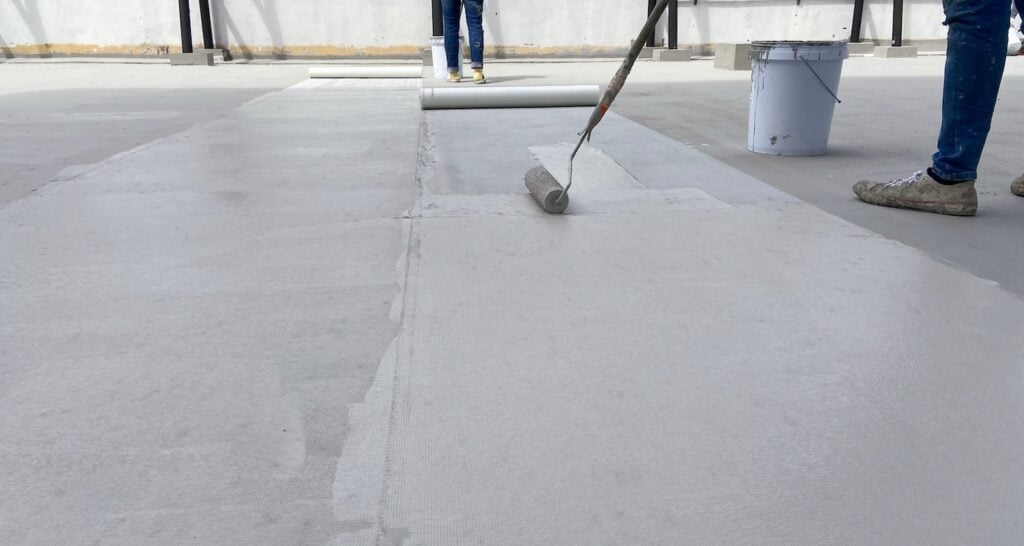
A roof coating is a protective membrane applied directly over an existing roof surface. Most coatings are elastomeric materials designed to expand and contract with temperature changes while creating a seamless protective barrier.

Once applied, the coating helps protect roofing materials from UV exposure, standing water, weather damage, and normal aging. Many coating systems also reflect sunlight, helping reduce heat absorption and improve overall energy efficiency. Because coatings can restore and protect existing roofing systems, they are often considered a cost-effective alternative to premature roof replacement.
8 Benefits of Roof Coatings
Roof coatings offer several advantages that can improve both roof performance and long-term value.
1. Extend Roof Lifespan
Roof coatings help protect roofing materials from ongoing exposure to sunlight, moisture, and weather.
- Seals minor imperfections: Helps prevent deterioration
- Protects existing materials: Slows the aging process
- Delays replacement needs: Extends usable roof life
A coating can add years of service life when applied to a roof in good condition.
2. Improve Energy Efficiency
Many modern coatings are highly reflective and designed to reduce heat absorption. According to the U.S. Environmental Protection Agency, solar reflectance from a cool roof can reduce peak cooling demand by 11 to 27% in air-conditioned residential buildings — making reflective roof coatings one of the most cost-effective ways to improve energy performance without replacing the entire roofing system.
- Reflects UV rays: Helps keep roof surfaces cooler
- Reduces cooling demands: Can lower energy consumption
- Supports indoor comfort: Especially during warmer months
Energy-efficient coatings are particularly beneficial in areas with prolonged sun exposure.
3. Create a Waterproof Barrier
Roof coatings help prevent water intrusion by creating a seamless protective surface.

- Protects against leaks: Reduces moisture penetration
- Seals vulnerable areas: Covers small cracks and gaps
- Improves weather resistance: Enhances overall roof protection
Waterproofing benefits are especially important on flat roofs and low-slope systems.
4. Reduce Maintenance Costs
A protected roof generally requires fewer repairs and less frequent maintenance.
- Limits weather-related wear: Reduces ongoing damage
- Protects roofing components: Helps preserve system integrity
- Lowers repair expenses: Over the life of the roof
Preventative protection often costs less than repeated repairs.
5. Improve Roof Appearance
Coatings can restore the appearance of aging roofing systems.
- Creates a uniform finish: Covers discoloration and weathering
- Improves curb appeal: Enhances the roof’s appearance
- Refreshes aging surfaces: Without full replacement
Many property owners appreciate both the functional and cosmetic benefits.
6. Support Sustainability Goals
Roof coatings can help reduce roofing waste and improve efficiency.
- Extends roof life: Reduces landfill waste
- Improves energy performance: Supports lower energy usage
- Minimizes material consumption: Delays replacement projects
This makes coatings an environmentally friendly roofing option.
7. Protect Against UV Damage
Constant sun exposure can break down roofing materials over time.
- Reduces UV deterioration: Helps preserve roofing surfaces
- Maintains flexibility: Prevents premature cracking
- Extends performance life: Especially in sunny climates
UV protection is one of the primary reasons many roofs benefit from coatings.
8. Cost Less Than Full Replacement
In certain situations, roof coatings can provide a more affordable solution than replacing the roof.
- Lower upfront investment: Compared to replacement
- Faster installation: Reduces project disruption
- Preserves existing roofing system: When structurally sound
A professional inspection can determine whether a coating is a viable option.
Common Types of Roof Coatings

Different roof coating products offer unique advantages depending on the roof type, climate conditions, and performance goals. Understanding the strengths and limitations of each option can help you choose the best coating for long-term protection and value.
Acrylic Roof Coatings
Acrylic roof coatings are one of the most popular options because they are affordable, easy to apply, and highly reflective. These water-based coatings help reduce heat absorption by reflecting UV rays away from the roof surface, making them a strong choice for warmer climates. Acrylic coatings perform best on roofs with good drainage and are commonly used on both residential and commercial properties.
Silicone Roof Coatings
Silicone roof coatings are known for their superior waterproofing capabilities. Unlike many other coating systems, silicone performs exceptionally well in areas where standing water is common, making it a popular option for flat and low-slope roofs. In addition to resisting moisture intrusion, silicone coatings also provide long-lasting protection against mold, mildew, and weather-related deterioration.
Polyurethane Roof Coatings
Polyurethane roof coatings are designed for strength and durability. They offer excellent resistance to impact, foot traffic, and harsh weather conditions, making them a common choice for commercial and industrial roofing systems. Property owners looking for a coating that can withstand hail, debris, and regular maintenance activity often choose polyurethane because of its toughness and long service life.
Asphalt Roof Coatings
Asphalt roof coatings have been used for decades to protect aging roofing systems and built-up roofs. They create a durable protective layer that helps shield the roof from weather exposure and minor wear. While they may not provide the same level of reflectivity as other coating options, asphalt coatings remain a cost-effective solution for extending roof life and improving short-term protection.
Elastomeric Roof Coatings
Elastomeric roof coatings are valued for their flexibility and versatility. These coatings expand and contract as temperatures change, helping prevent cracks and maintaining a seamless waterproof barrier. Because they work well on a variety of roofing materials and climate conditions, elastomeric coatings are often considered one of the most adaptable options for extending roof life while improving moisture protection and energy efficiency.
When Is a Roof Coating Worth It?
A roof coating can be an excellent investment when the underlying roof structure remains in good condition. Coatings are often used to restore aging roofs that have minor wear but do not yet require replacement.
A coating may be worth considering if:
- The roof is structurally sound
- Leaks are minimal or have been repaired
- The roof surface is aging but intact
- Energy efficiency improvements are desired
- You want to delay roof replacement costs
However, roofs with widespread water damage, significant structural issues, or extensive deterioration may require more than a coating system.
Roof Coating vs. Roof Replacement
Property owners often wonder whether they should apply a coating or invest in a new roof.
| Roof Coating | Roof Replacement |
|---|---|
| Lower upfront cost | Higher initial investment |
| Extends existing roof life | Completely replaces aging materials |
| Faster installation | Larger project timeline |
| Best for structurally sound roofs | Best for severely damaged roofs |
| Improves energy efficiency | Provides a brand-new roofing system |
A professional inspection can help determine which option provides the best long-term value.
How to Choose the Right Roof Coating
Choosing the right coating depends on several factors, including roof type, climate conditions, budget, and performance goals.
- Assess roof condition: Determine whether repairs are needed first
- Consider local weather: Match the coating to climate demands
- Evaluate longevity goals: Some coatings last longer than others
- Review maintenance expectations: Different products require different upkeep
- Consult a roofing professional: Ensure compatibility with your roofing system
Selecting the right product helps maximize performance and return on investment.
Frequently Asked Questions About Roof Coatings
Homeowners and commercial property owners often have questions about how roof coatings work and whether they are worth the investment. Understanding the benefits and limitations can help you determine whether a coating is the right solution for your roof.
How long does a roof coating last?
Most roof coatings last between 10 and 20 years depending on the product, climate, maintenance, and installation quality. Some systems can be recoated to extend their lifespan even further.
Can a roof coating stop leaks?
Roof coatings can help seal small cracks and minor leak-prone areas, but significant leaks and underlying damage should be repaired before a coating is applied.
Are roof coatings only for flat roofs?
No. While roof coatings are commonly used on flat roofs, they can also be applied to metal roofs and certain low-slope roofing systems depending on the product.
Do roof coatings improve energy efficiency?
Yes. Many reflective roof coatings help reduce heat absorption, which can lower cooling costs and improve indoor comfort during warmer months.
What types of materials are used in roof coatings?
Most roof coatings are made from acrylic, silicone, polyurethane, asphalt, or elastomeric materials. Each offers different benefits related to waterproofing, durability, flexibility, and UV protection.

Community Pro Roofing: Protect Your Roof for the Long Haul
A quality roof coating can be an effective way to extend the life of your roof, improve energy efficiency, and reduce long-term maintenance costs. The key is determining whether your roof is a good candidate and selecting the right product for your specific needs.
At Community Pro Roofing, we help homeowners and property owners evaluate their roofing systems and recommend solutions that deliver lasting value. Whether you are considering a roof coating, repairs, or a full replacement, our team can help you make the right decision. Contact our roofing specialists to schedule an inspection and discuss the best options for your roof.
