 (412) 667-2539
  (412) 667-2539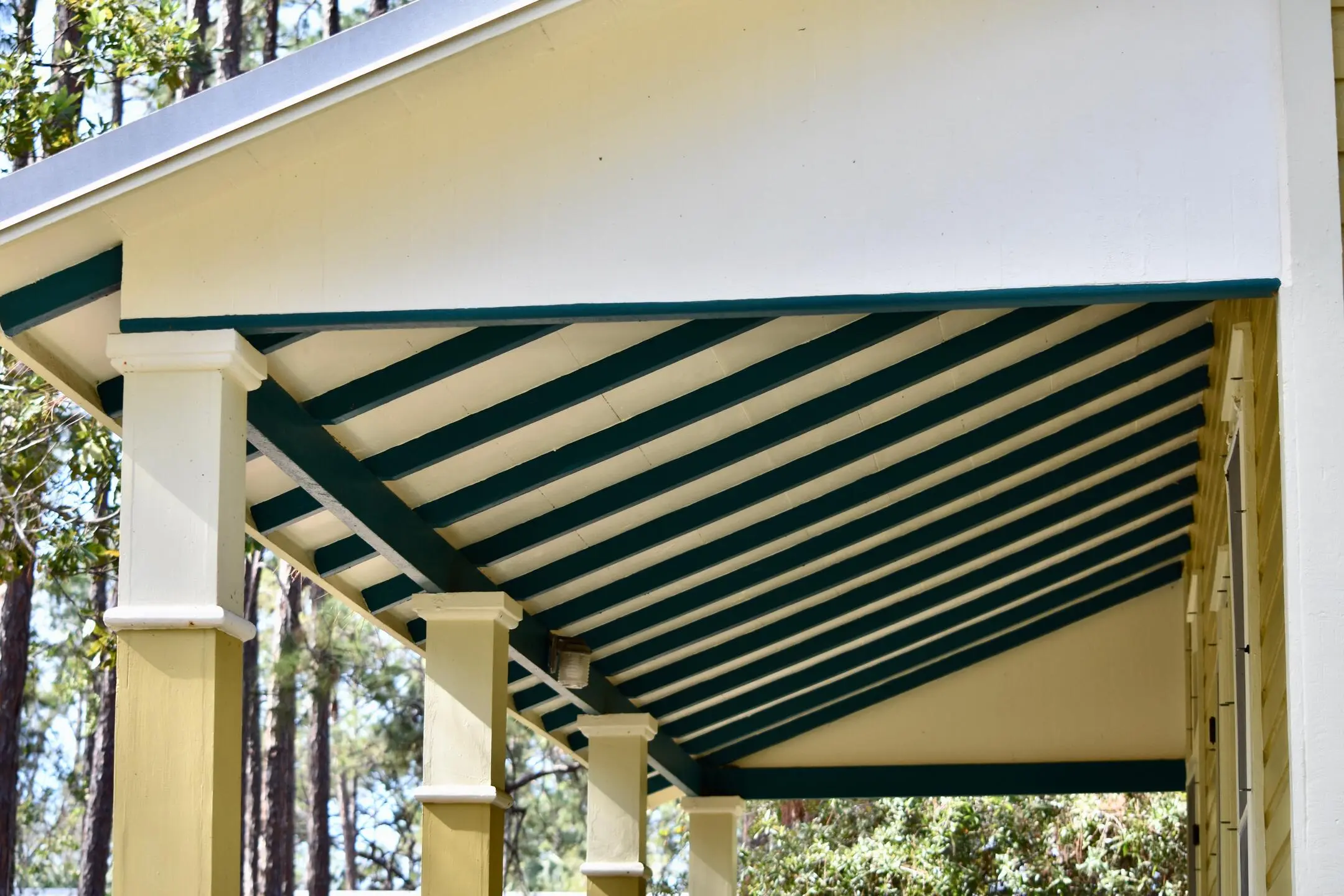
6 Types Of Roof Overhang & Their Benefits

02.14.25

10 Minute Read
When it comes to designing or improving your home, a feature many homeowners overlook is the roof overhang—the part of the roof that extends beyond the walls of your house. While aesthetics are a compelling reason to give roof overhangs attention, their functionality in protecting your home and enhancing energy efficiency is equally important.
Whether you’re building a new home or updating your current roof, understanding the types of roof overhangs and their benefits can help you make informed decisions that pay off in the long run. Below, we’ll explore the various types of roof overhangs and their advantages, covering the following points:
- What is a roof overhang and why is it important?
- 6 Types of roof overhangs with descriptions
- How roof overhangs protect your home
- Energy efficiency and roof overhangs
- What to consider when choosing an overhang
What is a Roof Overhang and Why is it Important?
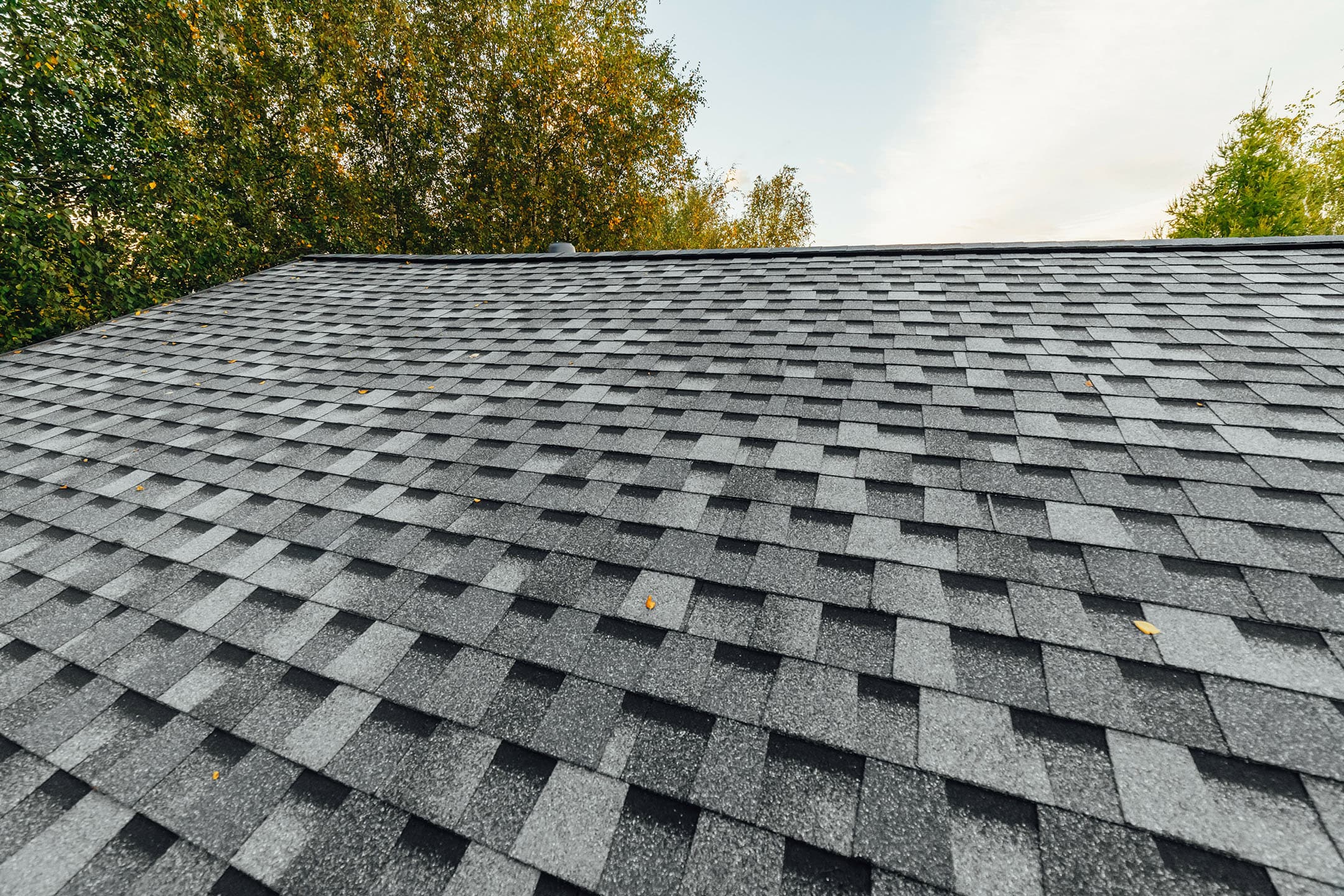
A roof overhang is the portion of the roof that extends beyond your home’s exterior walls. This simple yet highly-functional feature plays a vital role in protecting your home from the elements by sending rainwater, snow, and debris away from your walls and foundation. Additionally, it provides shade, reduces solar heat gain, and enhances the overall curb appeal of your property.
Because of its dual role in form and function, selecting the right roof overhang style is critical to meeting your home’s specific needs and design goals.
Benefits of Roof Overhangs for Your Home
Roof overhangs protect your home by shielding it from rain, snow, and excessive sunlight, helping to prevent water damage and maintain energy efficiency. They also enhance the home’s appearance and provide added comfort by offering shade and weather protection.
- Protects walls and foundation by preventing water damage.
- Reduces the risk of long-term structural issues.
- Regulates indoor temperatures by providing shade.
- Minimizes heat from direct sunlight, improving energy efficiency.
- Enhances your home’s aesthetic by adding architectural character.
- Improves curb appeal with a stylish design.
6 Types of Roof Overhangs & Their Benefits
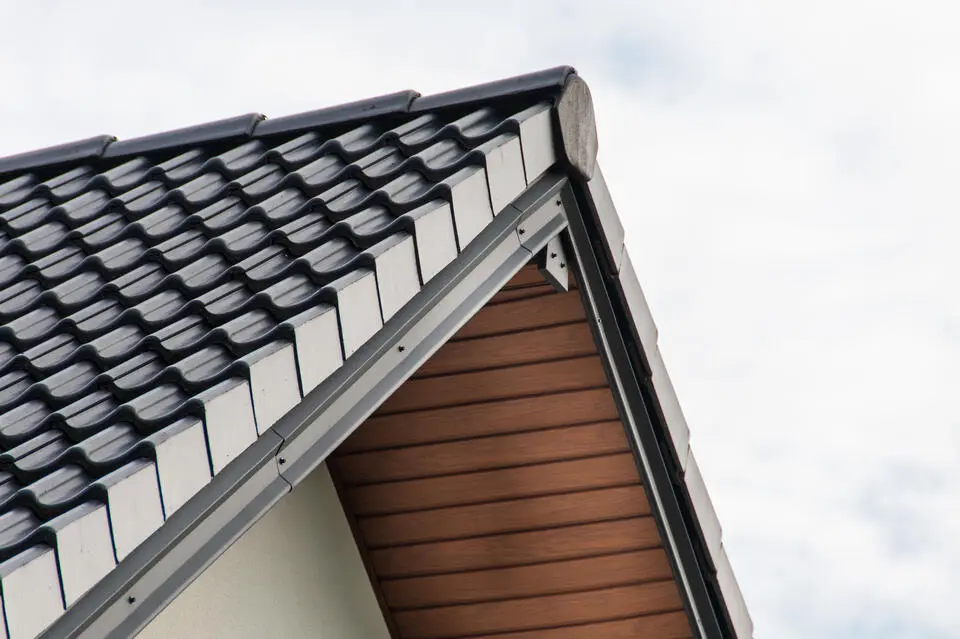
Roof overhangs are essential for protecting your home from the elements, like rain, snow, and harsh sunlight. Understanding the different types and their benefits can help you choose the right design to enhance both functionality and curb appeal.
1. Eaves
Eaves are the most common type of roof overhang and a vital component of most traditional home designs. These overhangs extend horizontally beyond the exterior walls, forming a protective shield against the elements. By directing rainwater and snow away from the walls and foundation, eaves prevent water damage that could lead to costly structural issues. They also provide a small amount of shade for upper-wall windows, reducing the heat entering your home and offering slight energy efficiency. Additionally, eaves seamlessly incorporate gutters, improving rainwater management and adding functionality to your home’s drainage system. This combination of protection, shade, and water management makes eaves a practical and versatile feature for any roof design.
2. Gable Overhangs
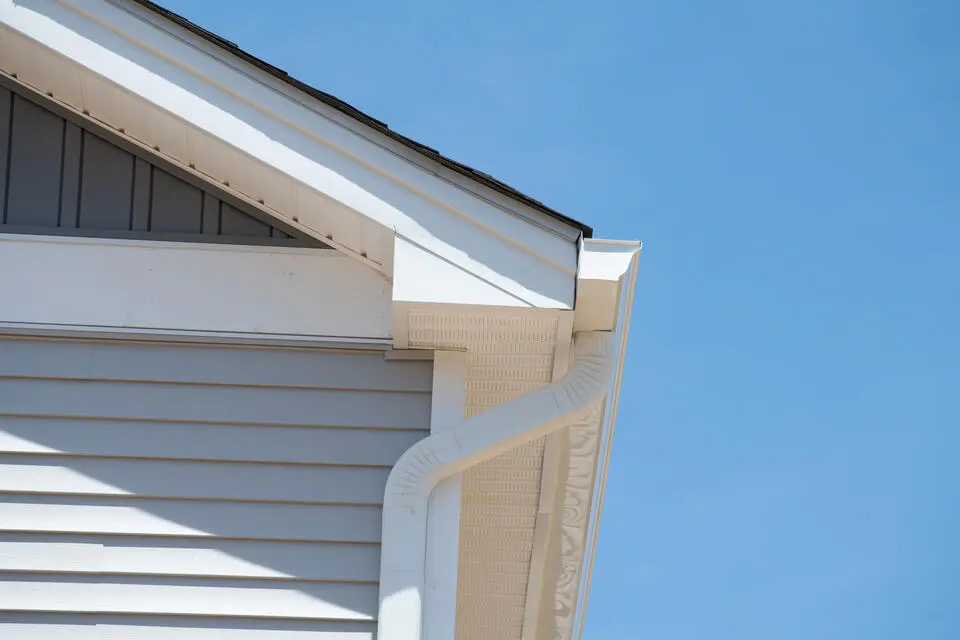
Gable overhangs are a defining feature of gable roofs, which are characterized by their triangular peaks. These overhangs extend along the sloped edges of the roofline, offering both practical and aesthetic benefits. Functionally, gable overhangs provide enhanced water protection for the gable walls, helping to prevent water infiltration and damage during storms. Architecturally, they emphasize the distinct shape of the gable roof, creating a striking visual feature that enhances the home’s curb appeal. Gable overhangs also offer shading for windows on the upper stories, helping to reduce sunlight exposure and cooling costs. Their ability to blend functionality with style makes gable overhangs a popular choice for homes with pitched roofs.
3. Open Rafters
Open rafters leave the structural beams of the overhang exposed and unboxed, adding a rustic, natural charm to a home’s exterior. This design choice highlights the raw beauty of the construction materials and is often associated with craftsman, farmhouse, or cabin-style homes. The exposed rafters create a unique handcrafted look that stands out from more conventional roofing styles. Because open rafters do not require the additional materials and labor involved in boxing or enclosing the overhang, they are a budget-friendly option. While primarily chosen for their aesthetic appeal, open rafters also provide functional shading for small areas, such as doorways or patios, making them both stylish and cost-effective.
4. Boxed Overhangs
Boxed overhangs provide a sleek, polished appearance by enclosing the eaves with soffits and fascia boards. This refined design is a popular choice for modern or suburban homes, where a clean, finished look is desired. Beyond their visual appeal, boxed overhangs play a critical role in the home’s ventilation system. They are often equipped with soffit vents, which allow air to circulate in and out of the attic. This ventilation helps regulate attic temperatures and prevents moisture buildup, extending the life of your roofing materials. Boxed overhangs also enhance rainwater management when paired with integrated gutters, reducing the risk of water damage to your home’s exterior. By combining aesthetics, functionality, and ventilation, boxed overhangs offer a durable and well-rounded solution for any roof.
5. Flat Overhangs
Flat overhangs are defined by their horizontal extension without a slope and are most commonly seen in modern and contemporary architectural designs. These overhangs create a minimalist, streamlined look that complements homes with clean lines and geometric shapes. Flat overhangs are particularly useful for providing ample shade to large windows or outdoor spaces, helping to keep interiors cooler during hot weather and reducing energy use for air conditioning. Unlike sloped overhangs, flat designs are easy to clean and maintain due to their straightforward construction. Their combination of simplicity, functionality, and modern appeal makes flat overhangs a staple in contemporary home design.
6. No Overhang
Some modern and industrial architectural styles forego traditional roof overhangs entirely, opting for a sleek, minimalist design. Roofs without overhangs create a strikingly clean and contemporary appearance, as they eliminate the need for soffits, fascias, or additional structural elements. However, homes with no overhangs require careful planning and additional features to manage water and heat effectively. Without the natural shade and water diversion provided by overhangs, these designs often rely on advanced drainage systems, heat-resistant materials, and smart insulation to maintain comfort and prevent damage. Despite requiring more maintenance and strategic planning, the bold and distinctive look of a roof with no overhang makes it an appealing choice for those seeking a cutting-edge design.
How Roof Overhangs Protect Your Home
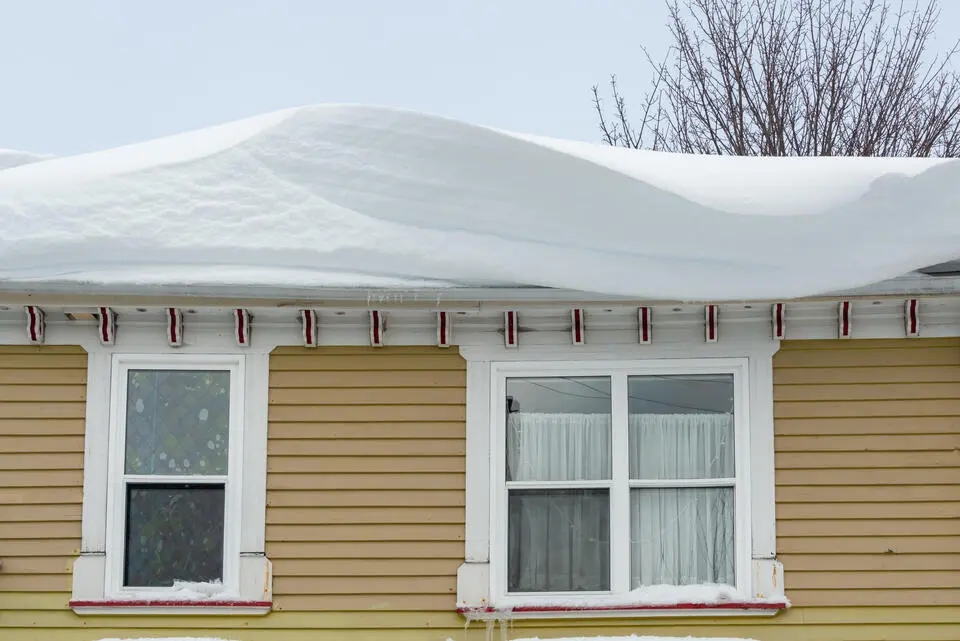
The functional role of roof overhangs cannot be overstated. Acting as your home’s first line of defense, they safeguard against rain, snow, and wind. By redirecting water away from walls and foundations, roof overhangs minimize the risk of water damage, mold, and soil erosion around your home.
Additionally, with proper gutter systems integrated into overhang designs, they streamline water drainage, protecting landscaping and walkways.
Energy Efficiency and Roof Overhangs
Well-designed roof overhangs don’t just protect—they save energy. By controlling how much sunlight enters your home, overhangs help regulate indoor temperatures throughout the year.
Summer: Roof overhangs provide crucial shade, keeping your home cool and reducing the need for air conditioning.
Winter: A shorter overhang allows more sunlight into your home, warming interiors naturally and lowering heating costs.
This balance is particularly beneficial when paired with energy-efficient windows and insulation, giving you year-round savings and enhanced comfort.
What to Consider When Choosing a Roof Overhang
When selecting the right roof overhang, consider these factors to ensure maximum functionality and style for your home:
- Climate: For wetter climates, prioritize longer overhangs for enhanced rain protection.
- Architectural Style: Ensure the overhang aligns with your home’s exterior design for a cohesive look.
- Budget: Factor in the costs of materials, labor, and maintenance. Open rafters, for instance, may cost less but won’t offer the finished look of boxed soffits.
- Local Building Codes: Some municipalities require specific overhang lengths for adequate drainage and safety.
Expert Roofing Solutions Tailored to Your Home’s Needs
At Community Pro Roofing, we understand that your roof is more than just a structural element—it’s a vital part of your home’s comfort, durability, and aesthetic appeal. Our experienced team prioritizes quality craftsmanship and personalized solutions to ensure your roof overhang perfectly suits your needs and style. From initial consultation to project completion, we work closely with you, combining expertise and care to deliver outstanding results. Trust Community Pro Roofing for all your roofing needs, and rest assured that your home is in capable hands. Contact us today to schedule a consultation and take the first step toward a better, more efficient roof!
What is a roof overhang?
A roof overhang is the portion of the roof that extends beyond a home’s exterior walls, typically by 12 to 24 inches. It protects the walls, windows, and foundation from rain, snow, and direct sunlight, while also improving the home’s energy efficiency by providing natural shade in summer months.
How long should a roof overhang be?
The standard roof overhang for a residential home is between 12 and 18 inches. In climates with heavy rainfall or intense sun — like many parts of Pennsylvania — overhangs of 24 to 36 inches offer better protection. Very short overhangs (under 6 inches) provide little weather protection and are typically used only for aesthetic reasons in modern architecture.
What is the difference between eaves and a roof overhang?
Eaves are a specific type of roof overhang — they are the lower edge of the roof that extends horizontally beyond the wall. The term “roof overhang” is the broader category, which includes eaves, gable overhangs, boxed soffits, and open rafters. In everyday use the terms are often used interchangeably, but technically all eaves are overhangs, while not all overhangs are eaves.
Do roof overhangs prevent water damage?
Yes. Roof overhangs redirect rainwater and snowmelt away from the home’s siding, windows, and foundation — reducing the risk of water infiltration, mold growth, and soil erosion. When paired with a properly installed gutter system, a well-sized overhang is one of the most effective ways to protect a home’s exterior from long-term water damage.
Can a roof overhang improve energy efficiency?
Yes. A properly sized roof overhang blocks high-angle summer sun from entering windows, reducing indoor temperatures and lowering air conditioning costs. In winter, the lower sun angle means more sunlight passes under the overhang and into the home, helping to warm interiors naturally. The U.S. Department of Energy recognizes roof overhangs as a passive solar design element that can meaningfully reduce heating and cooling loads.
What type of roof overhang is best for my home?
The best roof overhang depends on your home’s architectural style, local climate, and budget. In the Pittsburgh and AK Valley area of Pennsylvania, where winters bring heavy snow and spring brings significant rain, eaves and boxed overhangs with integrated gutters tend to perform best. A licensed roofing contractor can assess your home and recommend the right style and depth for your specific needs.
How much does it cost to add or extend a roof overhang?
The cost to add or extend a roof overhang varies based on size, materials, and labor. On average, homeowners can expect to pay between $1,000 and $3,500 for a standard residential overhang extension. Larger or structurally complex projects may cost $5,000 or more. Getting a professional inspection first is important, as the roof framing must be able to support the new overhang structure.
Are there building code requirements for roof overhangs?
Yes. Most jurisdictions follow the International Residential Code (IRC), which specifies minimum overhang requirements for certain roof types. In Pennsylvania, any structural roof modification typically requires a building permit. Always consult a licensed contractor or your local building department before adding or modifying a roof overhang.