
 (412) 667-2539
  (412) 667-2539
7 Factors That Affect How Long a Roof Lasts

05.08.26

6 Minute Read
How long does a roof last is one of the most common questions homeowners ask, and the answer depends on several key factors. Your roof’s lifespan is not a fixed number, especially when materials like asphalt shingles and asphalt shingle roofs are involved. It is influenced by materials, installation quality, weather conditions, and routine maintenance. Understanding what affects roof lifespan can help you make smarter decisions and avoid costly repairs or an early roof replacement.
- Material type: Different roofing systems have very different lifespans
- Installation quality: Proper workmanship directly impacts durability
- Weather exposure: Harsh weather conditions can shorten lifespan
- Maintenance habits: Routine maintenance extends roof performance
Average Lifespan by Roofing Material
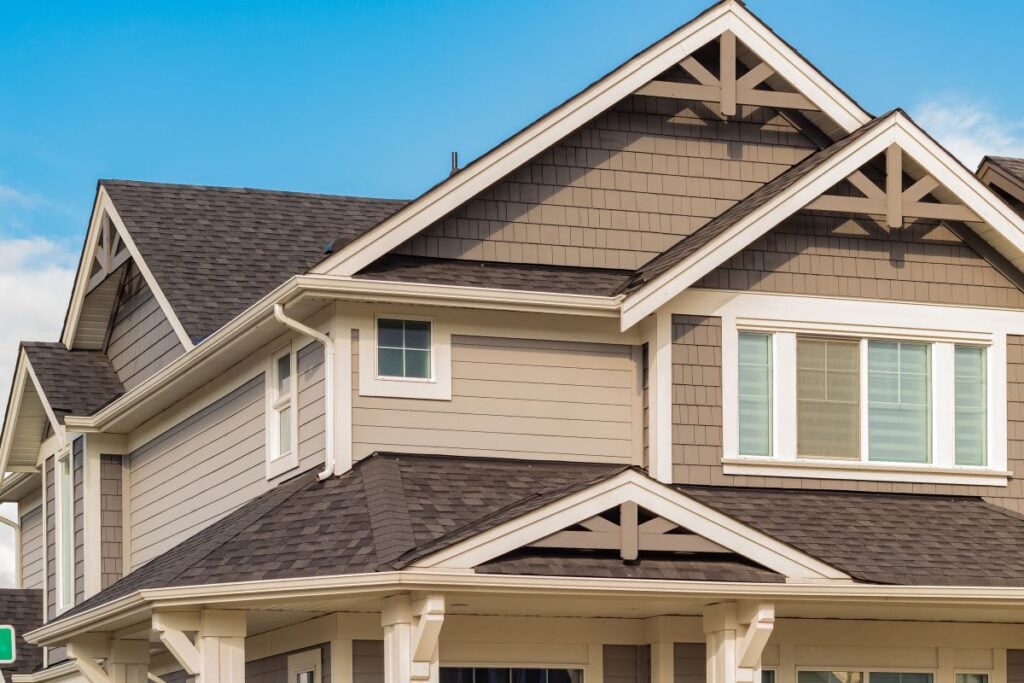
Before diving into the factors, it helps to understand the typical lifespan of common roofing materials. These ranges assume your roof was installed correctly and built on solid roof decks.
| Roofing Material | Average Lifespan |
| Asphalt shingles | 20 to 30 years |
| Architectural shingles | 25 to 35 years |
| Metal roofs | 40 to 70 years |
| Wood shakes | 20 to 40 years |
| Slate roofing | 50 to 100 years |
Even within these ranges, performance can vary depending on the conditions your roof faces over time and the quality of materials used, such as premium shingles.
7 Key Factors That Impact Roof Lifespan
Your roof’s lifespan is influenced by a combination of environmental and structural factors. Understanding these can help you prevent early wear and get the most out of your investment when planning a new roof.
1. Installation Quality
The way your roof is installed plays a major role in how long it will last. Even high-quality materials like asphalt shingles or premium shingles can fail early if they are not installed correctly by a qualified roofing professional.
- Proper alignment: Ensures shingles are sealed and secured correctly
- Flashing installation: Prevents water from entering vulnerable areas
- Workmanship standards: Skilled installation reduces early failure risks
2. Weather and Climate
Your local climate and overall weather conditions can significantly affect how quickly your roof wears down. Constant exposure to harsh elements adds stress over time and directly affects roof lifespan.
- Storm exposure: Wind and hail can damage shingles over time
- Temperature swings: Expansion and contraction weaken materials
- Moisture levels: Excess humidity can lead to deterioration
3. Ventilation and Insulation
Proper ventilation helps regulate temperature and moisture levels in your attic and protects your roof decks from internal damage. It also plays a role in improving energy efficiency by reducing heat buildup in your home.
- Airflow balance: Prevents heat and moisture buildup
- Moisture control: Reduces risk of mold and rot
- Temperature regulation: Helps shingles last longer
4. Maintenance and Repairs
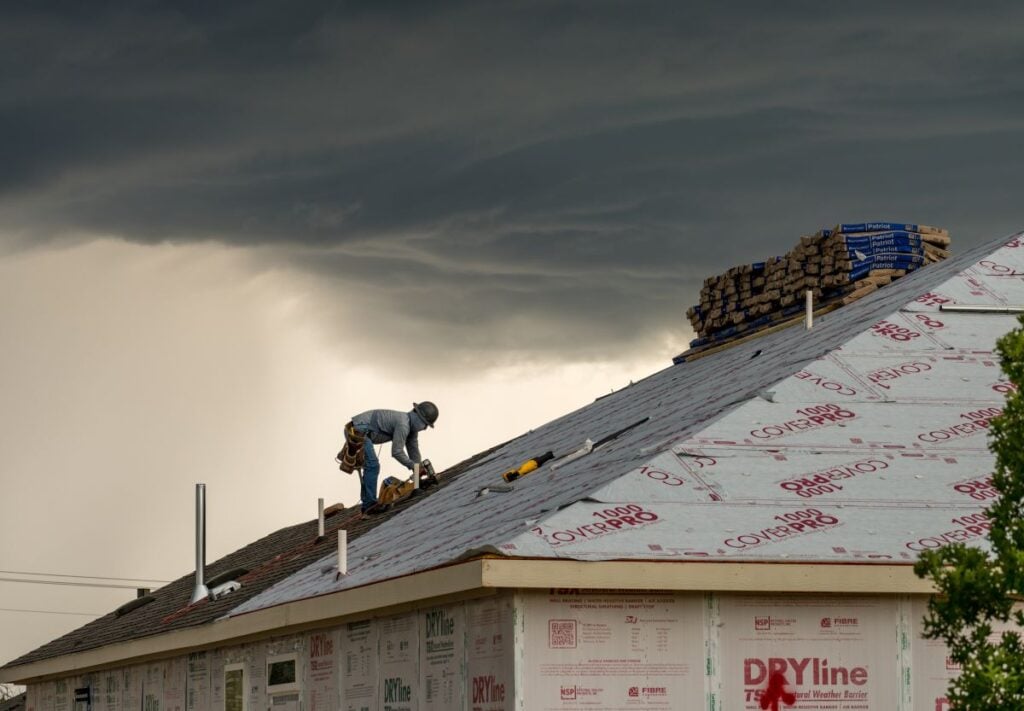
Routine maintenance is one of the easiest ways to extend the life of your roof. Small problems like missing shingles can quickly become major issues if they are not addressed early, often leading homeowners to replace your roof sooner than expected.
- Routine inspections: Catch issues before they worsen
- Timely repairs: Prevent minor damage from spreading
- Debris removal: Keeps water flowing properly
5. Material Quality
The type and quality of materials used will directly impact how long your roof lasts. Higher-quality products, including premium shingles, are built to handle wear and perform better over time compared to lower-grade asphalt shingles.
- Shingle grade: Higher grades offer better durability
- Underlayment quality: Adds an extra layer of protection
- Manufacturer standards: Trusted brands provide consistent performance
6. Roof Design and Slope
The shape and slope of your roof affect how water and debris move across its surface. Poor design can lead to pooling and faster deterioration, even on a new roof.
- Steeper slopes: Allow water to drain more efficiently
- Low-slope areas: Require specialized materials
- Drainage design: Prevents standing water issues
7. Sun and Environmental Exposure
Constant exposure to sunlight and surrounding elements can gradually wear down roofing materials. Over time, this can weaken your roof’s protective barrier and lead to earlier roof replacement.
- UV exposure: Breaks down materials over time
- Wind exposure: Can loosen or damage shingles
- Nearby trees: Debris and shade impact roof health
Signs Your Roof May Be Nearing the End
Knowing when your roof is reaching the end of its lifespan can help you avoid unexpected damage. These warning signs often appear gradually but should not be ignored before deciding to replace your roof.
- Missing shingles: Gaps leave your roof exposed to water damage
- Curling or cracking: Shingles breaking down from age or weather conditions
- Frequent leaks: Ongoing issues signal deeper problems
- Granule loss: Shingles losing protective coating
- Sagging areas: Structural concerns that need immediate attention
- Moss or algae growth: Trapped moisture causing deterioration
- Age of roof: Approaching or exceeding expected lifespan
How to Extend the Life of Your Roof
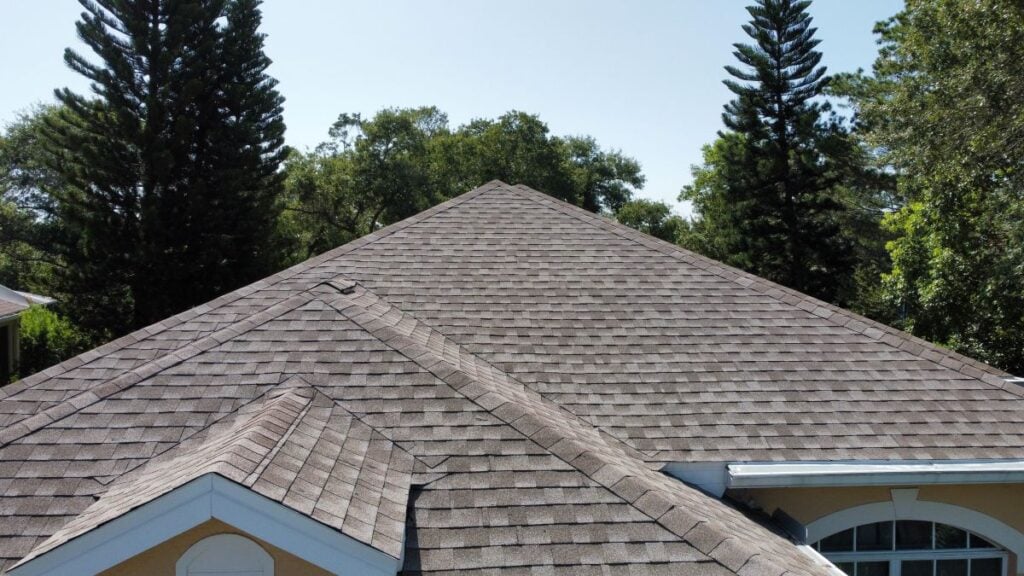
Taking care of your roof does not have to be complicated. A few simple steps can make a big difference in how long it lasts and delay the need for a new roof.
Schedule Regular Inspections
Routine inspections, including a professional inspection, help identify small problems before they turn into expensive repairs. Having your roof checked at least once a year ensures it continues to perform properly.
Keep Gutters Clean
Clogged gutters can cause water to back up onto your roof, leading to damage over time. Keeping them clear allows proper drainage and prevents unnecessary wear.
Address Repairs Quickly
Small issues can spread quickly if left untreated. Fixing damage early helps protect the rest of your roofing system and avoids larger problems.
Trim Nearby Trees
Overhanging branches can damage shingles and drop debris onto your roof. Keeping trees trimmed reduces impact and helps maintain roof integrity.
Community Pro Roofing: Helping You Get the Most Out of Your Roof
Understanding how long a roof lasts is the first step in protecting your home and planning ahead. At Community Pro Roofing, we help homeowners assess their roof’s condition and make informed decisions about repairs or replacement. Whether you need an inspection, guidance on asphalt shingle roofs, or support planning a roof replacement, our team is here to provide reliable solutions built to last.
We focus on delivering honest recommendations and quality workmanship so you can feel confident in every decision you make about your home. From identifying early warning signs like missing shingles to helping you replace your roof with a system installed correctly by a trusted roofing professional, our goal is to make the process clear, straightforward, and centered around long-term value.
