 (412) 667-2539
  (412) 667-2539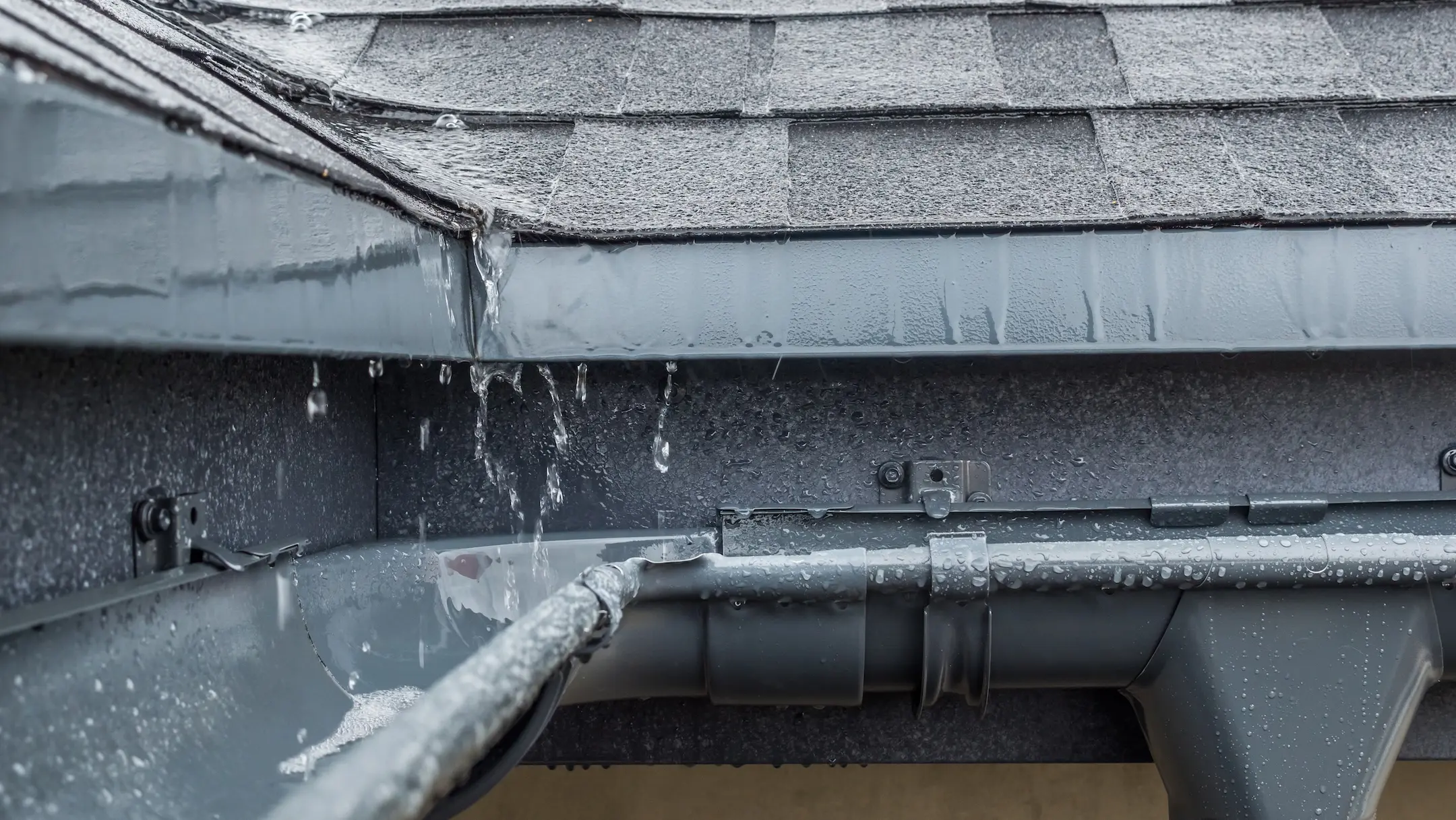
Water Going Behind Gutter: 6 Causes and How to Fix It

06.19.26

7 Minute Read
Water going behind gutter systems is a common problem that can lead to fascia damage, wood rot, mold growth, and even foundation issues if left untreated. While gutters are designed to direct rainwater safely away from your home, several roofing and drainage problems can cause water to flow behind them instead.
Understanding why water is bypassing your gutters can help you identify the right solution before minor issues turn into expensive repairs. In many cases, addressing the problem early can help protect both your roof and the exterior of your home. If drainage problems are becoming a recurring issue, professional gutter services can help identify the root cause and restore proper water flow.
- Common causes: Damaged drip edge, clogged gutters, and improper installation
- Potential damage: Rotting fascia, water damage, and mold growth
- Most vulnerable areas: Roof edges, fascia boards, and soffits
- Best solution: Identify and correct the source of the drainage issue
Why Water Goes Behind Gutters
When gutters function properly, rainwater flows from the roof into the gutter trough and through the downspout system. However, if water slips behind the gutter instead, it can collect against the fascia board and eventually enter vulnerable areas of the home.
Several issues can contribute to this problem, including damaged roofing materials, clogged gutters, and installation mistakes. Determining the exact cause is the first step toward preventing long-term water damage to your house.
6 Causes of Water Going Behind Gutters
Several roofing and gutter problems can cause water to bypass the gutter system instead of flowing through it properly.
1. Missing or Improper Drip Edge
A drip edge is designed to guide rainwater from the roof into the gutter. When it is missing, damaged, or improperly installed, water may run behind the gutter instead.
- Water follows the fascia: Instead of entering the gutter
- Common on older homes: Some roofs were installed without drip edge flashing
- Can cause wood rot: Continuous moisture exposure damages fascia boards
A properly installed drip edge helps direct water where it belongs and protects the roof edge from moisture intrusion.
2. Clogged Gutters
Leaves, twigs, pine needles, and other debris can prevent water from flowing through the gutter system.
- Overflow occurs: Water spills over or behind the gutter
- Downspouts become blocked: Restricting proper drainage
- Increased moisture exposure: Around fascia and soffit areas
Regular cleaning helps prevent clogged gutters and protects the entire gutter system from unnecessary strain.
3. Improper Gutter Pitch
Gutters must be slightly angled toward the downspouts to allow water to flow properly. Even a minor slope issue can affect drainage performance.
- Standing water develops: When gutters are level or sagging
- Drainage slows: During heavy rain events
- Overflow risk increases: Especially near low spots
Proper pitch helps move water efficiently away from the home.
4. Damaged Fascia Boards
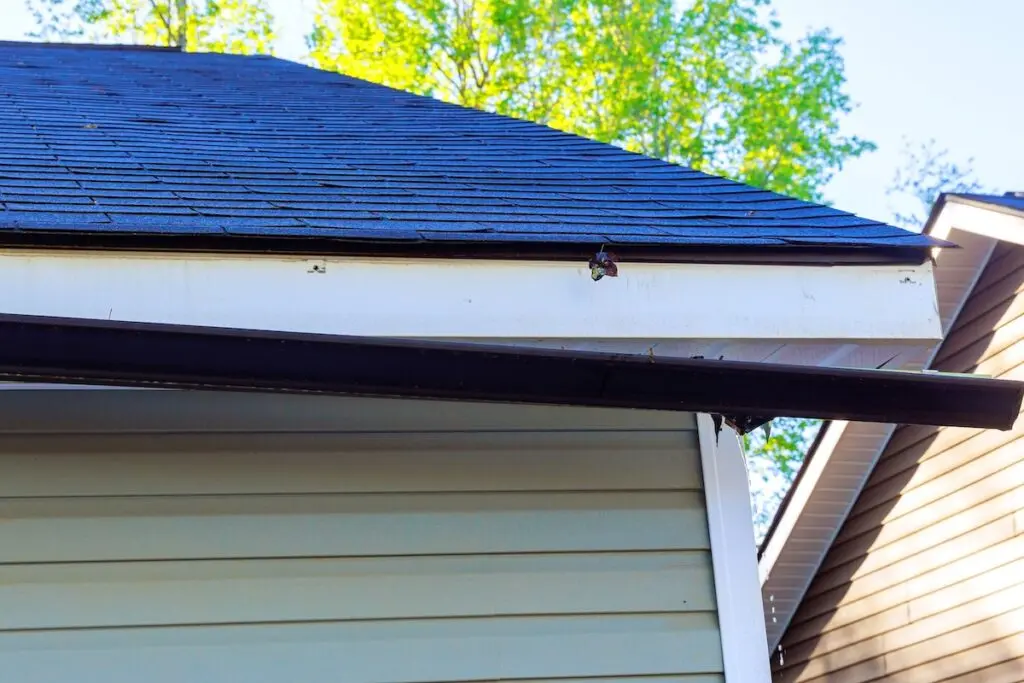
Rotting or deteriorated fascia boards can create gaps between the roof edge and gutter system. These gaps allow water to reach areas that should remain dry.
- Water bypasses the gutter: Through openings behind the system
- Structural issues develop: As wood deterioration worsens
- Installation problems occur: Gutters may begin pulling away from the home
Damaged fascia should be repaired before installing new gutters or gutter guards.
5. Loose or Sagging Gutters
Over time, gutters may begin to separate from the fascia due to age, weather exposure, or damaged fasteners.
- Gaps form behind gutters: Allowing water to enter
- Drainage efficiency decreases: As alignment changes
- Overflow becomes more likely: During storms
Loose gutters should be secured before additional water damage occurs.
6. Roof Valley Drainage Issues
Roof valleys collect large volumes of rainwater and direct it toward specific sections of the gutter system. If drainage is inadequate, these areas can become overwhelmed.
- Concentrated water flow: Can overwhelm certain gutter sections
- Overflow develops quickly: During heavy rainfall
- Localized damage occurs: Near valley discharge points
Valley flashing and proper gutter design are important for managing runoff in these high-flow areas.
Signs Water Is Going Behind Your Gutters
Water intrusion behind gutters often creates visible warning signs around the exterior of the home. Catching these issues early can help prevent costly repairs. According to the Insurance Information Institute, water damage is one of the most common and costly disasters affecting U.S. residences, accounting for billions of dollars in losses annually — and many of those losses trace back to preventable drainage failures like water bypassing gutters and collecting against fascia boards and foundations.
- Peeling paint on fascia boards
- Water stains beneath gutters
- Rotting wood along roof edges
- Mold or mildew growth
- Sagging gutters
- Water pooling near the foundation
- Damaged soffits
If you notice any of these signs, it may be time for a professional inspection.
How to Fix Water Going Behind Gutters
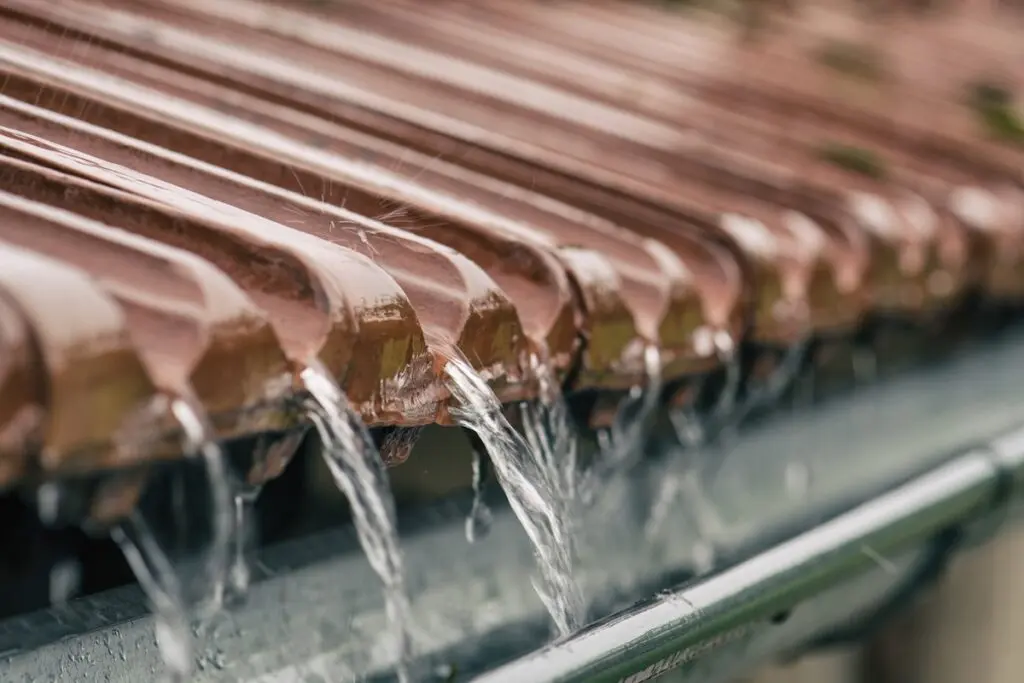
The right repair depends on the underlying cause of the problem. Addressing the source helps prevent recurring drainage issues and future water damage.
Install or Repair Drip Edge Flashing
Drip edge flashing helps direct water from the roof into the gutter system. Replacing damaged or missing sections often resolves drainage issues near the roof edge.
Clean Gutters and Downspouts
Removing debris allows water to flow properly through the gutters and reduces overflow during storms.
Adjust Gutter Pitch
Correcting the gutter slope improves drainage and helps prevent standing water.
Replace Damaged Fascia
Rotting fascia boards should be repaired before they compromise gutter attachment points.
Secure Loose Gutters
Replacing damaged fasteners or hangers can help restore proper gutter alignment and improve performance.
Improve Valley Drainage
Additional splash guards or gutter modifications may be necessary where roof valleys discharge large amounts of water.
Preventing Future Gutter Drainage Problems
Routine maintenance can help reduce the risk of water bypassing the gutter system. Small preventative steps often help avoid much larger repair costs later.
| Maintenance Task | Benefit |
| Clean gutters regularly | Prevents clogs and overflow |
| Inspect drip edge flashing | Helps direct water properly |
| Check gutter pitch | Improves drainage performance |
| Repair fascia damage | Prevents moisture intrusion |
| Inspect after storms | Identifies issues early |
Taking a proactive approach can help extend the lifespan of both your gutters and roofing system.
Frequently Asked Questions About Water Going Behind Gutters
Homeowners often notice water stains, overflow, or wood rot before realizing water is bypassing their gutters. Understanding the causes can help you determine the best repair solution.
Why is water running behind my gutters instead of inside them?
The most common causes include missing drip edge flashing, clogged gutters, improper gutter pitch, or gaps caused by damaged fascia boards.
Can water behind gutters cause roof damage?
Yes. Water that repeatedly runs behind gutters can damage fascia boards, soffits, roof decking, and other structural components over time.
Do clogged gutters cause water to go behind them?
Absolutely. When gutters fill with debris, water can overflow and back up behind the gutter system instead of flowing through the downspouts.
Will gutter guards stop water from going behind gutters?
Gutter guards can help reduce clogs, but they will not solve issues caused by improper installation, damaged fascia, or missing drip edge flashing.
When should I call a professional?
If you notice recurring overflow, rotting wood, sagging gutters, or visible water damage, a professional inspection can help identify the root cause.
Community Pro Roofing: Solutions for Gutter and Roof Drainage Problems
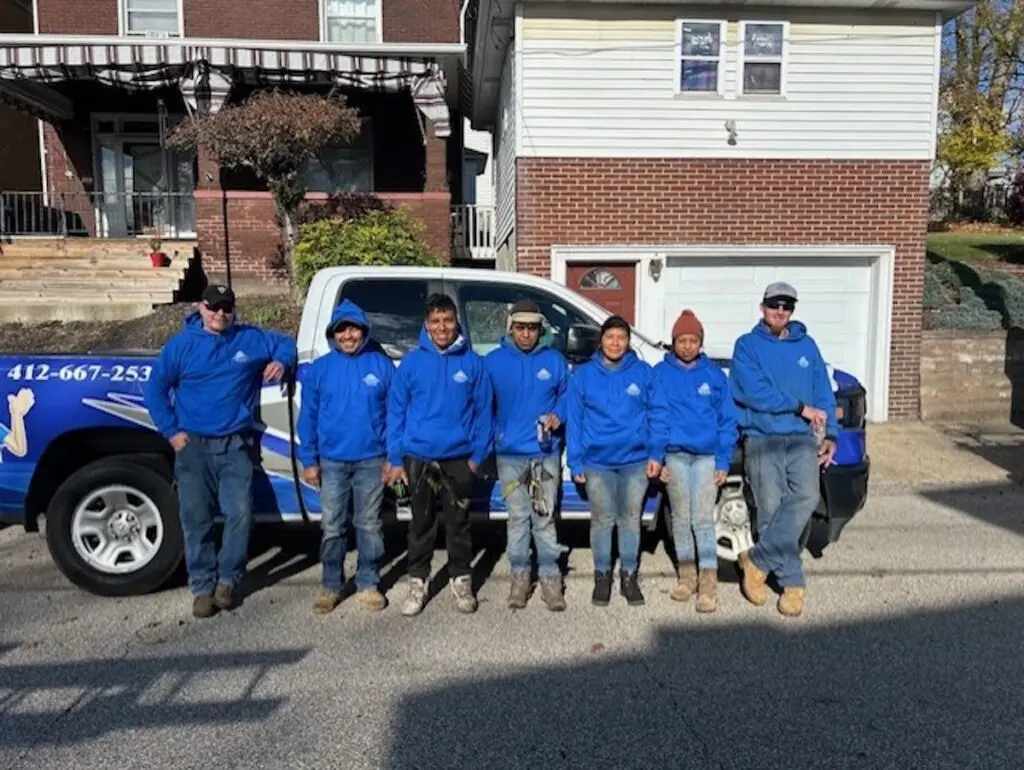
Water going behind gutters is more than a nuisance—it can lead to costly damage if ignored. At Community Pro Roofing, we help homeowners identify drainage problems, repair damaged components, and improve overall gutter performance.
Whether you need gutter repairs, fascia replacement, or a complete drainage system evaluation, our team is here to help. Reach out to our team for a gutter inspection to find the source of your drainage problems and protect your home from future water damage.