
 (412) 667-2539
  (412) 667-2539
Roof Insurance Claim: 9 Steps to File and Avoid Mistakes

06.26.26

6 Minute Read
A roof insurance claim can help homeowners recover from storm damage, hail impacts, fallen trees, and other unexpected events. However, filing a claim incorrectly or waiting too long can lead to delays, denied coverage, or out-of-pocket expenses that could have been avoided.
Understanding the claims process before damage occurs can make a significant difference when it’s time to work with your insurance company. Knowing the right steps to take can help protect your property, strengthen your claim, and improve your chances of receiving fair compensation. If your roof has been damaged by severe weather, a professional storm damage roof inspection can help document issues before filing a claim.
- Most common claims: Hail damage, wind damage, and fallen debris
- Important first step: Document all visible damage
- Common mistake: Waiting too long to report the damage
- Goal: Maximize coverage while avoiding claim delays
What Is a Roof Insurance Claim?
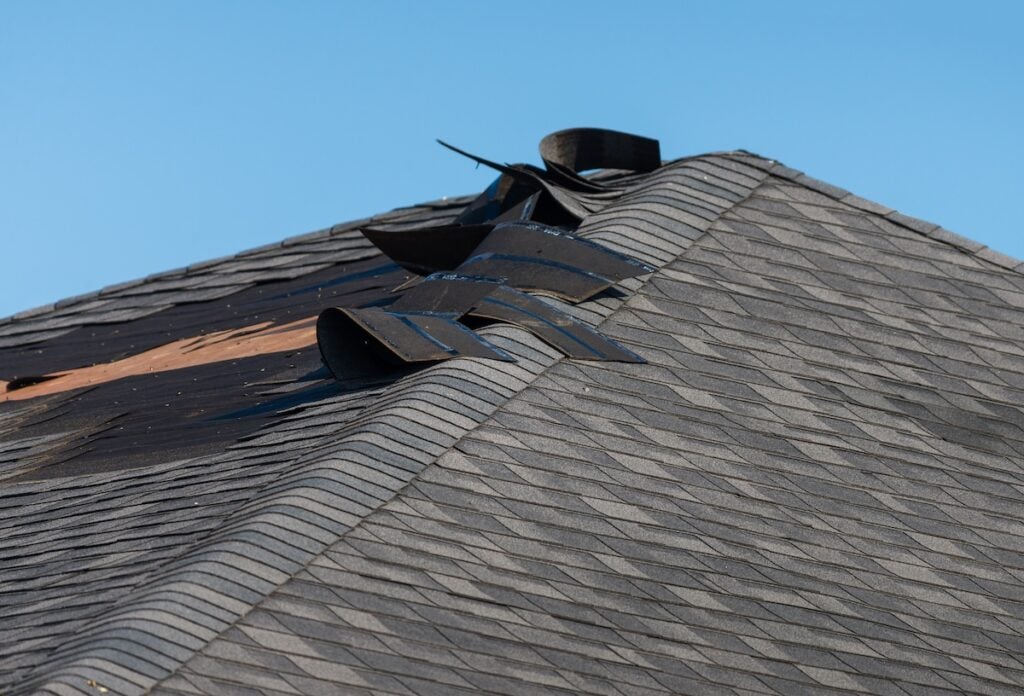
A roof insurance claim is a request submitted to your homeowners insurance company for coverage related to roof damage caused by a covered event. Depending on your policy, insurance may help pay for repairs or even a full roof replacement.
Most policies cover sudden and accidental damage caused by storms, hail, wind, fire, or falling objects. However, normal wear and tear, neglect, and aging roofs are generally not covered.
Understanding what your policy includes before filing a claim can help set realistic expectations and prevent surprises during the process.
9 Steps to File a Roof Insurance Claim
Following the proper process can help homeowners avoid mistakes and improve the likelihood of a successful claim.
1. Prioritize Safety After the Damage
Before inspecting your property, make sure conditions are safe. Severe weather may leave behind hazards such as loose roofing materials, downed power lines, or structural instability.
- Avoid climbing on the roof
- Watch for exposed electrical hazards
- Keep family members away from damaged areas
Safety should always come first.
2. Document the Damage Immediately
Thorough documentation helps support your claim and provides evidence of the damage.
- Take photos from multiple angles
- Capture damage to the roof and exterior
- Document interior water damage if present
The more information you collect, the stronger your claim may be.
3. Review Your Insurance Policy
Before contacting your insurance company, review your policy details.
- Check coverage limits
- Review deductible amounts
- Understand claim deadlines
Knowing your policy can help you navigate the process more confidently.
4. Schedule a Professional Roof Inspection
A professional inspection can identify damage that may not be visible from the ground.
- Document hidden roof damage
- Provide detailed inspection findings
- Help support claim documentation
Professional assessments often provide valuable information during the claims process.
5. Contact Your Insurance Company
Notify your insurance provider as soon as possible after discovering the damage.
- Report the incident promptly
- Provide basic damage details
- Follow all claim instructions
Delays can sometimes complicate the approval process.
6. Meet With the Insurance Adjuster
Most insurance companies will send an adjuster to inspect the property and evaluate the damage.
- Share inspection findings
- Provide photos and documentation
- Ask questions about the process
Being prepared can help ensure nothing important is overlooked.
7. Review the Insurance Estimate
Once the adjuster completes their inspection, the insurance company will provide an estimate.
- Compare findings carefully
- Review covered repairs
- Understand any exclusions
If discrepancies exist, additional documentation may be necessary.
8. Complete Necessary Repairs
After approval, work can begin on repairing or replacing damaged roofing materials.
- Address leaks quickly
- Prevent additional damage
- Keep records of completed work
Prompt repairs help protect the home from further issues.
9. Save All Claim Documentation
Maintain organized records throughout the process.
- Keep inspection reports
- Save repair invoices
- Store insurance correspondence
Good recordkeeping can be valuable if questions arise later.
Common Roof Insurance Claim Mistakes to Avoid
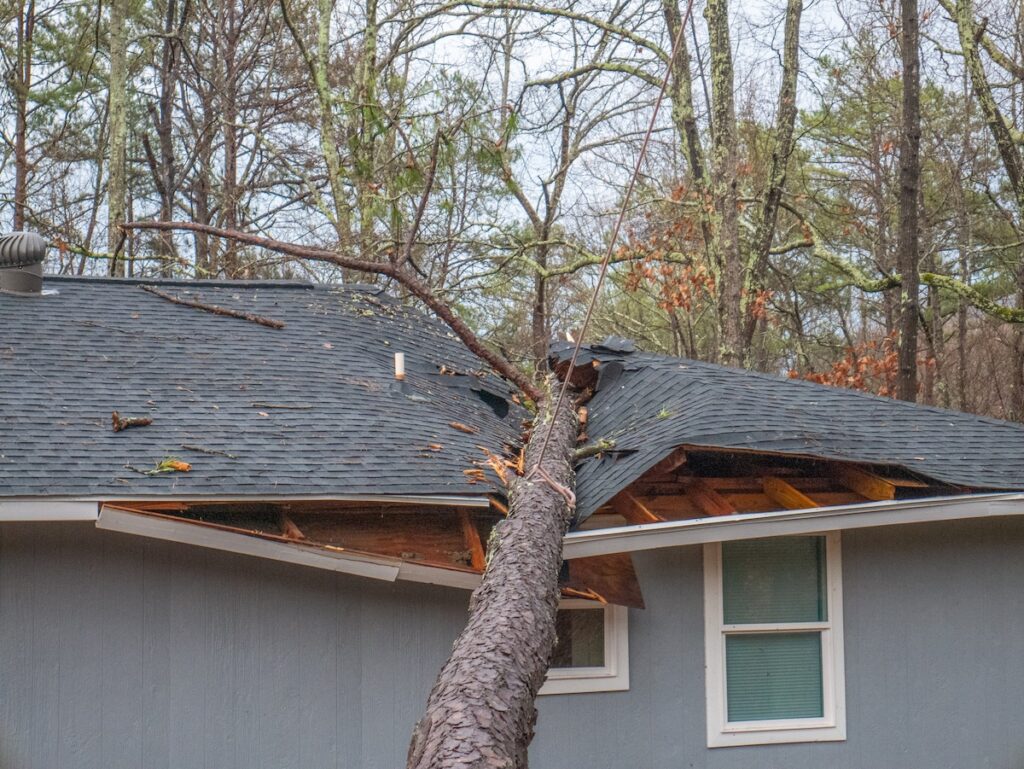
Many claim issues can be prevented by avoiding a few common mistakes. Taking the right steps early often improves the outcome. According to the Insurance Information Institute, about one in 36 insured homes has a property damage claim related to wind or hail each year — making wind and hail the most common triggers for roof insurance claims, and prompt documentation the most important step homeowners can take to avoid delays or denials.
- Waiting too long to file a claim
- Failing to document damage thoroughly
- Making permanent repairs before inspection
- Ignoring policy deadlines
- Throwing away damaged materials too soon
- Assuming all roof damage is covered
- Not obtaining a professional inspection
Avoiding these mistakes can help streamline the claims process.
What Types of Roof Damage Are Usually Covered?
Coverage varies by policy, but many homeowners insurance plans cover sudden and accidental damage caused by specific events.
| Commonly Covered | Often Not Covered |
| Hail damage | Normal wear and tear |
| Wind damage | Lack of maintenance |
| Fallen tree damage | Aging roofing materials |
| Fire damage | Pre-existing issues |
| Storm-related damage | Gradual deterioration |
Always review your specific policy for exact coverage details.
How Long Does a Roof Insurance Claim Take?
The timeline for a roof insurance claim can vary depending on the severity of the damage, insurance company requirements, and repair scheduling.
Simple claims may be resolved within a few weeks, while larger claims involving significant storm damage may take several months. Prompt documentation, timely communication, and professional inspections often help move the process along more efficiently.
Frequently Asked Questions About Roof Insurance Claims
Homeowners often have questions about filing claims, dealing with adjusters, and understanding insurance coverage. Knowing what to expect can help reduce stress during the process.
Will insurance pay for a full roof replacement?
It depends on the extent of the damage, your policy coverage, roof age, and the insurance company’s findings. Severe storm damage may qualify for replacement rather than repair.
How soon should I file a roof insurance claim?
You should contact your insurance company as soon as possible after discovering damage. Waiting too long may complicate the claims process.
Can I choose my own roofing contractor?
Yes. Homeowners are generally allowed to choose their preferred roofing contractor rather than using one recommended by the insurance company.
What if the insurance adjuster misses damage?
A professional roof inspection can provide additional documentation if damage was overlooked. Supplemental information may be submitted for review.
Does filing a roof insurance claim increase premiums?
Insurance rates are influenced by many factors, including regional claim activity and policy history. The impact varies depending on the insurer and circumstances.
Community Pro Roofing: Help With Your Roof Insurance Claim

Navigating a roof insurance claim can feel overwhelming, especially after severe weather has damaged your home. At Community Pro Roofing, we help homeowners document roof damage, understand repair needs, and move through the claims process with confidence.
Whether you need a professional inspection, storm damage assessment, or roof replacement, our team is here to help. Contact our team to schedule a roof inspection and get the information you need before filing your claim.
