
 (412) 667-2539
  (412) 667-2539
Roof Vent Repair: 7 Common Issues and Fix Options

07.22.26

8 Minute Read
Your roof does more than keep rain out. The vents tucked along your ridge, in your soffits, and poking up through the shingles quietly move air through your attic all year long, and when they stop working, the problems can pile up fast. Roof vent repair is one of those maintenance tasks that homeowners tend to overlook until a water stain shows up on the ceiling or the summer electric bill spikes. If you have noticed musty smells, uneven attic temperatures, or a whistling sound on windy days, your ventilation system may be trying to tell you something. Understanding how attic ventilation and roof repair work together helps you catch small issues before they turn into costly ones.
Here is what this guide covers:
- The most common roof vent problems homeowners run into
- How to tell whether you need a repair or a full replacement
- A quick comparison of the main vent types and their repair costs
- Simple maintenance habits that extend the life of your vents
- Answers to the questions homeowners in Lower Burrell ask most
Why Roof Ventilation Matters More Than You Think
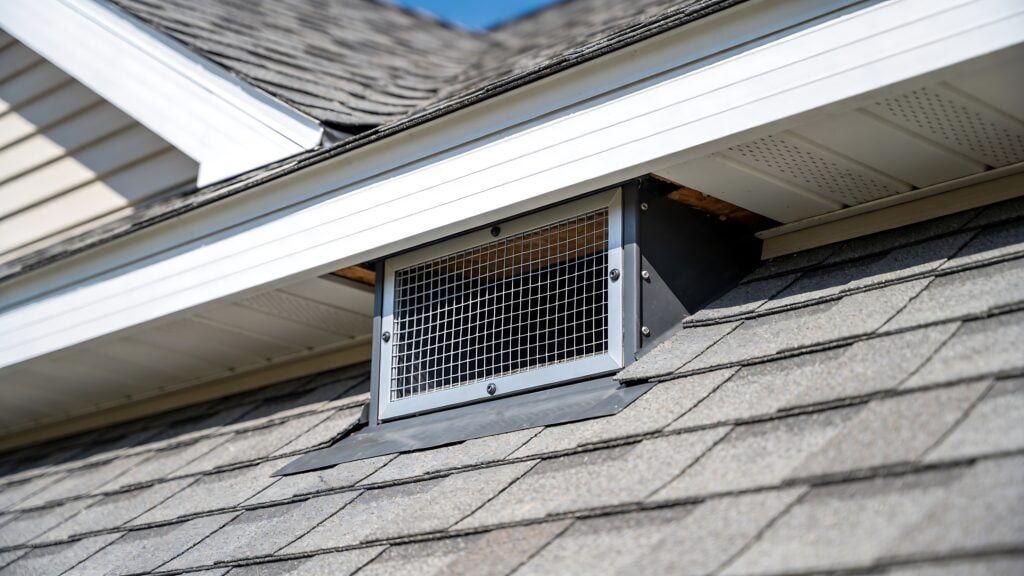
A balanced ventilation system pulls cool, dry air in through the soffits and pushes hot, moist air out through the ridge or upper vents. This constant airflow protects your shingles, your insulation, and the wood framing and roof deck underneath. When that balance breaks down, heat and humidity get trapped, and the damage often starts long before you can see it from the ground.
Western Pennsylvania weather makes this especially important. Hot, humid summers push attic temperatures well past comfortable levels, while cold winters create the freeze and thaw cycles that lead to ice dams. Proper venting helps on both ends of the calendar.
The Real Cost of Ignoring Vent Problems
When ventilation fails, the effects reach far beyond the attic. Trapped heat forces your air conditioner to work harder, driving up energy costs during the warmer months. Trapped moisture is even more destructive, seeping into insulation and wood over time. According to the National Roofing Contractors Association, proper attic ventilation is sometimes a warranty requirement for asphalt shingle products, which means neglecting your vents could void the coverage protecting your entire roof. Left unchecked, poor ventilation invites mold growth, rotted decking, and premature shingle failure that shortens the life of your roof by years.
7 Common Roof Vent Issues and How to Fix Them
Not every vent problem looks the same, and the right fix depends on what is actually going wrong. Below are the issues our team sees most often, along with the repair approach that typically solves each one. Some are quick fixes, while others point toward a larger ventilation upgrade.
- Cracked or dry-rotted vent boots: The rubber boot sealing a vent pipe hardens and splits with age, opening a direct path for water. A cracked or dry-rotted boot needs full replacement, not patching, to prevent leaks.
- Failed flashing or sealant: The seal where a vent meets the shingles breaks down over time, and failed sealant around a vent can lead to water damage and leaks inside your home. Resealing or reflashing restores a watertight connection.
- Cracked or damaged vent housing: Plastic vents grow brittle with sun exposure and can crack, letting water seep in. Replacing the housing is usually a straightforward, affordable repair.
- Blocked soffit vents: Insulation, dust, or bird nests often clog intake vents, choking off airflow at the source. Clearing the blockage and adding baffles keeps air moving freely.
- Bent or crushed vents: Fallen branches, foot traffic, or heavy snow loads can flatten a vent and cut off its airflow. Damaged units generally need full replacement rather than patching.
- Pest intrusion: Birds, squirrels, and insects love the warm, sheltered opening a vent provides. Repairing the vent and installing guards keeps critters out for good.
- Rusted or corroded metal vents: Older metal vents corrode, weaken, and eventually leak. Swapping them for modern, corrosion-resistant models is the lasting solution.
Repair or Replace? Comparing Your Vent Options
Choosing between a repair and a replacement comes down to the type of vent you have, its age, and the extent of the damage. A single cracked vent is rarely a reason to redo your whole system, but recurring leaks or an outdated design might be. The table below gives you a general sense of what to expect with the most common vent types.
| Vent Type | Typical Repair Cost | Common Issues | Best Fix Approach |
| Box (static) vents | $75 to $250 | Cracking, flashing leaks | Reseal or replace unit |
| Ridge vents | $150 to $500 | Sealant failure, storm damage | Reseal or re-secure section |
| Soffit vents | $100 to $350 | Clogging, paint blockage | Clear and add baffles |
| Vent pipe boots | $75 to $300 | Dry rot, cracking | Replace the boot |
| Powered vents | $200 to $600 | Motor failure, wiring | Replace motor or unit |
Keep in mind these are ballpark figures. Roof pitch, accessibility, and how many vents need attention all affect the final price for any given home.
When Replacement Makes More Sense
If your vents are more than 15 to 20 years old, repairing one unit while the others are near the end of their life often means you will be back on the roof again soon. In cases where the ventilation was poorly designed from the start, a full upgrade delivers better airflow and long-term savings than a patchwork of repairs. We’re proud to serve home and business owners in Lower Burrell, PA, and nearby communities with expert roof vent repair and replacement services.
How to Keep Your Roof Vents in Good Shape
A little routine attention goes a long way toward avoiding emergency repairs. Most vent problems develop slowly, which means regular checks give you the chance to catch them early. Annual maintenance of your roof vents helps prevent future issues, and these habits help homeowners across the Lower Burrell area protect their ventilation systems year-round.
- Schedule seasonal inspections: Have your roof and vents checked in spring and fall to spot damage before it worsens.
- Inspect for visible wear: Look over your vents for cracks, rust, or damage as part of your regular maintenance routine.
- Keep gutters clear: Overflowing gutters push water toward vents and flashing, accelerating wear.
- Watch your attic: Rising temperatures, damp insulation, or musty odors are early warning signs of a ventilation issue.
- Trim nearby branches: Removing overhanging limbs reduces the risk of impact damage during storms.
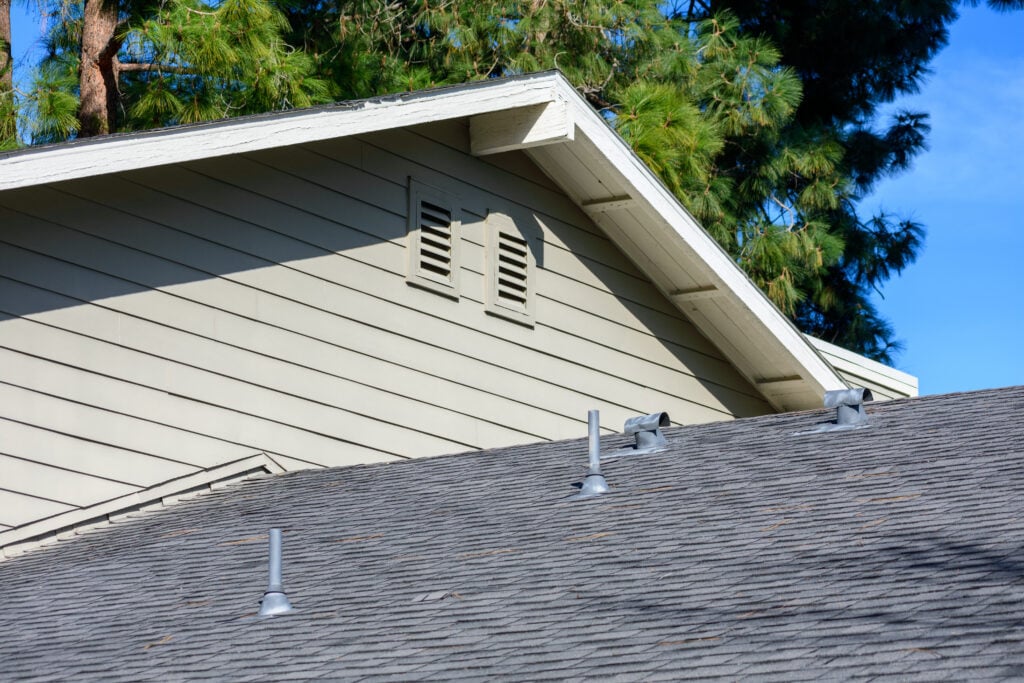
Frequently Asked Questions About Roof Vent Repair
Roof ventilation raises a lot of questions, especially for homeowners who have never had to think about it before. Below are the answers we hear asked most often, covering everything from cost to timing. If your question is not here, our team is always happy to walk you through it.
How do I know if my roof vent is leaking?
Common signs include water stains on your ceiling near the vent location, damp or discolored insulation in the attic, and visible rust or cracking around the vent itself. You might also notice a musty smell that lingers even after cleaning. Because vent leaks often start small, a professional inspection is the most reliable way to confirm the source before it spreads.
Can I repair a roof vent myself?
Working on a roof can be dangerous and often requires proper safety precautions, ladders, and equipment that most homeowners do not have on hand. Clearing a blocked soffit vent from inside the attic is sometimes manageable, but anything involving walking on the roof or matching flashing is best left to a professional. Hiring an expert protects both your safety and your roof warranty.
How long does a roof vent repair take?
Most single-vent repairs are completed in a few hours, depending on the vent type and roof access. Larger jobs that involve replacing multiple vents or rebalancing an entire ventilation system may take most of a day. Your contractor should give you a clear timeline after inspecting the specific issue.
Does hiring a specialized roofing contractor make a difference?
It often does. Specialized roofing contractors bring the right materials, equipment, and experience to diagnose ventilation problems correctly the first time, which tends to mean better quality work and longer-lasting results. A general handyman may treat the symptom, while a roofing specialist addresses the underlying airflow issue.
How often should roof vents be inspected?
A twice-yearly check, ideally in spring and fall, is a solid rule of thumb for most homes. Homeowners in areas with heavy storms or lots of tree cover may benefit from an extra look after severe weather. Regular inspections catch small problems while they are still inexpensive to fix.
Breathe Easy with Community Pro Roofing
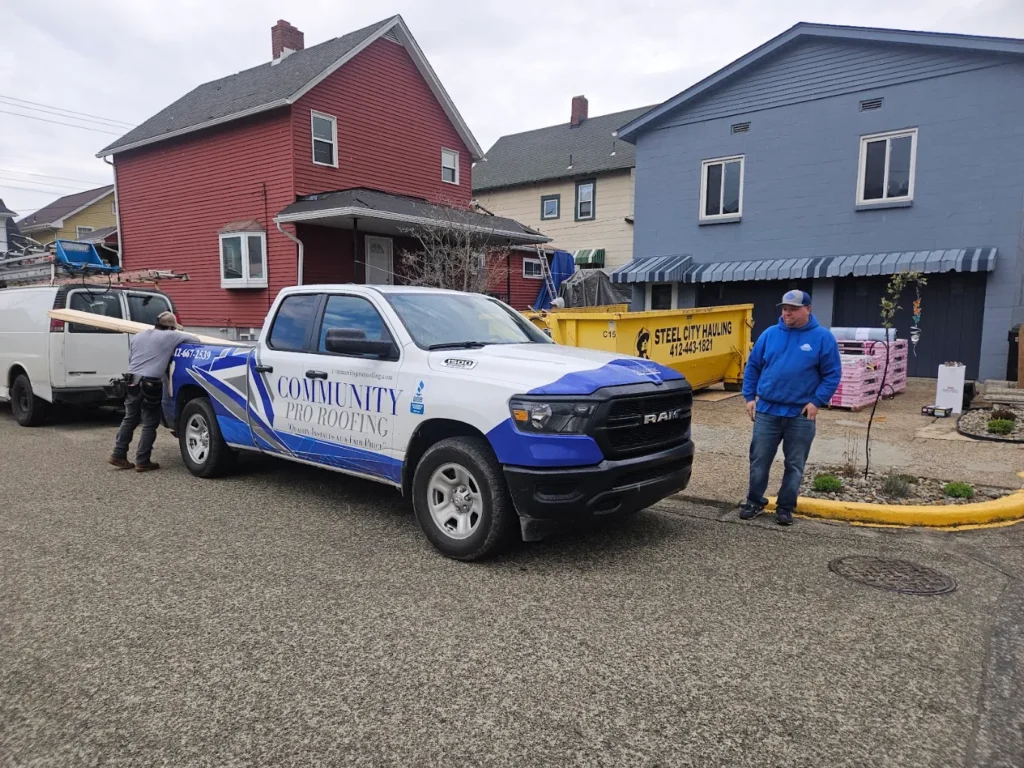
Your roof works hardest when you notice it least, and healthy ventilation is a big part of that quiet reliability. At Community Pro Roofing, we bring the same detailed, neighborly approach to a single vent repair that we bring to a full roof replacement, backed by hundreds of authentic five-star reviews from homeowners just like you. When your vents are working right, your whole roof lasts longer and your home stays more comfortable through every season. If you have spotted a warning sign or simply want peace of mind, request your free inspection and let our team keep your roof breathing easy for years to come.
