
 (412) 667-2539
  (412) 667-2539
Impact Resistant Shingles: 4 Benefits and When to Upgrade

07.29.26

9 Minute Read
Your roof is the first thing standing between your home and whatever the sky throws at it, yet most homeowners never think about how well their shingles would hold up in a serious storm until the damage is already done. Impact resistant shingles are engineered to change that, offering a tougher, longer-lasting layer of protection against hail, high winds, and flying debris. If you have ever wondered whether your current roof could survive a bad hailstorm, or whether upgrading is worth the cost, this guide walks you through exactly how these shingles work and when the investment makes sense. Understanding your options here is a smart first step toward a more resilient roof replacement.
Here is what this guide covers:
- What impact resistant shingles are and how they are rated
- The main types and how each one absorbs impact
- Four key benefits for homeowners
- The potential drawbacks worth weighing
- Answers to the questions homeowners in Tarentum ask most
What Are Impact Resistant Shingles?
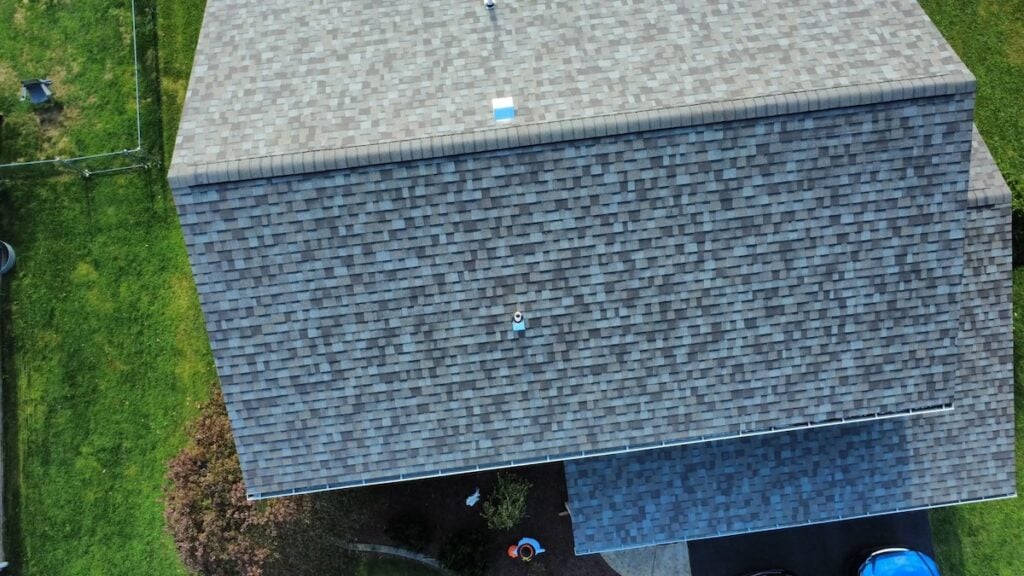
Impact resistant shingles are built to handle extreme weather conditions that would crack or shatter traditional asphalt shingles. They combine a reinforced fiberglass core with asphalt and rubberizing polymers for enhanced durability, giving them the flexibility to absorb a blow and bounce back instead of breaking. The result is a roofing system designed to resist the cracking, splitting, and granule loss that lead to leaks down the road.
Most of these products carry a class 4 impact resistant rating, the highest tier under the industry’s standard. For homeowners in western Pennsylvania, where Tarentum sees its share of summer hail, gusty storms, and falling branches, that extra durability translates directly into fewer repairs and greater peace of mind.
How the Class 4 Rating Works
The rating you see on impact resistant shingles comes from a specific, repeatable test. Under the UL 2218 standard, a two-inch steel ball is dropped from 20 feet onto the shingle to simulate the force of large hail, and the material must show no cracking to earn the top mark. Ratings run from Class 1 through Class 4, with each level using a larger ball dropped from a greater height. Class 4 uses the biggest ball and the tallest drop, which is why it represents the strongest defense available and the rating most insurers look for when offering discounts.
Types of Impact Resistant Shingles and How They Work
Not every impact resistant shingle is built the same way, and the right choice depends on your budget, your home’s style, and how severe your local weather tends to be. The two most common types each take a different approach to absorbing impact, but both are engineered to meet that same Class 4 benchmark.
Rubber-Modified Asphalt Shingles
Rubber-modified asphalt shingles reinforce a standard asphalt shingle with rubber-like polymers, giving them the flexibility to compress and rebound when struck by hail or debris. That give-and-take is what keeps them from cracking under a hard hit, and it is the same principle that lets them hold up season after season in storm-prone areas.
Beyond their toughness, these shingles are lightweight, relatively easy to install, and often backed by strong manufacturer warranties. They cost a bit more than traditional asphalt shingles, but the reduction in repair bills over their lifespan tends to make up the difference for homeowners who deal with frequent storms.
Metal-Coated Shingles
Metal-coated shingles use a layer of metal to deflect impact rather than absorb it, forming a hard protective shield that shrugs off hail and airborne debris. This construction makes them a strong fit for homes in regions that see especially severe weather.
The metal layer brings extra perks too. These shingles resist heavy rain and high winds, are far less prone to mold or rot than traditional materials, and often carry fire-resistant properties. They come in a range of styles and colors as well, so you do not have to trade curb appeal for durability. The upfront cost runs higher, but low maintenance and long life help balance the ledger over time.
4 Key Benefits of Impact Resistant Shingles
Upgrading your roof is a big decision, so it helps to know exactly what you are getting. Here are the four benefits homeowners value most when they make the switch to an impact resistant roof.
- Withstands harsh weather: Built to take on gale-force winds, hail, and flying debris, these shingles resist the kind of damage that ruins standard roofing, so you can weather storm season with confidence.
- Lower maintenance costs: By absorbing and deflecting impact, they cut down on the frequent touch-ups and repair calls that follow most big storms, saving you money over the life of the roof.
- Longer lifespan and better value: Properly installed, many impact resistant shingles last 30 years or more, well beyond standard materials, which stretches your roofing budget further and delays the need for replacement.
- Potential insurance savings: Because they lower the risk of costly hail claims, many insurance companies offer discounts for a documented Class 4 roof, turning a one-time upgrade into recurring savings.
Comparing Impact Resistant Shingles to Standard Shingles
Before committing, it helps to see how impact resistant shingles stack up against the traditional asphalt shingles most homes already have. The table below lays out the key differences so you can weigh the trade-offs at a glance.
| Feature | Standard Asphalt | Impact Resistant (Class 4) |
| Impact rating | Class 1 to 2 | Class 4 (highest) |
| Typical lifespan | 15 to 20 years | 30 years or more |
| Hail resistance | Limited | Withstands 2-inch steel ball test |
| Insurance discount | Rarely | Often eligible |
| Upfront cost | Lower | Higher |
| Long-term repairs | More frequent | Minimal |
Keep in mind these are general comparisons. Your roof’s size, pitch, and the specific product you choose all affect both performance and price for any given home.
Weighing the Drawbacks
No roofing material is perfect, and impact resistant shingles come with a few trade-offs worth considering. They cost more upfront than standard options, and they perform best when installed correctly by a professional, which adds to labor costs. It is also important to remember that no shingle is indestructible, so exceptionally large or sharp debris can still cause damage. We’re proud to serve home and business owners in Tarentum, PA, and nearby communities with expert roofing installation and storm protection.
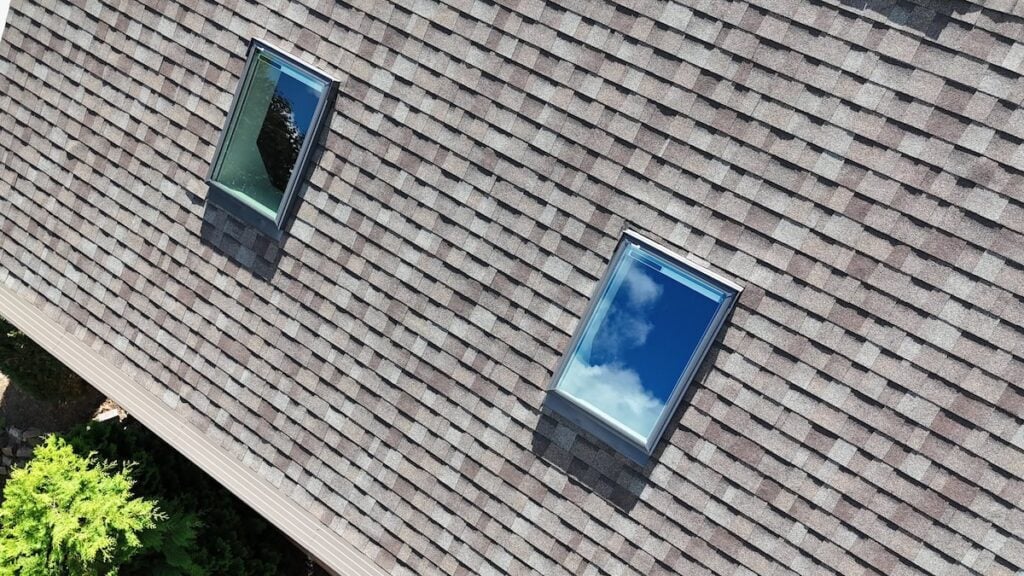
Are Impact Resistant Shingles the Right Investment?
Whether impact resistant shingles are worth it for you comes down to a handful of personal factors. Thinking through the points below helps homeowners across the Tarentum area decide with confidence rather than guesswork.
- Your local climate: If severe hail and wind are regular visitors, the added protection can pay for itself in avoided repairs.
- How long you will stay: The longer you plan to live in your home, the more you benefit from the extended lifespan.
- Your insurance policy: Check whether your carrier offers a discount for Class 4 roofs, since that can offset a meaningful share of the cost.
- Your budget: Factor in the higher upfront price against years of lower maintenance and potential premium savings.
- Your home’s design: Consider which style and material best complement your roofline and curb appeal.
Frequently Asked Questions About Impact Resistant Shingles
Homeowners tend to have similar questions when they start weighing this upgrade. Below are the answers we hear asked most often, covering cost, insurance, and real-world performance. If your question is not here, our team is always happy to talk it through.
How much more do impact resistant shingles cost?
They typically run higher than traditional asphalt shingles, with the difference showing up in both materials and installation. That said, the gap is often offset over time by fewer repairs, a longer lifespan, and possible insurance discounts, which is why many homeowners in storm-prone areas find them worth the premium.
Will impact resistant shingles really lower my insurance premium?
In many cases, yes, though it depends on your carrier and location. Insurance companies offer discounts on the wind and hail portion of your premium for a documented Class 4 roof because it lowers their risk of a large claim. Ask your agent what documentation they need, since most require a manufacturer or contractor certificate confirming the rating.
Are impact resistant shingles completely hail-proof?
No roofing material is truly hail-proof. Class 4 shingles are tested against a two-inch steel ball dropped from 20 feet, but a severe storm with larger stones or debris can still cause damage. They are best understood as a documented resistance feature that greatly reduces risk, not an ironclad guarantee against every storm.
How long do impact resistant shingles last?
When installed correctly, many impact resistant shingles last 30 years or more, outpacing the 15 to 20 years typical of standard asphalt. Proper installation by an experienced roofer is key to reaching that full lifespan, since even the best shingle underperforms if it is not fitted right.
Do I need a professional to install them?
Yes, and it matters more than you might think. These shingles are engineered to perform a certain way, and improper installation can undercut both their impact resistance and any manufacturer warranty. A qualified roofing contractor ensures they are installed to spec so you get the full protection and value you paid for.
Protect Your Home with Community Pro Roofing
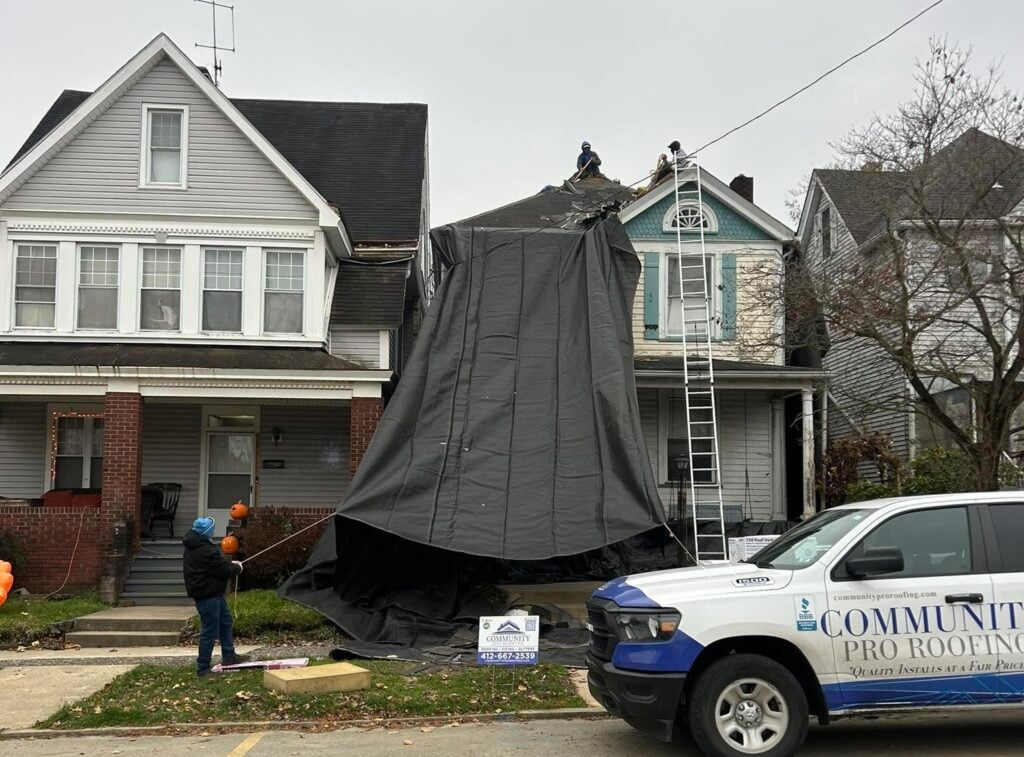
When the next storm rolls through Tarentum, the difference between a roof that shrugs it off and one that springs a leak often comes down to the shingles overhead. At Community Pro Roofing, we specialize in installing high-quality impact resistant shingles with the craftsmanship and personalized service that has earned us hundreds of authentic five-star reviews from neighbors just like you. Upgrading your roof is an investment in decades of protection, and we are here to help you make the right call for your home and budget. If you are ready to build a stronger, more resilient roof, request your free inspection and let our team walk you through your options.
