
 (412) 667-2539
  (412) 667-2539
Composite Shingles: 5 Benefits, Durability and Style Options

07.31.26

7 Minute Read
Choosing a new roof is one of the biggest decisions a homeowner makes, and the material you pick shapes how your home looks and how well it holds up for decades. Composite shingles have quickly become a favorite for people who want the beauty of natural slate or cedar without the fragility, weight, and upkeep those materials demand. Engineered from a blend of synthetic materials, they offer a rare combination of durability, curb appeal, and long-term value. If you are weighing your options for a roof replacement, understanding what composite shingles bring to the table helps you invest with confidence.
Here is what this guide covers:
- What composite shingles are and how they are made
- Five key benefits for homeowners
- How their durability compares to other roofing materials
- The style options available to match any home
- Answers to the questions homeowners in Natrona Heights ask most
What Are Composite Shingles?
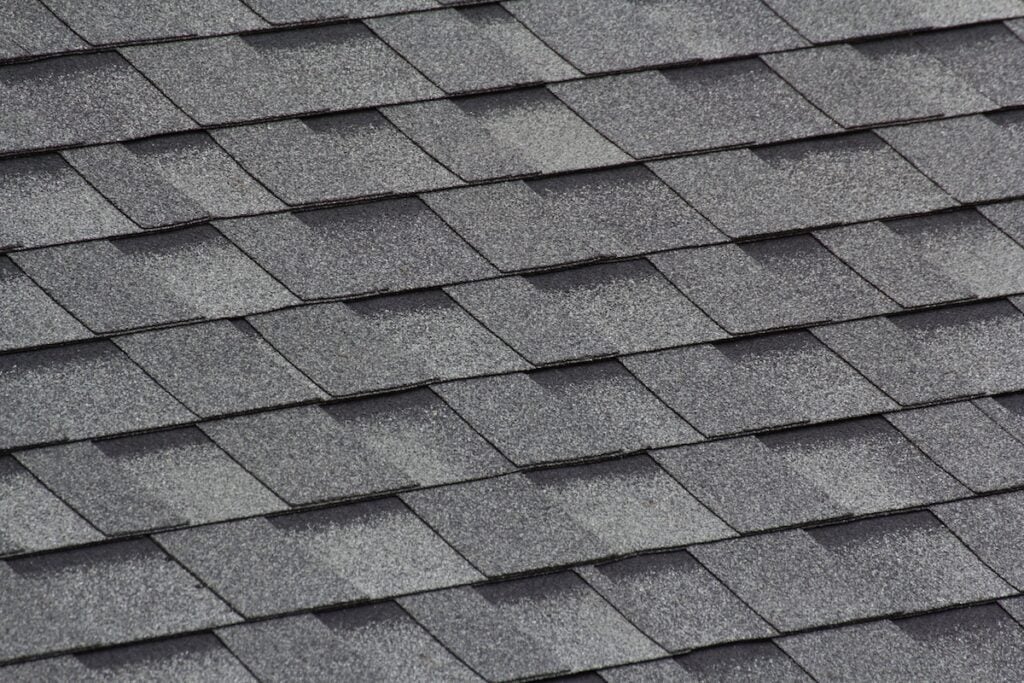
Composite shingles, sometimes called synthetic composite shingles, are manufactured from a blend of engineered materials such as recycled plastics, rubber, and fiberglass rather than traditional asphalt or natural stone. That construction is what gives them their signature strength while keeping them light enough to install on nearly any home. The result is a shingle designed to mimic the look of premium materials like slate and cedar shake at a fraction of their weight and cost.
For homeowners in western Pennsylvania, that engineering matters. Natrona Heights sees heavy snow, freeze-and-thaw cycles, and the occasional summer hailstorm, and composite roof shingles are built to take that punishment without cracking or warping the way natural materials often do.
How Composite Shingles Are Made
Understanding how composite shingles are made explains why they perform so well. Manufacturers press together polymers, fiberglass, and often recycled plastics under high pressure, then mold the surface to replicate the texture and depth of slate or wood. This process creates a product that resists moisture, impact, and UV damage far better than a standard shingle. Most composite shingles are made to carry a Class 4 impact rating, the highest available, which is one reason they hold up so well against hail and flying debris.
5 Key Benefits of Composite Shingles
Every roofing material comes with trade-offs, but composite shingles check an unusual number of boxes for homeowners who want performance and appearance together. Here are the five benefits that make them stand out.
- Exceptional durability: Their engineered construction resists cracking, splitting, and impact damage, ranking among the most durable roofing materials against hail, wind, and heavy weather that would harm natural slate or wood.
- Long lifespan: According to industry sources, a quality composite shingle roof can last around 40 to 50 years, far outlasting the typical asphalt roof.
- Lightweight design: Because they weigh far less than natural slate or clay, composite shingles rarely require the extra structural bracing those heavy materials demand, simplifying installation.
- Low maintenance: Their moisture-resistant surface discourages algae, mildew, and rot, meaning fewer cleanings and repairs over the life of the roof.
- Eco-friendly makeup: Many composite shingles are manufactured from recycled materials and are themselves recyclable, making them a greener choice than many traditional options.
How Composite Shingles Compare to Other Roofing Materials
Choosing a roof means balancing upfront cost against durability, appearance, and how long you plan to stay in your home. Composite shingles occupy a sweet spot between affordable asphalt and premium natural materials, offering a cost effective roofing solution over the long run. The table below shows how they stack up against the most common alternatives.
| Material | Typical Lifespan | Relative Cost | Key Trait |
| Architectural asphalt shingles | 15 to 30 years | Lowest | Budget-friendly, common |
| Composite shingles | 40 to 50 years | Moderate to high | Durable, lightweight, stylish |
| Slate shingles | 75 to 150 years | Highest | Beautiful but heavy, fragile |
| Cedar shake | 20 to 40 years | High | Warm look, high maintenance |
| Metal roofing | 40 to 70 years | High | Long-lasting, energy efficient |
Keep in mind these are general ranges. Cost is often measured per square foot, and proper installation, attic ventilation, and regular maintenance all influence how long any roofing material actually lasts on a given home.
Durability That Lasts
The real advantage of composite shingles shows up over time. Because they resist the cracking, granule loss, and moisture damage that shorten the life of traditional asphalt shingles, they tend to keep performing long after a standard roof would need replacing. That longevity is often backed by strong manufacturer warranties, many stretching 30 to 50 years, which reflects the confidence makers have in these durable roofing materials. We’re proud to serve home and business owners in Natrona Heights, PA, and nearby communities with expert composite shingle installation and roof replacement.
Style Options to Match Any Home
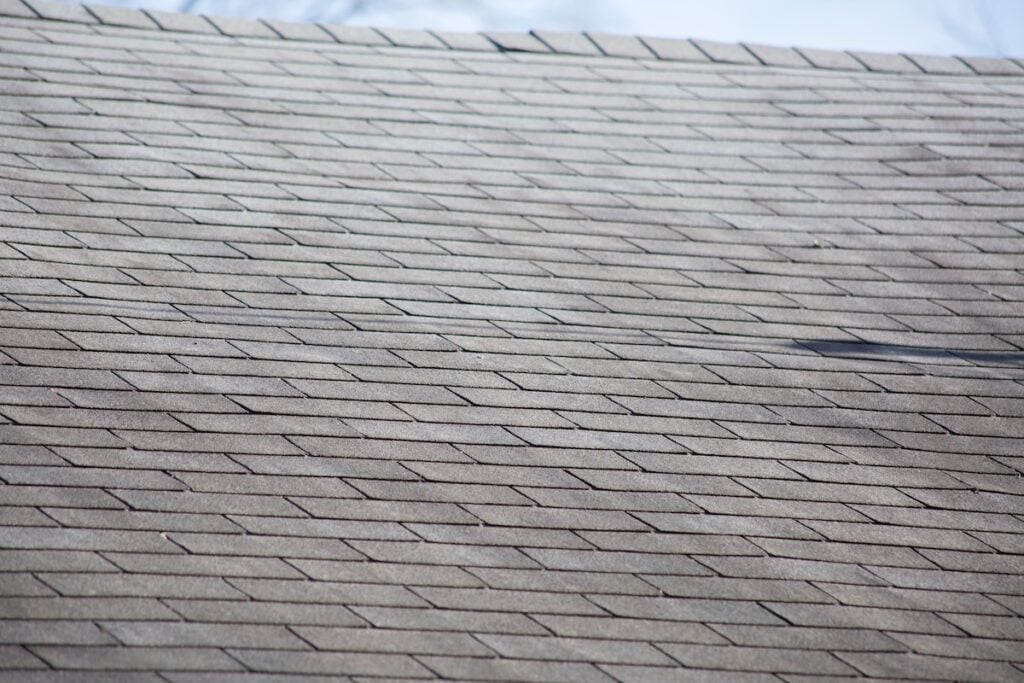
One of the biggest draws of composite shingles is that durability does not come at the expense of looks. Manufacturers design them to capture the character of premium and luxury shingles, so you can match nearly any architectural style. Homeowners across the Natrona Heights area appreciate having options like these.
- Synthetic slate: Replicates the elegant, dimensional look of slate shingles without the crushing weight or brittleness.
- Synthetic cedar shake: Mimics the warm, rustic texture of real wood shake while resisting rot, insects, and fire.
- Designer profiles: Offers unique shapes and layered looks that go beyond what standard architectural shingles can achieve.
- Wide color range: Comes in an extensive palette so you can complement your siding, trim, and overall curb appeal.
- Blended tones: Combines multiple shades within each shingle to create depth and a more natural, varied finish.
Frequently Asked Questions About Composite Shingles
Homeowners considering this upgrade tend to ask the same handful of questions. Below are the answers we hear most often, covering cost, longevity, and performance. If your question is not here, our team is always happy to talk it through.
How long do composite shingles last?
A quality composite shingle roof typically lasts 40 to 50 years, well beyond the 15 to 30 years you get from most asphalt shingles. Actual lifespan depends on proper installation, adequate attic ventilation, and routine maintenance, so partnering with an experienced roofing contractor makes a real difference in reaching that full range.
Are composite shingles worth the higher cost?
For many homeowners, yes. While they cost more upfront than architectural asphalt shingles, their long lifespan, low maintenance, and strong resale appeal often make them the better value over time. If you plan to stay in your home for many years, the extended durability can more than justify the initial investment.
Do composite shingles hold up to hail and storms?
They hold up very well. Most composite shingles carry a Class 4 impact rating, the highest available, which means they resist damage from hail and flying debris better than standard materials. That toughness makes them a smart choice for the storm-prone weather common across western Pennsylvania.
Are composite shingles environmentally friendly?
Generally, yes. Many are manufactured using recycled plastics and rubber, and a number of products are recyclable at the end of their long life. Combined with the fact that they need replacing far less often, that recycled makeup makes them one of the more sustainable roofing choices available.
Can composite shingles be installed on any home?
In most cases, yes. Their lightweight construction means they usually do not require the additional structural support that heavy slate or clay tile demands, making them suitable for a wide range of homes. A professional inspection confirms your roof structure is ready and ensures the shingles are installed to manufacturer specifications.
Protect Your Home with Community Pro Roofing
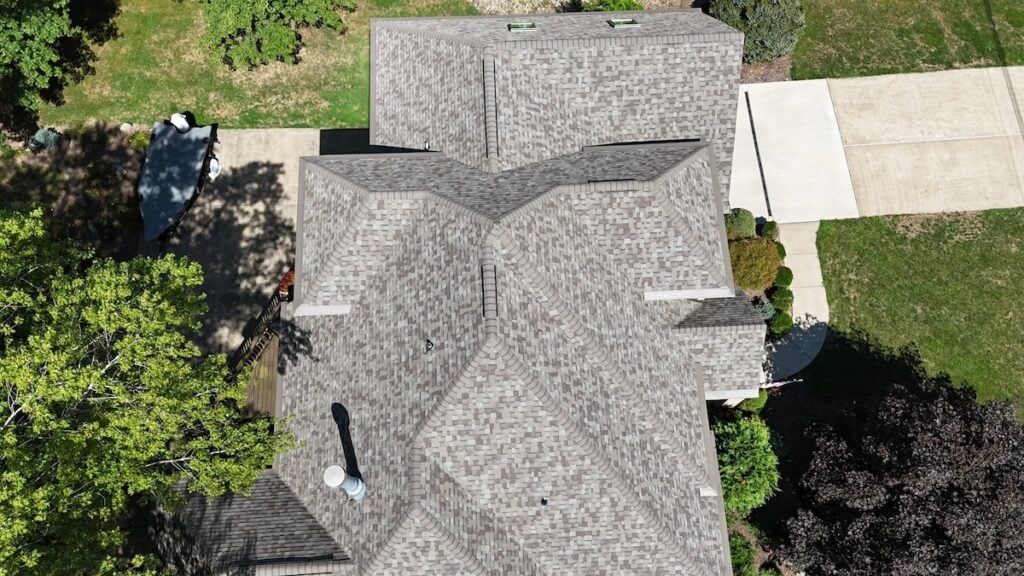
A roof is one of the largest investments you will make in your home, and most composite shingles offer a rare blend of lasting protection and standout style that pays off for decades. At Community Pro Roofing, we bring meticulous craftsmanship and personalized service to every installation, backed by hundreds of authentic five-star reviews from neighbors just like you. Whether you love the look of slate, the warmth of cedar, or simply want a roof built to endure, we will help you find the perfect fit for your home and budget. When you are ready to upgrade to a roof that lasts, request your free inspection and let our team show you what composite shingles can do.
