
 (412) 667-2539
  (412) 667-2539
Best Gutter Guards: 6 Top Options for 2026 Homes

07.24.26

8 Minute Read
Keeping your gutters clear used to mean climbing a ladder every few months and scooping out soggy leaves by hand. Today, the best gutter guards can take that chore off your list almost entirely while protecting one of the most important drainage systems on your home. With so many styles on the market heading into 2026, though, choosing the right one can feel overwhelming. Some guards excel at blocking pine needles, others shine in heavy downpours, and a few simply are not worth the money. Knowing how gutter guards fit into your broader roof and gutter protection strategy helps you invest in a system that actually lasts.
Here is what this guide covers:
- How gutter guards work and why they matter for your home
- The six main types of gutter guards available in 2026
- A side-by-side comparison of cost, durability, and performance
- What to look for when choosing a guard for your climate
- Answers to the questions homeowners in Springdale ask most
Why Gutter Guards Are Worth Considering
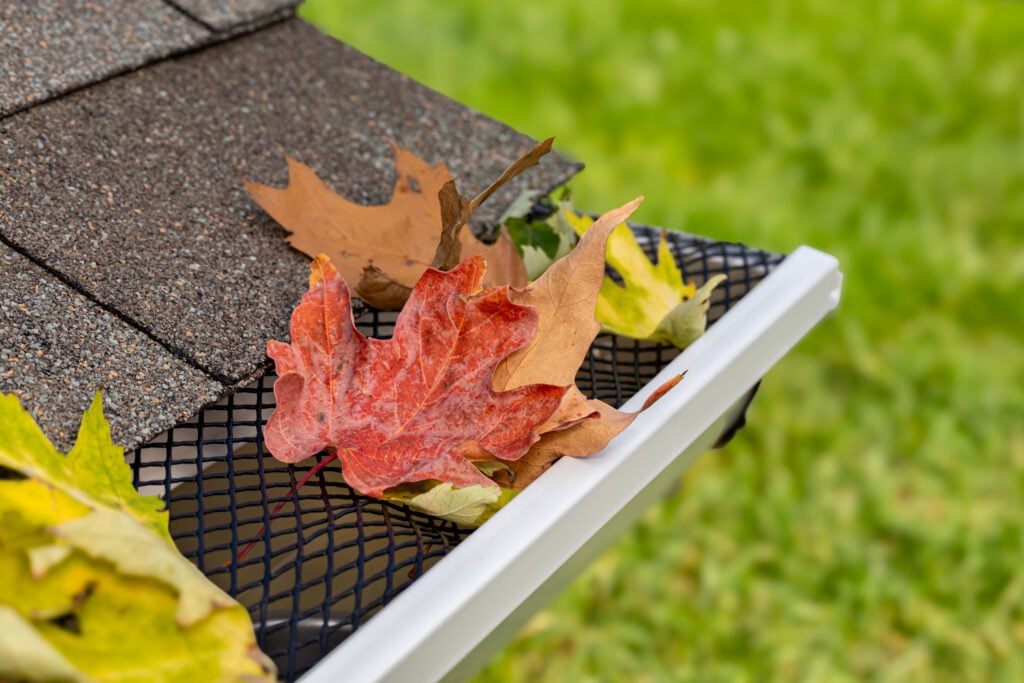
Gutters do the quiet work of steering rainwater away from your roof, siding, and foundation. When they clog with leaves and debris, that water spills over the edge and pools where you least want it. A quality gutter system paired with the right guard acts as a filter, letting water flow through while keeping most debris out, which means fewer cleanings and better protection year-round.
For homeowners in western Pennsylvania, the value is easy to see. Springdale sees everything from spring downpours to heavy autumn leaf fall, and the freeze-and-thaw cycles of winter make clogged gutters especially risky. A good guard keeps water moving when the weather turns rough, and it spares you from hauling out the leaf blower to clear the roofline every few weeks.
The Hidden Cost of Clogged Gutters
The damage from neglected gutters rarely stays at the roofline. When water cannot drain, it backs up under shingles, overflows onto fascia boards, and pools against the foundation. According to the National Roofing Contractors Association, clogged or damaged rain gutters are one of the leading causes of roof leaks, which in turn lead to roof rot, damaged shingles, and mold growth. Add in the risk of foundation cracks and basement flooding, and a modest investment in guards starts to look like cheap insurance against repairs that can run into the thousands.
6 Best Gutter Guard Options for 2026
Not every guard suits every home, and the right pick depends on your roof, your trees, and your local weather. Below are the six most popular types heading into 2026, along with what each does best. Some are budget-friendly DIY projects, while others are premium systems built for decades of hands-off performance.
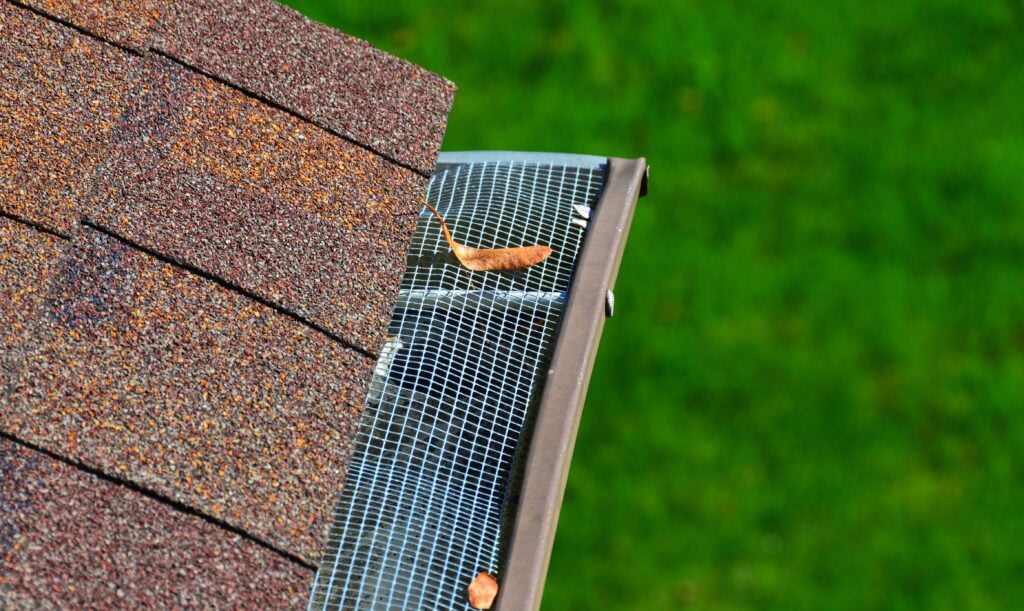
- Micro-mesh gutter guards: A fine mesh of stainless steel blocks even tiny debris like pine needles and shingle grit while letting water pass. These rank among the most effective options for homes with heavy tree cover.
- Reverse-curve guards: Water clings to a curved surface and flows into the gutter while debris slides off the edge. Sometimes sold under names like gutter helmet, they perform well in heavy rain but can be more visible from the ground.
- Perforated aluminum gutter guards: Lightweight aluminum panels with punched holes offer solid protection at a moderate price. They handle leaves well but may let smaller debris through.
- Foam inserts: Wedge-shaped foam sits inside the gutter and blocks debris while absorbing water flow. Affordable and easy to install, though they tend to need replacing sooner.
- Brush guards: Bristled inserts resemble a large pipe cleaner and catch larger tree debris. They are simple to fit but require periodic cleaning to stay effective.
- Screen and leaf guard covers: Simple mesh or metal gutter covers snap over the channel as an economical entry point. This basic leaf guard style is the least expensive option but generally the least durable over time.
Comparing Gutter Guard Types at a Glance
Choosing between these options comes down to balancing upfront cost against long-term performance and how much maintenance you are willing to do. A cheaper guard that clogs every season may cost more in the long run than a premium system installed once. The table below gives you a general sense of how the main types stack up.
| Guard Type | Typical Cost (per linear foot) | Durability | Best For |
| Micro-mesh | $3 to $12 | 15 to 20 years | Heavy debris, pine needles |
| Reverse-curve | $3 to $10 | 15 to 20 years | High rainfall areas |
| Perforated aluminum | $1.50 to $6 | 10 to 15 years | General leaf protection |
| Foam inserts | $2 to $4 | 2 to 5 years | Budget, DIY installs |
| Brush guards | $2 to $5 | 3 to 5 years | Large debris, easy fit |
| Screen covers | $0.50 to $3 | 3 to 8 years | Lowest upfront cost |
Keep in mind these are ballpark ranges. Professional installation, gutter size, and roof accessibility all affect the final price for any given home. It is also worth noting that some guards are designed to slide under your shingles during installation, which can affect your roof warranty, so always confirm the mounting method before you commit.
Matching a Guard to Your Home
The right choice depends heavily on what surrounds your house. If you have tall pines dropping needles all year, a fine mesh guard is usually worth the premium. For homes with mostly broad leaves and a tighter budget, perforated aluminum often strikes the best balance. We’re proud to serve home and business owners in Springdale, PA, and nearby communities with expert gutter protection and installation services.
How to Choose the Right Gutter Guards
Picking a guard is about more than price. A few key factors determine whether a system will actually perform on your home for years to come. Weighing these before you buy helps homeowners across the Springdale area avoid a costly do-over.
- Local debris type: Match the guard to what actually falls on your roof, whether that is broad leaves, fine pine needles, seed pods, or twigs.
- Rainfall volume: Heavy-rain regions need guards that handle high water flow without overshooting the gutter.
- Material quality: Stainless steel and aluminum outlast plastic and foam, resisting rust and warping over time.
- Installation method: Ask whether the guard mounts on top of the gutter or slides under the shingles, since the latter can affect your roof warranty.
- Professional installation: A skilled gutter installer ensures proper fit and pitch, which matters as much as the guard itself and protects your investment.
Frequently Asked Questions About Gutter Guards
Gutter guards raise plenty of questions, especially for homeowners weighing the cost against the convenience. Below are the answers we hear most often, covering everything from maintenance to effectiveness. If your question is not here, our team is always happy to walk you through it.
Do gutter guards really eliminate cleaning?
Not entirely, but they dramatically reduce it. Quality guards keep out the bulk of leaves and debris, so instead of scheduling full gutter cleaning several times a year, you may only need a quick check once annually. Fine debris and seed pods can still accumulate over time, which is why occasional inspection remains a good habit.
Do gutter guards lose performance over time?
Some do. Independent testing has shown that certain products drain less effectively as they age. LeafFilter, for example, absorbed less water in its second year of testing than in its first, a reminder that long-term performance matters as much as first-year results. Choosing a durable material and a reputable installer helps protect against that drop-off.
Can I install gutter guards myself?
Some products, like foam inserts and snap-in gutter covers, are designed for DIY installation. However, premium options such as a micro-mesh or leaf filter system often require precise fitting and secure attachment to the roof edge, which is best handled by a professional. Improper installation can actually cause water to overshoot the gutter entirely.
Will gutter guards prevent ice dams in winter?
Gutter guards alone do not prevent ice dams, which form from attic heat loss and poor ventilation. That said, keeping gutters clear does help water drain properly during thaws, reducing the backup that contributes to ice buildup along the roofline in Pennsylvania winters.
How long do gutter guards last?
It depends heavily on the material. Foam and brush inserts may last only a few years, while a high-quality metal or fine mesh system can protect your home for 15 to 20 years or more. A strong warranty is usually a reliable indicator of expected lifespan.
Protect Your Home with Community Pro Roofing
Your gutters work hardest during the storms you would rather not think about, and the right guards let them do that job without constant upkeep. At Community Pro Roofing, we bring the same detailed, neighborly approach to gutter protection that we bring to a full roof replacement, backed by hundreds of authentic five-star reviews from homeowners just like you. Choosing the best gutter guards is an investment in your entire home’s protection, and we are here to help you get it right the first time. If you are ready to keep water where it belongs, request your free inspection and let our team recommend the perfect fit for your home.
