
 (412) 667-2539
  (412) 667-2539
6 Factors That Affect Flat Roof Replacement Cost: What Impacts Price in 2026

05.01.26

5 Minute Read
Flat roof replacement cost is one of the biggest concerns for homeowners and property owners planning a new roofing project. The total flat roof cost can vary widely depending on roofing material, labor, and the condition of your existing system. Understanding what drives these project costs can help you budget more accurately and avoid surprises when replacing a flat roof on a home or commercial building.
- Project size: Larger roof areas increase material and labor costs
- Material choice: Different flat roofing systems vary in price
- Roof condition: Existing damage can raise replacement costs
- Installation complexity: More detail work increases labor time
Average Flat Roof Replacement Costs in 2026
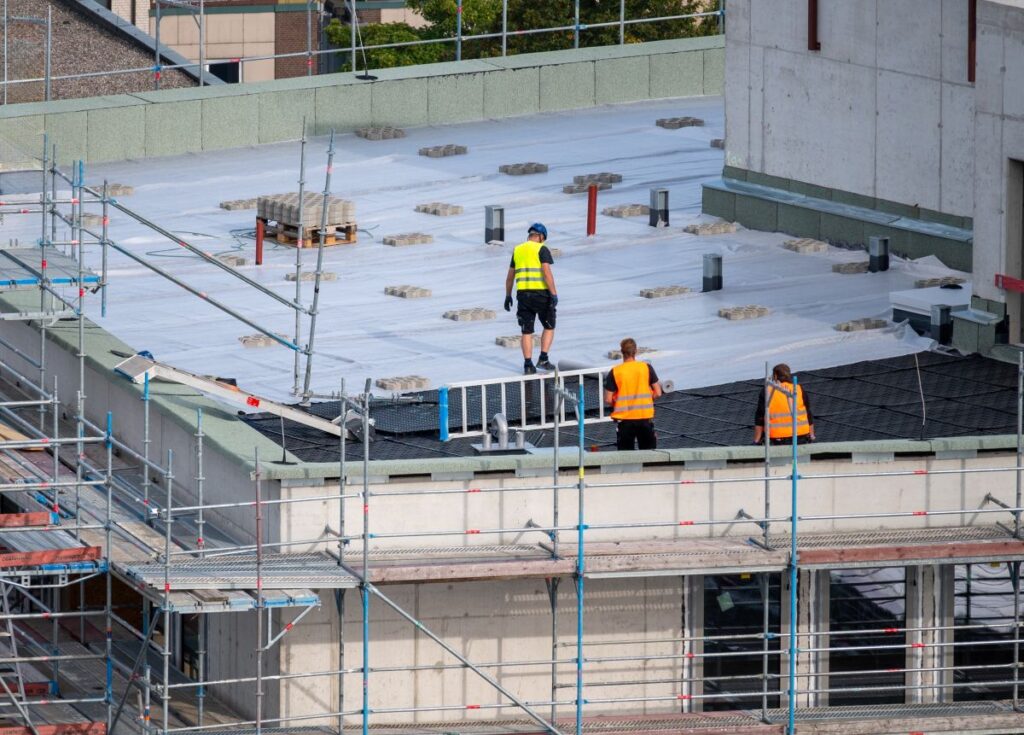
Before breaking down the factors, it helps to understand general pricing expectations. Costs are often calculated per square foot, and most flat roof replacement cost ranges depend on the type of roofing material selected and its expected lifespan.
| Flat Roofing Material | Average Cost Per Square Foot | Expected Lifespan |
| EPDM Rubber | $4 to $8 | 20 to 30 years |
| TPO Roofing | $5 to $9 | 20 to 30 years |
| PVC Roofing | $6 to $10 | 25 to 35 years |
| Modified Bitumen | $4 to $7 | 15 to 25 years |
| Built-Up Roofing | $5 to $8 | 20 to 30 years |
These estimates include materials and labor, but final project costs will vary depending on your roof size, layout, and whether a full roof removal is required before installing a new flat roof.
6 Key Factors That Impact Flat Roof Replacement Cost
Several important elements determine how much you will pay when replacing a flat roof. Knowing these factors can help you plan ahead and make informed decisions about your roof replacement.
1. Roof Size and Layout
The total square footage of your roof is one of the biggest cost drivers. Larger roofs, especially on a commercial building, require more materials, more labor, and more time to complete.
- Square footage: More surface area increases overall cost per square foot
- Roof layout: Complex shapes require additional labor
- Accessibility: Hard-to-reach roofs increase installation time
2. Roofing Material Selection
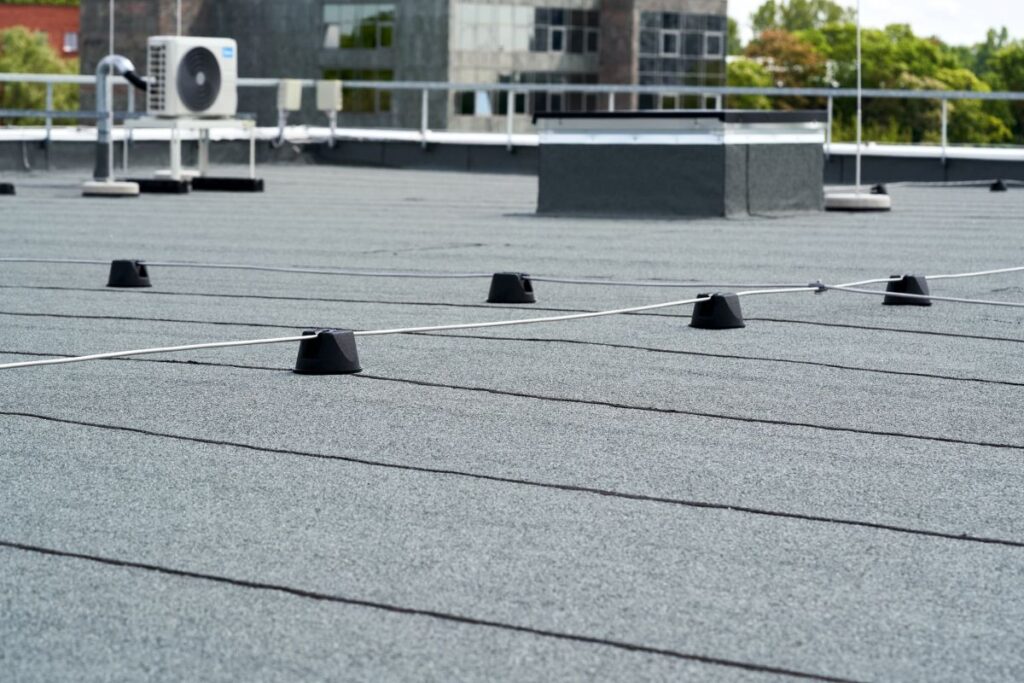
The type of roofing material you choose has a major impact on flat roof cost. Some materials cost more upfront but offer better durability, improved energy efficient performance, and a longer expected lifespan.
- Material type: TPO, PVC, and EPDM vary in cost
- Longevity: Longer-lasting systems may cost more initially
- Energy efficiency: Reflective materials can reduce cooling costs
3. Existing Roof Condition
The current condition of your roof plays a significant role in determining project costs. If there is damage beneath the surface, it must be addressed before installing a new flat roof.
- Roof deck damage: Repairs or replacement increase costs
- Moisture issues: Water damage requires additional work
- Roof removal: Tearing off old layers adds labor and disposal costs
4. Installation Complexity
Not all flat roofs are simple to replace. Details like penetrations, drainage systems, and structural elements can increase labor requirements.
- Roof penetrations: Vents and HVAC units add complexity
- Drainage systems: Proper slope and drainage must be maintained
- Flashing details: Additional sealing work increases time
5. Labor and Contractor Expertise
Labor costs can vary depending on the experience of the roofing professional, project size, and location. In many cases, labor alone can range from $3 to $7 per square foot when replacing a flat roof, making it a significant portion of total project costs. Urban areas often see higher pricing, with rates sometimes 20 to 40 percent higher than rural regions due to increased demand and cost of living.
- Skilled labor: Experienced crews may cost more but deliver better results
- Project management: Oversight ensures quality and efficiency
- Installation standards: Proper methods reduce future issues
6. Permits and Additional Costs
There are often additional costs involved beyond materials and labor. These can vary based on local requirements and project needs.
- Permits: Required by local building codes
- Disposal fees: Removing old materials adds cost
- Inspection requirements: Ensures compliance with regulations
Signs It May Be Time for a Roof Replacement
Knowing when to move forward with a roof replacement can help you avoid larger issues and unexpected expenses. These signs often indicate it may be time for a new flat roof.
- Persistent leaks: Ongoing water issues signal deeper problems
- Pooling water: Standing water can weaken the roof over time
- Cracks or blisters: Surface damage indicates aging materials
- Membrane deterioration: Visible wear reduces protection
- Frequent repairs: Repeated fixes may cost more than replacement
How to Control Flat Roof Replacement Costs
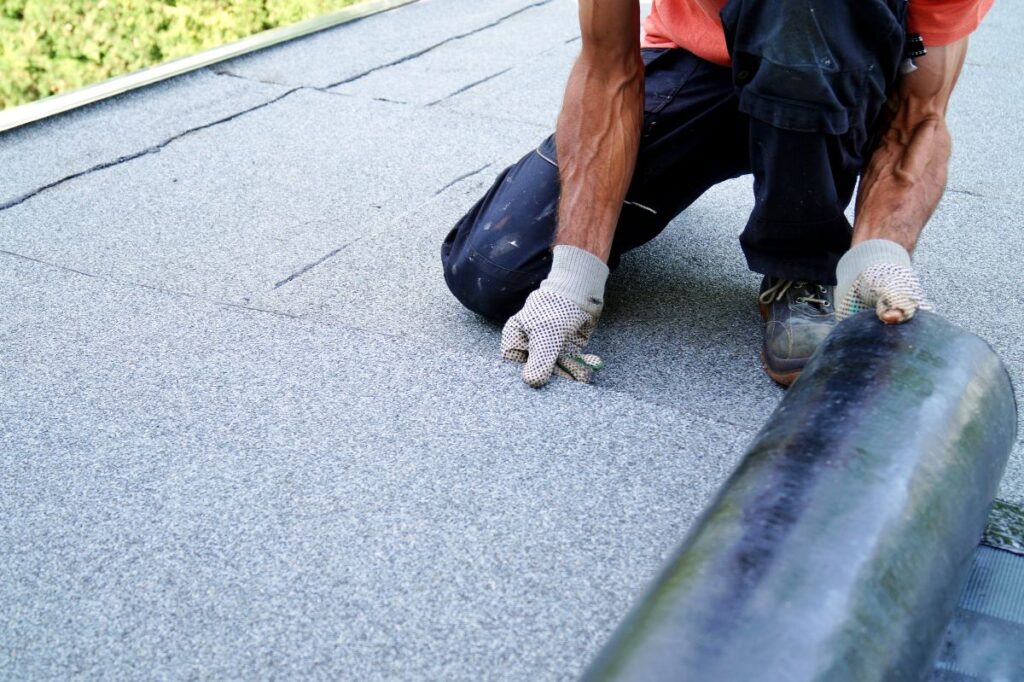
While some factors are unavoidable, there are ways to manage your budget and reduce overall project costs when replacing a flat roof.
Plan Ahead
Scheduling your project before major damage occurs can help you avoid emergency pricing and additional repairs.
Choose the Right Material
Selecting a roofing material that balances cost, durability, and energy efficient performance can save money over time.
Schedule a Professional Inspection
A professional inspection helps identify issues early and provides a clear understanding of what your project will require.
Work With an Experienced Contractor
Choosing a trusted roofing professional ensures your roof is installed correctly, reducing the risk of costly issues later.
Community Pro Roofing: Your Partner for Flat Roof Replacement Done Right
Understanding flat roof replacement cost helps you plan ahead and make confident decisions about your property. At Community Pro Roofing, we work with homeowners and commercial building owners to provide clear pricing, honest recommendations, and high-quality installation. Whether you are planning a roof replacement or installing a new flat roof, our team is here to deliver reliable results built for long-term performance.
We focus on transparency, proper installation, and helping you get the most value out of your investment. From roof removal to final installation, our goal is to make the process straightforward, efficient, and built around your needs.
