
 (412) 667-2539
 (412) 667-2539
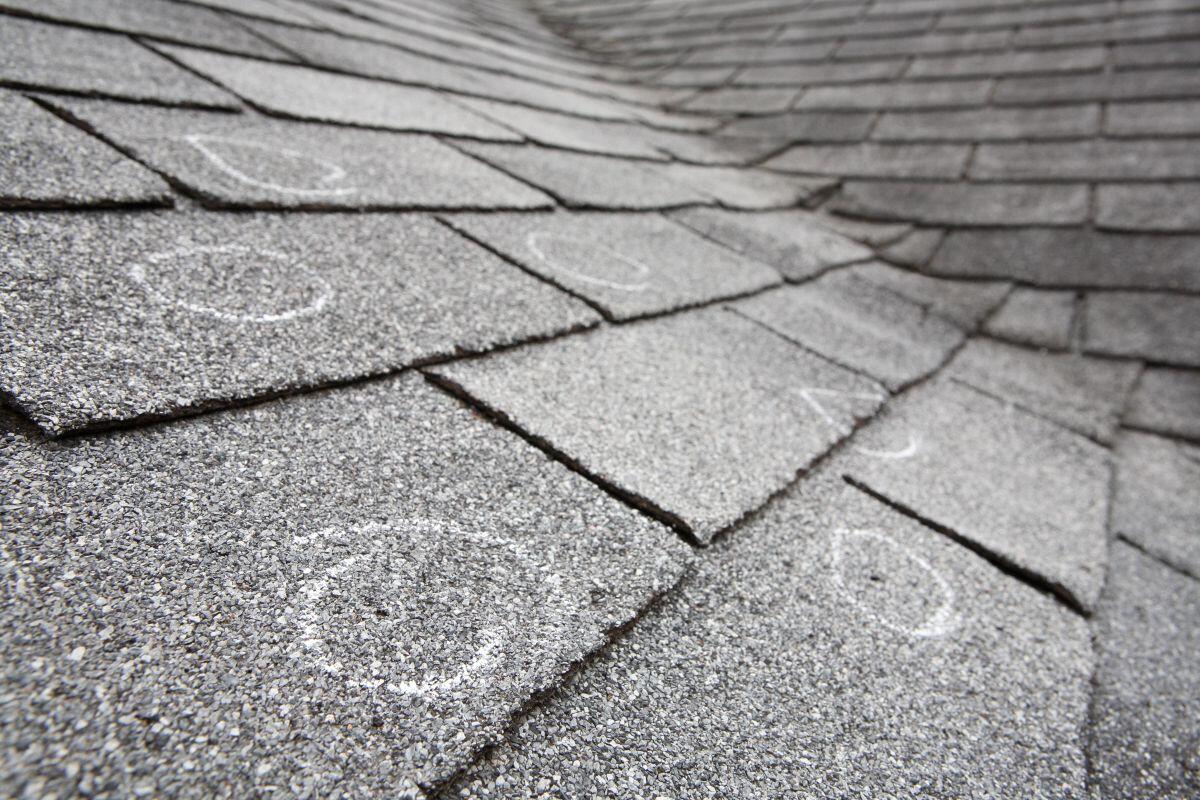
Hail Damage Roof Repair: What to Do Before Cold Weather

10.21.26

8 Minute Read
Hailstorms can leave a roof looking fine from the driveway while hiding bruised shingles and lost granules that shorten its life. Acting on hail damage roof repair before cold weather arrives keeps small weaknesses from becoming winter leaks, when freezing temperatures make every repair harder. Homeowners who know what to look for, and who lean on a team that delivers reliable work from the shingles up, can catch problems early and avoid expensive surprises. Here is how to handle hail damage the smart way before the first frost.
In this guide, you will learn:
- Why hail damage is easy to miss and costly to ignore
- Six steps to take after a hailstorm hits your home
- The visible and hidden signs of hail damage on a roof
- How repair and replacement compare after hail
- How to prepare your roof for future storms
Why Hail Damage Needs Attention Before Winter

Hail does not always cause an obvious leak right away. Instead, it can weaken the protective surface of your shingles, leaving them more vulnerable to moisture, wind, and ice. Once winter arrives, that weakened surface has to survive freeze and thaw cycles, which is a lot to ask of a damaged roof. Water that gets under compromised shingles can freeze, expand, and widen small gaps, turning a minor repair into a much larger project by midwinter.
- Prevents hidden leaks: Bruised or cracked shingles can let water in slowly, causing damage inside your attic and walls long before a stain appears.
- Protects your roof’s lifespan: Granule loss from hail speeds up aging, so early repair helps your roof last as long as it should.
- Keeps repairs affordable: Fixing a few damaged areas in fall costs far less than repairing leaks and interior damage in the middle of winter.
- Supports insurance claims: Prompt documentation and inspection make it easier to show that damage came from a specific storm.
- Improves repair conditions: Fall temperatures allow shingles to seal properly, which is harder to achieve once it gets cold.
Homeowners in Springdale and surrounding areas know how quickly weather can shift in the fall, which makes the weeks after a hailstorm the best time to get a roof checked.
6 Steps to Take After a Hailstorm
Knowing what to do right after a storm helps you protect your home and move through the repair process with confidence. These steps cover what to do from the moment the hail stops.
1. Check Your Property From the Ground
Once the storm passes and it is safe to go outside, walk around your home and look for signs of impact. Your yard and exterior often reveal what happened up above.
- Look for dented gutters, downspouts, and window screens
- Check for dings on siding, vents, and metal flashing
- Note any shingle pieces or granules collected on the ground or in gutters
2. Document the Damage
Photos and notes taken soon after the storm create a clear record. This documentation becomes valuable when working with your insurance company and your roofer.
- Take wide shots of the home and close ups of specific damage
- Record the date of the storm and the approximate size of the hail
- Keep all photos organized in one place for easy sharing
3. Avoid Climbing on the Roof
It is tempting to inspect the roof yourself, but a damaged surface can be slippery and unsafe. Leaving this step to a professional protects you from injury and from accidentally causing additional damage.
- Wet or damaged shingles can be unstable underfoot
- Hail damage is often subtle and easy to misjudge without training
- A professional can inspect the roof safely from every angle
4. Schedule a Professional Roof Inspection

A trained roofer knows how to spot the signs of hail damage that homeowners often miss. A thorough inspection looks at shingles, flashing, vents, and the condition of the surrounding gutters.
- Inspections typically take about an hour
- A written estimate helps you understand what repairs are needed
- A good inspector will explain findings clearly and answer your questions
5. Contact Your Insurance Company
If your inspection confirms hail damage, reach out to your insurance provider promptly. Reading your policy ahead of time helps you understand your deductible and any filing deadlines.
- Share your photos and inspection findings with your adjuster
- Keep a record of every call, email, and claim number
- Ask your contractor what documentation will help most
6. Schedule Repairs Before the Cold Arrives
Once repairs are approved, getting them done before winter gives the work the best chance of being completed properly. Cold weather can slow or limit roofing work, so timing matters.
- Fall scheduling can fill up quickly after major storms
- Shingles seal best in milder temperatures
- A final walkthrough confirms that the work meets your expectations
Signs of Hail Damage on Your Roof
Hail damage ranges from obvious to nearly invisible, which is why understanding the different signs is so helpful. Some are easy to spot from the ground, while others require a closer look from a professional.
Visible Signs
- Dented metal components: Vents, flashing, and gutters often show dents that point to a recent hailstorm.
- Missing or displaced shingles: Large hail can knock shingles loose or crack them outright.
- Granule piles: Collections of granules in gutters or at the base of downspouts suggest shingles are shedding their protective layer.
Hidden Signs
Some hail damage does not show up as a visible dent or crack. Bruising in a shingle can soften the material underneath, creating a weak spot that fails later.
- Soft spots on shingles: A bruise can feel slightly spongy under pressure
- Dark or shiny patches: Areas where granules have been knocked off can look different from the surrounding shingles
- Interior stains that appear later: Slow leaks may take weeks to show up on a ceiling
Because so much hail damage is hard to see, a professional inspection is the most reliable way to know where your roof stands. Homeowners in Springdale and surrounding areas often schedule an inspection after any significant hailstorm, even if their roof looks fine at first glance.
What Happens If Hail Damage Goes Unrepaired
- Gradual shingle failure: Weakened shingles continue to shed granules and eventually crack, exposing the underlayment.
- Moisture in the attic: Small leaks soak insulation and framing, which can lead to mold and reduced energy efficiency.
- Interior damage: Ceilings, walls, and flooring can suffer when water finds its way inside unnoticed.
- Reduced home value: A roof with unresolved storm damage can raise concerns for future buyers and inspectors.
Addressing these risks early is far simpler than reversing them after a long, cold season.
Hail Damage Repair vs Roof Replacement
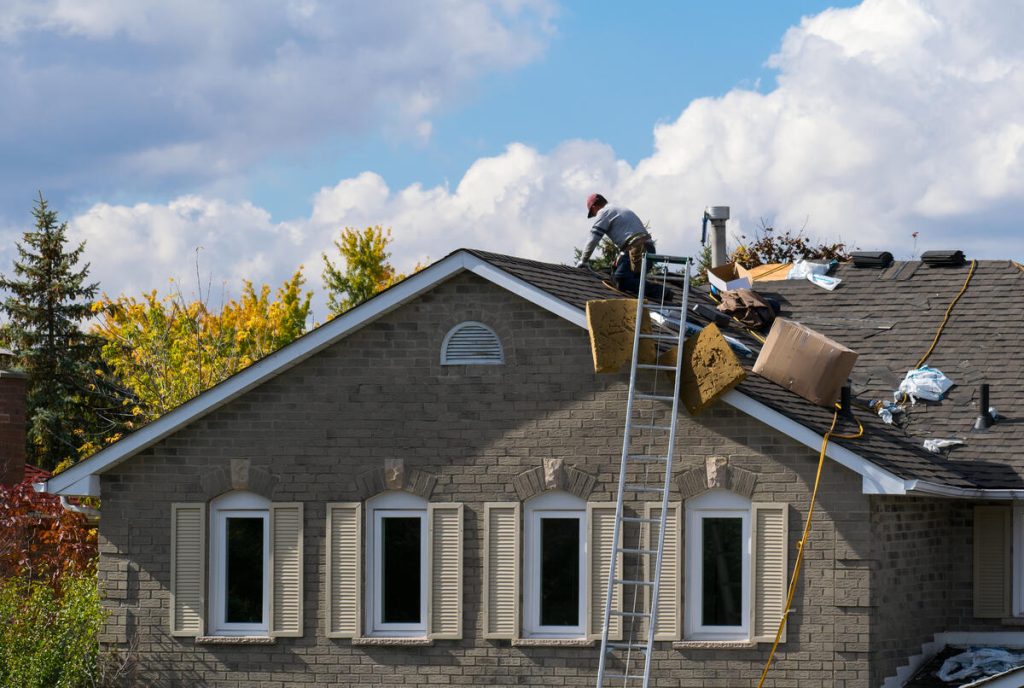
After a hailstorm, one of the biggest questions is whether repair will be enough or if the roof needs to be replaced. The answer depends on how widespread the damage is and the overall condition of the roof.
| Factor | Repair | Replacement |
| Extent of damage | Isolated areas with limited impact | Widespread damage across multiple slopes |
| Roof age | Newer roof with remaining lifespan | Older roof already near the end of its life |
| Shingle condition | Most shingles in good shape | Granule loss and bruising throughout |
| Cost | Lower upfront investment | Higher upfront cost with a fresh start |
| Long-term value | Extends the current roof for a time | Resets the roof’s lifespan with new materials |
A professional inspection helps clarify which path makes sense for your home, and it gives you the information needed to compare options with confidence instead of guessing. In some cases, a targeted repair solves the problem completely. In others, replacement is the more practical long term choice.
- Choose repair when: damage is limited and the rest of the roof is sound
- Choose replacement when: hail has affected much of the roof or the roof was already aging
- Ask for an honest assessment: A trustworthy roofer will explain both options and the reasoning behind each
Preparing Your Roof for Future Storms
While you cannot stop a hailstorm, you can reduce its impact with a few smart steps. Taking action now helps your roof stand up better to whatever comes next.
- Schedule routine inspections: Regular checkups catch small issues before they turn into major repairs.
- Consider impact resistant shingles: These shingles are designed to hold up better against hail and debris than standard options.
- Keep gutters clear: Clean gutters help water drain properly and reduce added stress on the roof edge.
- Trim nearby trees: Overhanging branches can add to storm damage when wind and hail combine.
- Know your roof’s age: Understanding how old your roof is helps you plan for future repairs or replacement.
Homeowners in Springdale and surrounding areas who stay proactive about these steps are in a stronger position when the next storm rolls through, with fewer surprises and more control over costs.
Get Your Roof Ready Before Cold Weather Sets In
Hail damage is easy to underestimate, but the consequences of ignoring it can show up in the form of leaks, shortened roof life, and costly repairs when winter arrives. Taking action now, while the weather is still workable, gives you the best chance of resolving problems the right way. A thorough inspection and a timely repair can make all the difference.
Community Pro Roofing is a family owned team that takes pride in helping local homeowners protect their roofs with honest advice and quality workmanship. If you suspect hail has damaged your roof, or you simply want peace of mind before winter, contact us today to schedule your free estimate and get your roof ready for the cold months ahead.
