 (412) 667-2539
  (412) 667-2539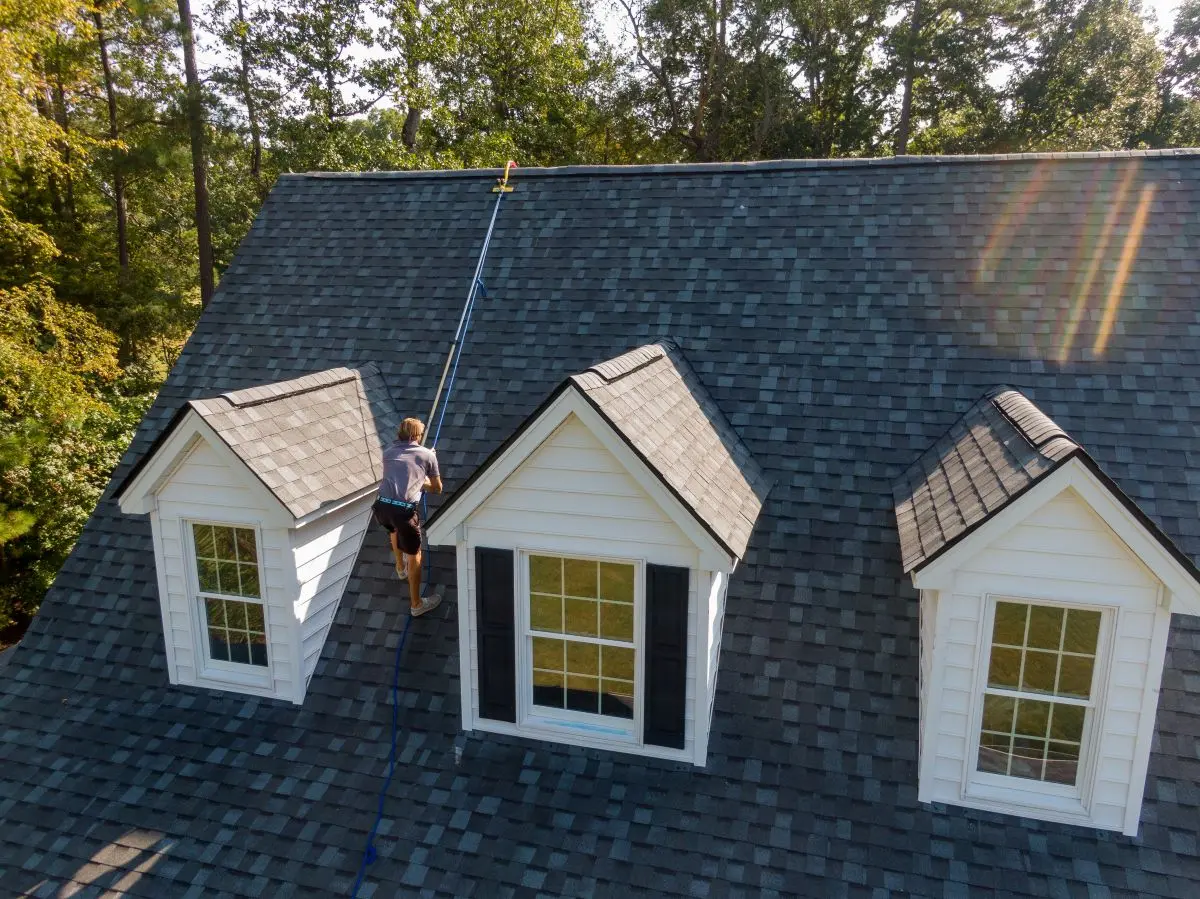
Roof Inspection Before Winter: What to Check This Fall

09.11.26

8 Minute Read
Winter is unforgiving on a roof that already has weaknesses, turning small issues into major leaks the moment snow and ice settle in. A thorough roof inspection in the fall gives homeowners a chance to catch problems while repairs are still simple and affordable. Pairing this seasonal checkup with dependable exterior craftsmanship ensures your home is ready to handle whatever the coldest months bring. Taking the time now can mean the difference between a quiet winter and an emergency repair call in the middle of a snowstorm.
In this guide, you will learn:
- Why a fall roof inspection matters more than most homeowners realize
- Eight key things to check on your roof before winter arrives
- How to spot problem areas that are easy to overlook
- Ways a professional inspection compares to a quick visual check
- Practical steps to prepare your entire home exterior for the season ahead
Why a Fall Roof Inspection Matters
Roofs take a beating throughout the year from sun exposure, wind, and rain, and by the time fall arrives, months of wear may have gone unnoticed. Checking your roof before winter sets in gives you the chance to address issues while temperatures still allow for repairs, since many roofing materials become difficult to work with once it gets too cold.
- Storm readiness: Winter storms bring heavy snow and ice that can expose weaknesses a damaged roof cannot handle.
- Leak prevention: Small gaps or worn areas are far more likely to let water in once freeze thaw cycles begin.
- Energy efficiency: A well-sealed roof helps retain heat, keeping your energy bills more manageable through the coldest months.
- Ice dam prevention: Poor ventilation or insulation issues identified in fall can be corrected before ice dams have a chance to form.
- Cost savings: Fall repairs are typically less expensive and less urgent than emergency winter repairs done under pressure.
Homeowners in Natrona Heights and surrounding areas often deal with a mix of heavy fall rain followed by an early cold snap, making late September through October the ideal window to get ahead of any roofing issues.
8 Things to Check During a Fall Roof Inspection
A thorough fall inspection covers more than just a glance at the shingles. Here are the key areas worth checking before the weather turns.
1. Shingle Condition
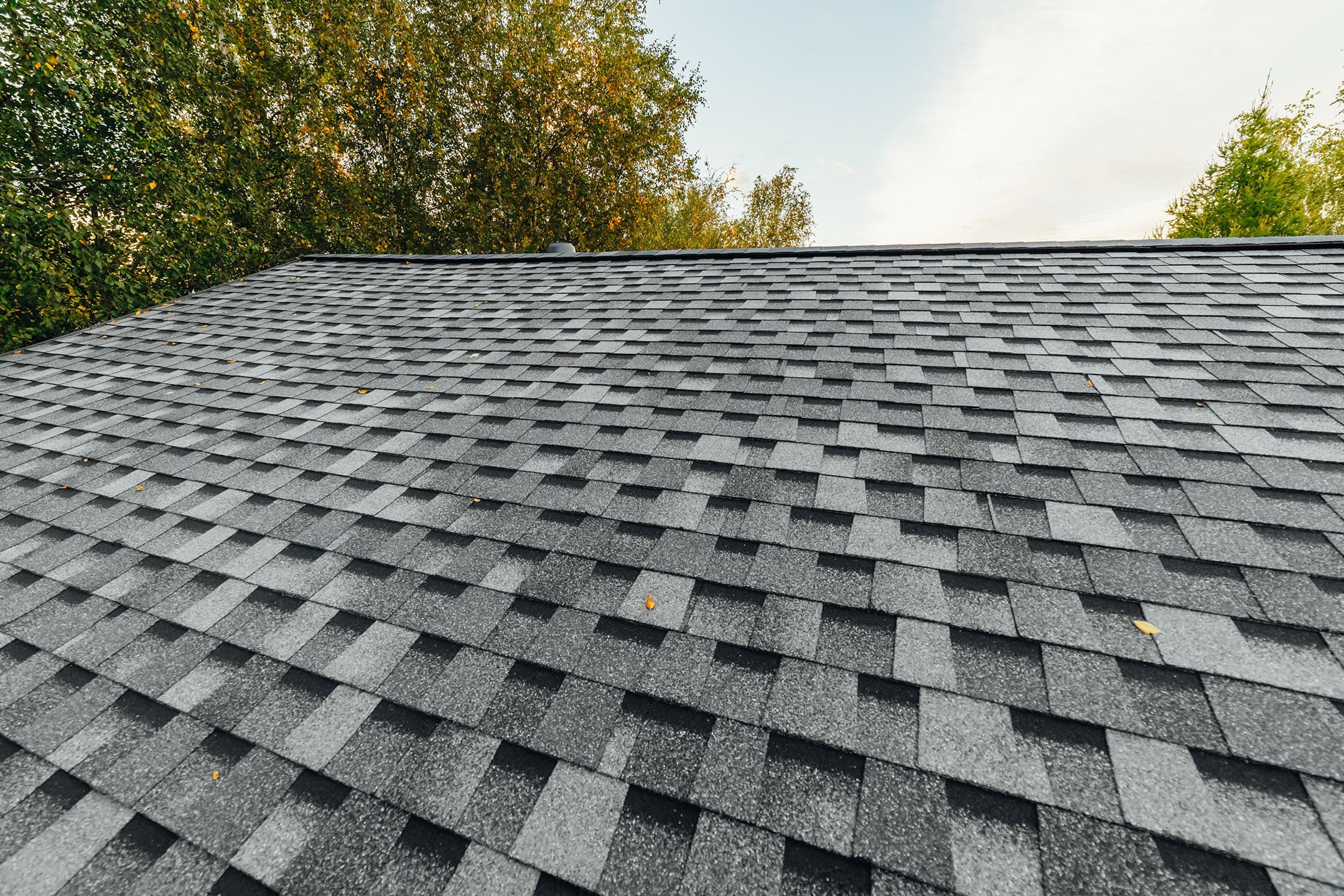
Shingles take the brunt of the weather all year, and by fall it is worth checking for any signs of wear that summer sun and storms may have caused. Damaged shingles are far more likely to fail once snow and ice add extra weight and moisture.
- Look for curling, cracking, or missing shingles across the entire roof
- Check for granule loss, which often shows up as bald patches
- Note any areas where shingles appear loose or lifted
2. Flashing Around Chimneys and Vents
Flashing seals the vulnerable points where your roof meets chimneys, vents, and skylights, and it is one of the most common places leaks originate. A fall check helps catch flashing that has shifted or corroded before winter moisture makes its way underneath.
- Rust streaks or gaps around flashing are worth a closer look
- Sealant that has cracked or pulled away should be reapplied or replaced
- Flashing issues often coincide with nearby shingle damage
3. Gutters and Downspouts
Gutters play a major role in directing water and melting snow away from your roof and foundation. A clogged or damaged gutter system heading into winter can lead to ice dams and water backing up under the shingles.
- Clear out leaves and debris before the first hard freeze
- Check that downspouts are directing water well away from the foundation
- Look for sagging sections or loose brackets that need tightening
4. Attic Ventilation and Insulation
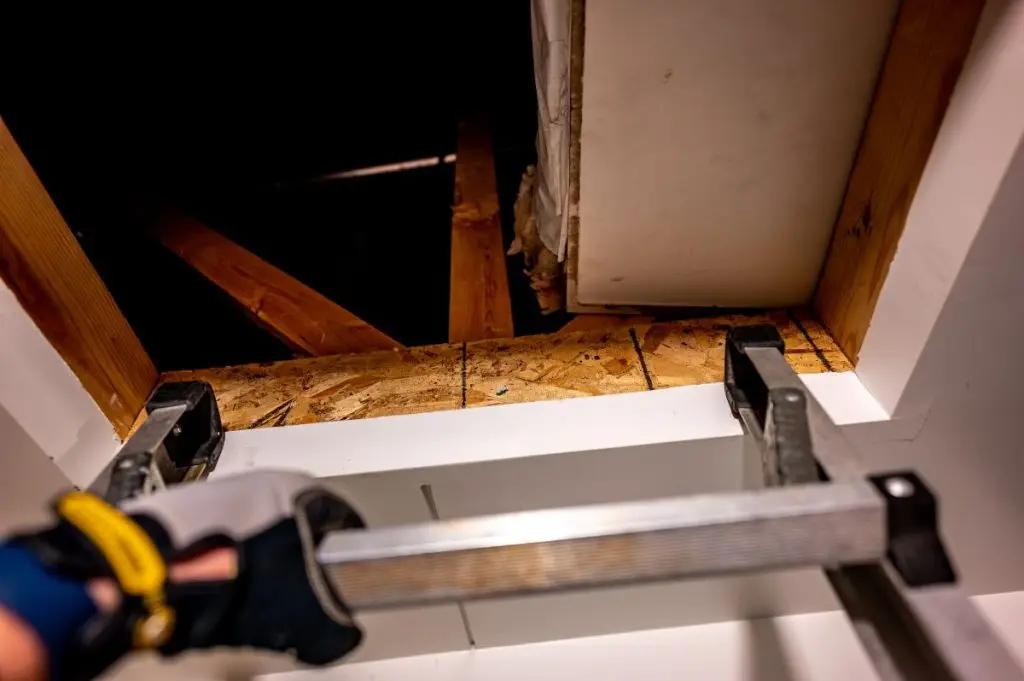
Proper attic ventilation helps regulate temperature and moisture, both of which play a role in preventing ice dams and interior condensation during winter. A fall inspection is a good time to check that vents are clear and insulation is in good condition.
- Insufficient insulation can lead to uneven roof temperatures that encourage ice dam formation
- Blocked vents reduce airflow and can trap moisture in the attic
- Signs of past moisture, such as staining or mold, should be addressed before winter
5. Roof Deck and Structural Integrity
The roof deck is the layer beneath the shingles, and any soft spots or sagging can indicate underlying damage that needs attention before it worsens under the weight of snow. This is one of the more serious checks to include in a fall inspection.
- Walking the attic floor can reveal soft or spongy spots in the decking
- Visible sagging from the exterior often points to long-term water damage
- Structural issues should be addressed by a professional before winter loads add stress
6. Skylights and Roof Penetrations
Any point where something passes through the roof, such as skylights, pipes, or vents, is a potential entry point for water if not properly sealed. These areas are worth a close check since they are easy to overlook compared to the main roof surface.
- Check the seal around skylight edges for cracking or gaps
- Inspect pipe boots for wear, since rubber components degrade over time
- Address any small gaps now before winter moisture finds its way in
7. Signs of Pest or Animal Activity
Fall is a common time for animals to look for warm places to nest, and a compromised roof can provide easy access. Checking for signs of pest activity during your inspection helps prevent additional damage over the winter months.
- Look for chewed or damaged areas near the roof edge or soffits
- Check the attic for nesting materials or droppings
- Address any entry points promptly to prevent further access
8. Overall Roof Age and Remaining Lifespan
Even a roof without obvious damage benefits from an honest assessment of its overall age and condition heading into winter. Older roofs nearing the end of their expected lifespan may need closer monitoring or a replacement conversation before severe weather arrives.
- Most asphalt shingle roofs last between 20 and 30 years depending on materials and maintenance
- A roof nearing the end of its lifespan is more vulnerable to winter stress
- A professional assessment can give a clearer picture of how much life your roof has left
Areas Homeowners Often Overlook
Beyond the main roof surface, there are several less obvious areas that deserve attention during a fall inspection. These spots are easy to miss but can lead to significant issues if ignored.
Soffit and Fascia
The soffit and fascia along the roofline protect the edges of your roof and provide ventilation for the attic. Damage here often goes unnoticed until it leads to bigger problems with moisture or pest intrusion.
- Cracked or rotting fascia: Often a sign of long-term gutter overflow or moisture exposure
- Damaged soffit vents: Can restrict airflow and contribute to attic moisture issues
- Peeling paint or discoloration: Early indicators of trapped moisture behind the surface
Chimney Condition
A chimney that has not been checked in a while can develop cracks in the crown or deteriorating mortar joints, both of which allow water intrusion during winter freeze thaw cycles.
Valleys and Low Slope Areas
Roof valleys and areas with a lower slope tend to collect more debris and hold water longer than the rest of the roof, making them more prone to leaks if not properly maintained.
Homeowners in Natrona Heights and surrounding areas who include these overlooked areas in their fall checklist tend to catch problems that a quick glance from the ground would easily miss.
Professional Inspection vs DIY Roof Check
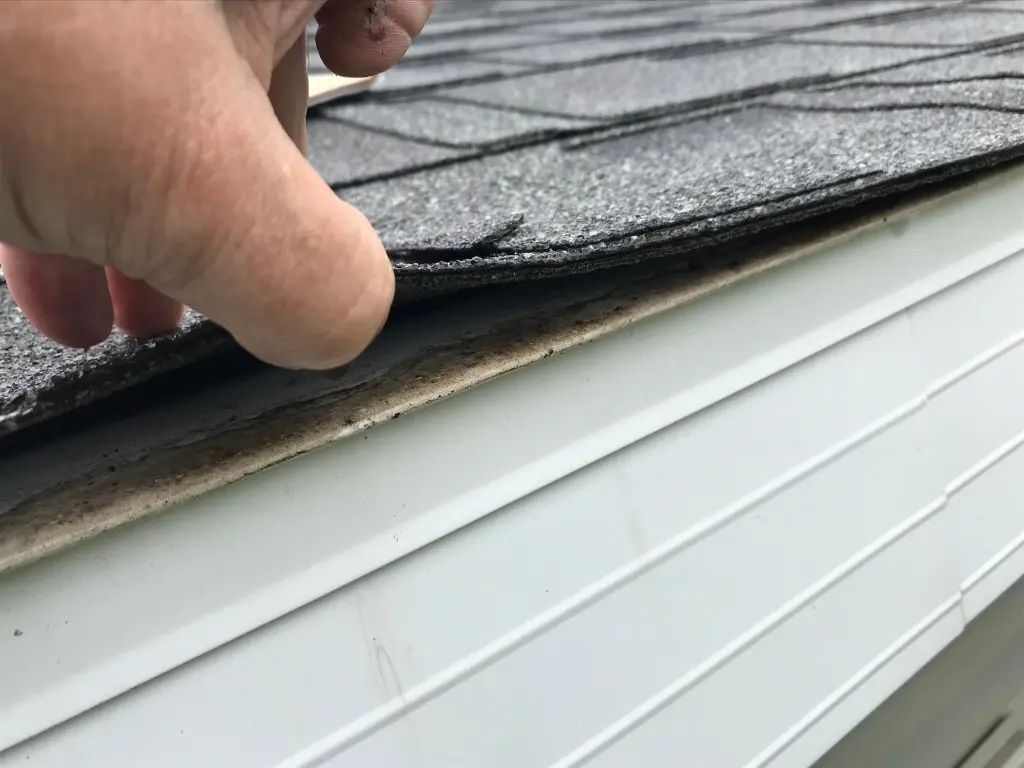
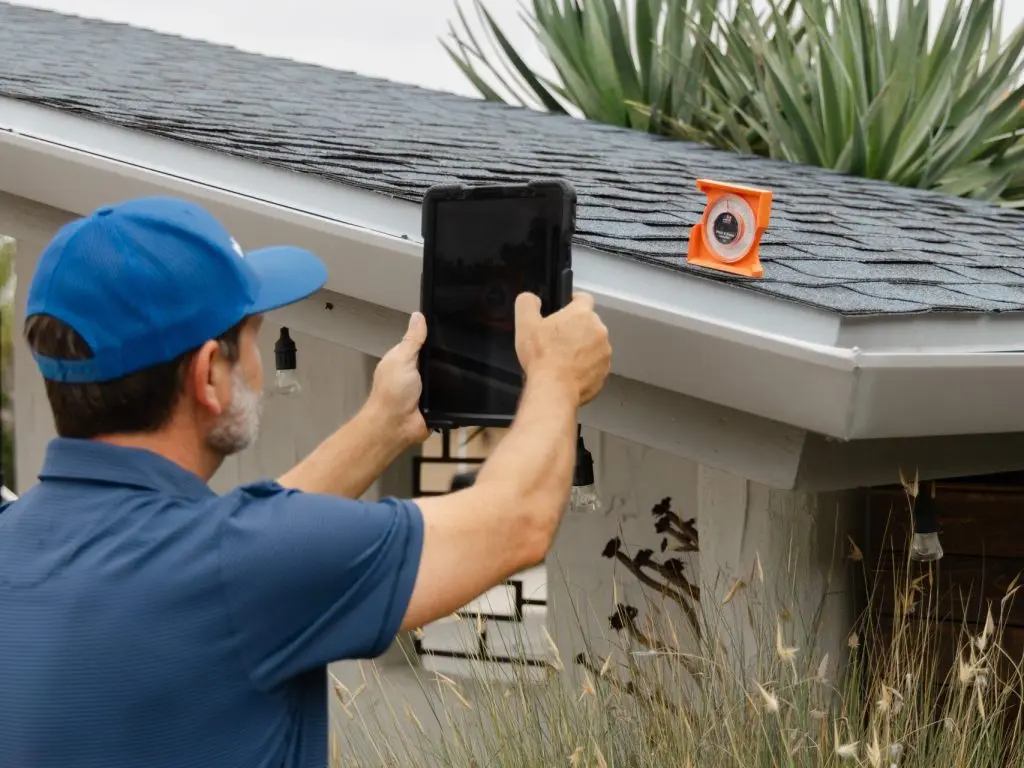
Many homeowners wonder whether a quick walk around the yard is enough, or if a professional inspection is really necessary before winter. The comparison below highlights the differences between the two approaches.
| Factor | DIY Visual Check | Professional Inspection |
| Shingle condition | Visible issues from the ground | Close up assessment of wear and damage |
| Flashing and seals | Difficult to assess without roof access | Thoroughly checked at every penetration point |
| Attic and insulation | Possible if attic is accessible | Combined with exterior findings for full picture |
| Structural concerns | Often missed until severe | Identified early through proper inspection |
| Documentation | Informal, if any | Detailed report with photos |
| Safety | Risk of improper roof access | Performed with proper safety equipment and training |
While a DIY check is a reasonable first step, it has clear limitations compared to a trained professional who knows exactly where problems tend to hide. A professional inspection also provides documentation that can be useful for insurance purposes or future reference.
- Best for peace of mind: A professional inspection covers areas a homeowner may not think to check
- Best for accuracy: Trained inspectors can distinguish between cosmetic wear and real structural concerns
- Best for long-term savings: Catching issues early prevents more expensive emergency repairs during winter
Get Your Roof Ready Before the First Frost
Fall is the ideal window to catch roofing issues before winter weather turns small problems into major repairs. From shingles and flashing to attic ventilation and gutters, a thorough inspection covers every area that plays a role in keeping your home protected through the coldest months of the year.
Community Pro Roofing has helped homeowners throughout the region prepare their roofs for winter with thorough, professional inspections. If it has been a while since your last checkup or you want peace of mind before the snow starts falling, contact us today to schedule your fall roof inspection.