
 (412) 667-2539
  (412) 667-2539
Roof Types: 7 Common Styles and How to Choose the Best

08.21.26

7 Minute Read
Not all roofs are built the same, and the style you choose affects everything from curb appeal to long-term durability. Understanding the different roof types available helps homeowners make a confident decision instead of guessing based on looks alone. Whether you are planning a full replacement or simply exploring your options, working with a team experienced in full-service exterior work makes it easier to find the style that fits your home and budget. The right choice today can save you money and headaches for decades to come.
In this guide, you will learn:
- Why choosing the right roof type matters beyond appearance
- Seven common roof styles and what makes each one unique
- How climate and home design should influence your decision
- Ways to compare cost, durability, and maintenance across roof types
- Practical tips for narrowing down the best option for your home
Why Choosing the Right Roof Type Matters
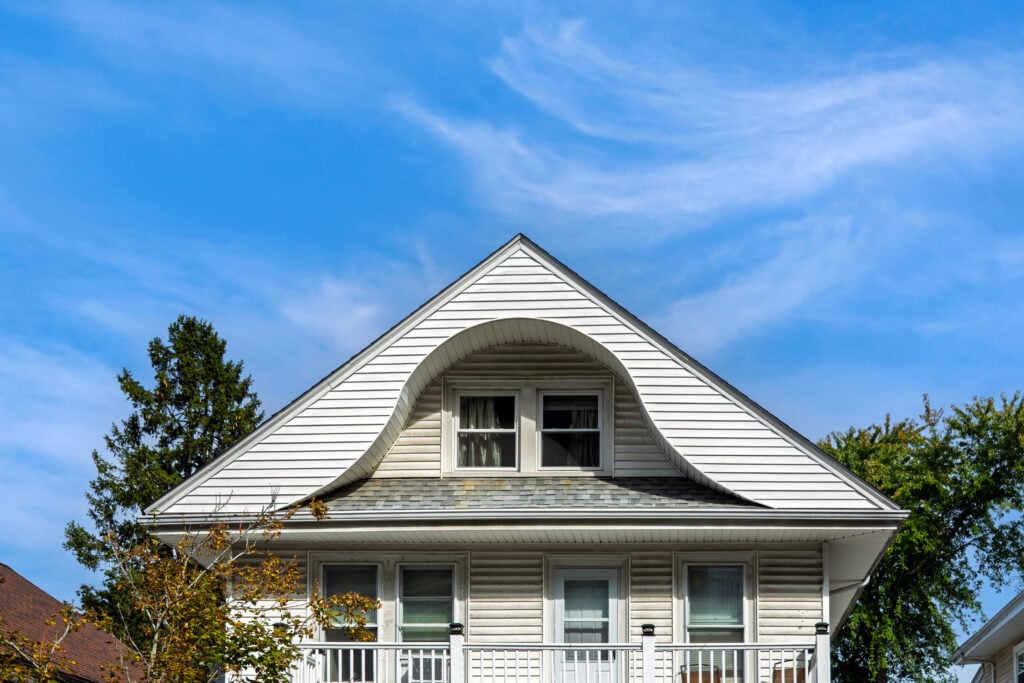
A roof does far more than sit on top of your house. It protects everything underneath it from weather, regulates ventilation, and plays a major role in your home’s overall value. Choosing the wrong style or material for your climate and home design can lead to premature wear, higher energy bills, and costly repairs down the line.
- Durability: Certain roof types hold up better against wind, hail, or heavy snow depending on your region.
- Energy efficiency: Some styles and materials reflect heat more effectively, helping regulate indoor temperatures.
- Home value: A well-matched roof style can boost curb appeal and resale value significantly.
- Maintenance needs: Some roof types require more frequent upkeep than others, which affects long-term costs.
- Compatibility: Not every roof style works with every home design, so matching form and function matters.
Homeowners in Monroeville and surrounding areas deal with a mix of heavy rain, snow, and seasonal temperature swings, all of which make roof type selection an especially important decision for long-term performance.
7 Common Roof Types and What Makes Them Unique
Understanding the differences between roof styles helps you narrow down what will work best for your home. Below are seven of the most common types homeowners consider.
1. Gable Roofs
Gable roofs are among the most recognizable styles, featuring two sloped sides that meet at a ridge to form a triangular shape. Their simple design makes them cost effective to build and easy to maintain.
- Excellent water and snow runoff due to the steep slope
- Provides extra attic space and ventilation
- Can be vulnerable to high winds if not properly braced
2. Hip Roofs
Hip roofs slope on all four sides, meeting at a ridge or a single point depending on the home’s shape. This design offers excellent stability, especially in areas prone to strong winds.
- More structurally stable than gable roofs in windy conditions
- Provides consistent overhangs on all sides for better protection
- Typically costs more to build due to the complexity of the design
3. Gambrel Roofs
Often associated with barns, gambrel roofs feature two slopes on each side, with the lower slope being steeper than the upper one. This design maximizes interior space, making it popular for homes wanting extra room in the upper level.
- Offers additional living or storage space compared to traditional styles
- Less resistant to heavy snow loads than steeper designs
- Requires proper reinforcement in areas with strong winds
4. Mansard Roofs
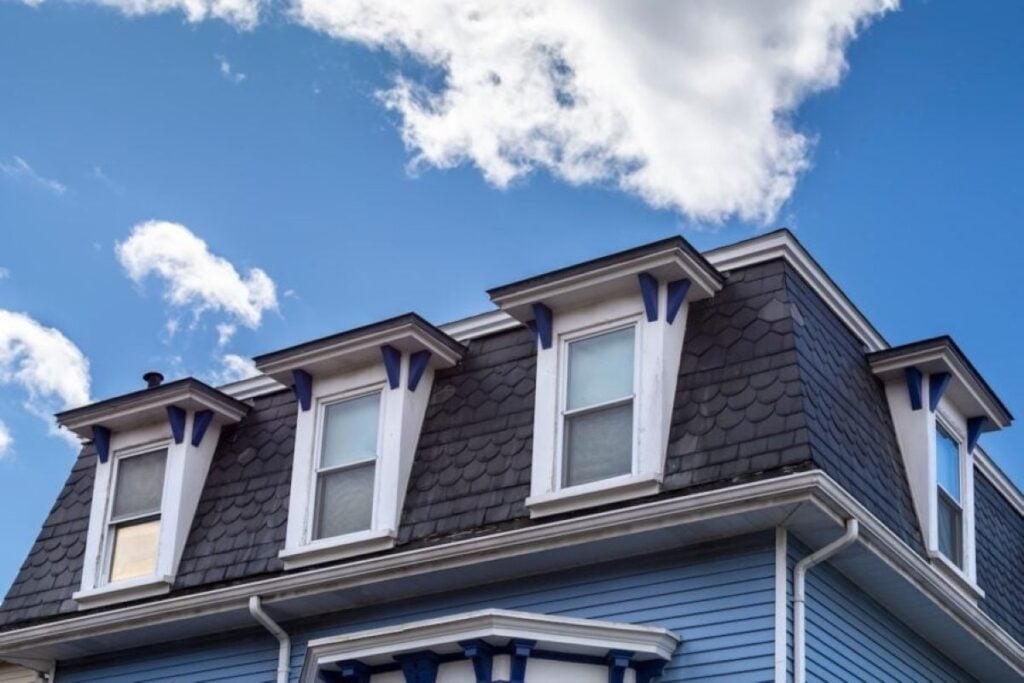
Mansard roofs have four sloped sides with two slopes on each, similar to a gambrel but wrapping around the entire structure. This style is often seen in older or more formal architectural designs.
- Maximizes usable attic or upper floor space
- Adds a distinctive, elegant appearance to a home
- Can be more expensive to install and maintain due to its complexity
5. Flat Roofs
While not entirely flat, these roofs have a very low slope and are common on modern homes and additions. They offer a clean, minimalist look but require careful attention to drainage.
- Often used for additional outdoor living space, such as rooftop patios
- Requires proper waterproofing to prevent pooling and leaks
- Generally needs more frequent inspections than steeply pitched roofs
6. Shed Roofs
Shed roofs consist of a single sloping surface, often used for additions, porches, or modern home designs. Their simplicity makes them budget friendly and quick to install.
- Great for directing water and snow off to one side efficiently
- Works well for smaller structures or home additions
- Less common for full sized primary homes compared to other styles
7. Combination Roofs
Many modern homes use a mix of roof styles to accommodate unique architectural features, such as a primary gable roof with a smaller hip section over a garage. This approach offers design flexibility while maintaining functional performance.
- Allows for creative architectural design
- Can address specific drainage or structural needs in different sections
- Often requires a more experienced contractor to install correctly
Matching Roof Type to Your Climate and Home Design
Beyond personal style preference, the roof type you choose should take your local climate and home’s architectural design into account. Ignoring these factors can lead to performance issues down the road.
Climate Considerations
- Heavy snow areas: Steeper slopes like gable or gambrel roofs help shed snow more effectively
- High wind regions: Hip roofs offer better structural stability during storms
- Rainy climates: Proper drainage design matters more than style, particularly for flat roofs
- Hot climates: Reflective materials paired with adequate ventilation help reduce cooling costs
Architectural Compatibility
Certain roof styles naturally complement specific home designs. A colonial style home often pairs well with a classic gable roof, while more modern builds may lean toward flat or shed designs. Working with an experienced contractor helps ensure the roof style you choose looks intentional rather than mismatched.
- Ranch style homes often work well with low pitched gable or hip roofs
- Farmhouse style homes frequently feature gambrel or gable designs
- Contemporary homes increasingly use flat or shed roof combinations
Homeowners in Monroeville and surrounding areas often find that blending traditional roof types with modern materials gives them the best of both durability and style.
Comparing Roof Types by Cost, Durability, and Maintenance
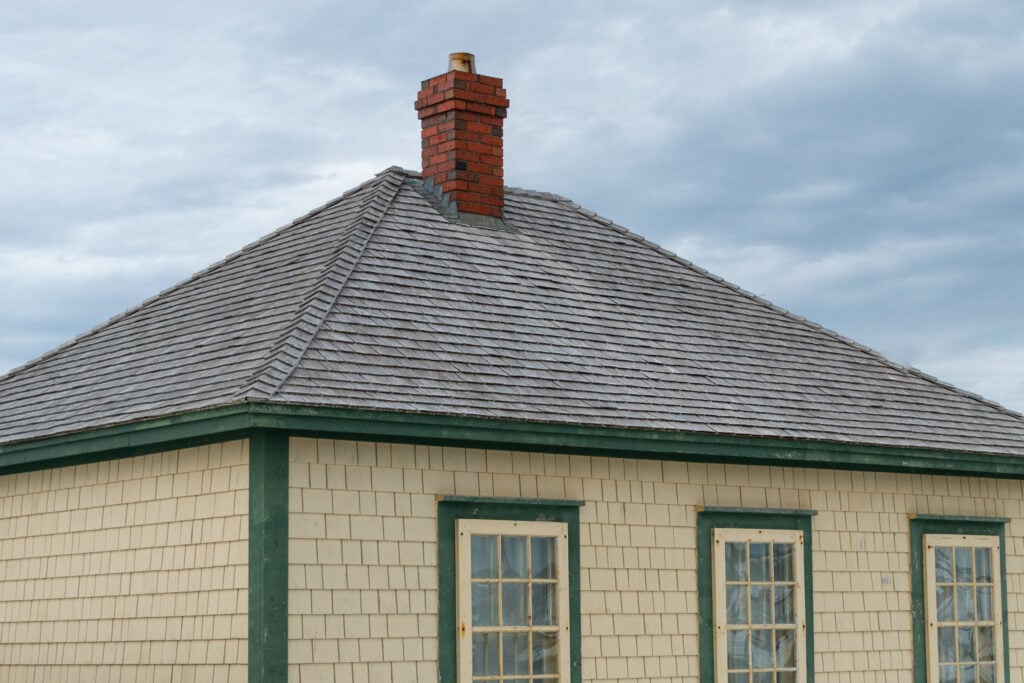
Choosing between roof types often comes down to balancing upfront cost with long-term performance. The comparison below highlights how common styles stack up against each other.
| Roof Type | Relative Cost | Durability | Maintenance Level |
| Gable | Low | High | Low |
| Hip | Moderate to High | Very High | Low to Moderate |
| Gambrel | Moderate | Moderate | Moderate |
| Mansard | High | Moderate | High |
| Flat | Low to Moderate | Moderate | High |
| Shed | Low | Moderate to High | Low |
While cost is often the first factor homeowners consider, durability and maintenance needs play a major role in the total cost of ownership over the life of the roof.
- Best value for most homes: Gable roofs offer a strong balance of affordability and durability
- Best for storm prone areas: Hip roofs provide added stability against wind
- Best for maximizing space: Gambrel and mansard styles offer more usable interior room
- Best for modern designs: Flat and shed roofs suit contemporary architectural styles, provided drainage is properly addressed
Ultimately, the best roof type depends on your specific home, budget, and priorities, which is why a professional assessment can make the decision process much easier.
Find the Right Roof Type for Your Home
Choosing a roof type is one of the most important decisions a homeowner will make, affecting everything from curb appeal to long-term protection against the elements. Taking the time to understand your options, and how they align with your climate and home design, sets you up for a roof that performs well for decades.
Community Pro Roofing has helped homeowners throughout the region navigate these decisions with confidence, guiding them toward the roof type that fits their home and budget. If you are planning a replacement or simply exploring your options, contact us today to talk through the best roofing style for your home.
