
 (412) 667-2539
  (412) 667-2539
Roof Underlayment: 5 Types and Why It Matters for Your Roof

05.22.26

7 Minute Read
Roof underlayment is one of the most important layers in a roofing system, even though homeowners rarely see it once a roof is installed. Positioned between the roof deck and roofing material, underlayment acts as a secondary moisture barrier that helps protect your home from water infiltration, wind-driven rain, and long-term roof damage. Choosing the right underlayment can improve durability, extend the life of your roof, and provide added protection during severe weather.
- Purpose: Protects the roof deck from moisture and leaks
- Installed beneath: Shingles, metal roofing, and other roofing materials
- Helps prevent: Water infiltration and structural damage
- Important for: Long-term roof performance and durability
What Is Roof Underlayment?
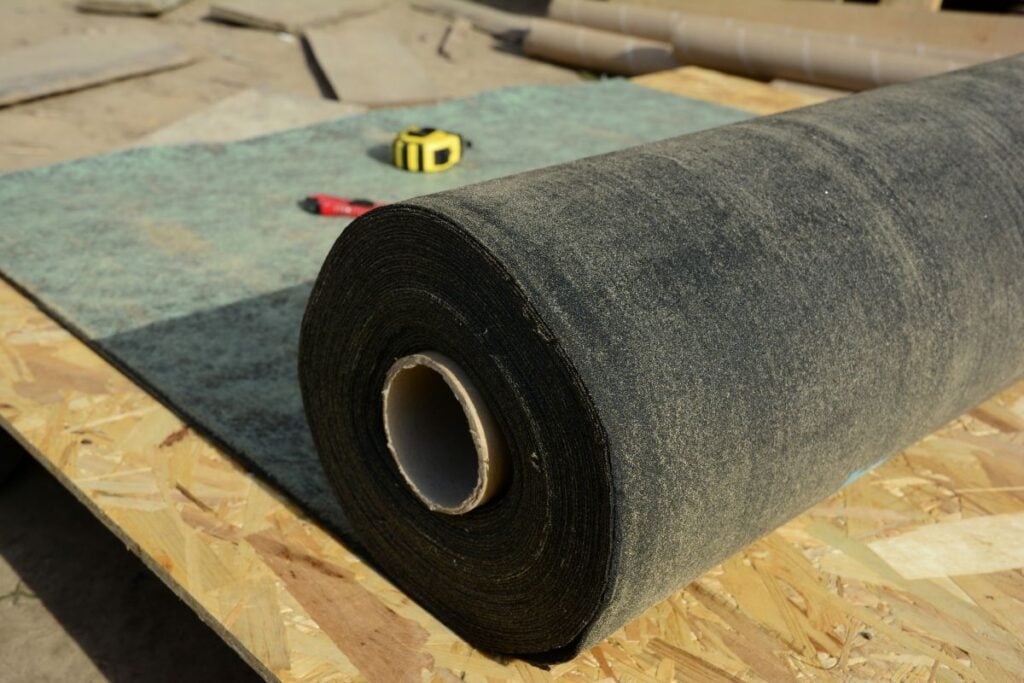
Roof underlayment is a protective layer installed directly over the roof deck before shingles or other roofing materials are applied. Its main purpose is to create an extra barrier against moisture in case water gets beneath the outer roofing material.
Without underlayment, your roof deck would be more vulnerable to leaks caused by wind-driven rain, damaged shingles, ice dams, or aging roofing materials. It also helps protect the home during roof installation before the final roofing material is fully secured.
Why Roof Underlayment Matters
Many homeowners focus on shingles when thinking about roofing systems, but underlayment plays a major role in protecting the structure underneath.
- Adds moisture protection: Helps block water from reaching the roof deck
- Protects against leaks: Reduces the risk of water infiltration beneath shingles
- Improves roof lifespan: Helps preserve structural components over time
- Provides temporary weather protection: Shields the roof during installation
- Supports energy efficiency: Some underlayments help reduce heat transfer
A properly installed underlayment helps create a stronger, longer-lasting roofing system that performs better in changing weather conditions.
5 Common Types of Roof Underlayment
There are several types of roof underlayment available, each with different benefits depending on the roof type, climate, and budget.
1. Asphalt-Saturated Felt
Often called felt paper or tar paper, this traditional underlayment has been used for decades.
- Affordable option: Lower upfront material cost
- Available in different weights: Commonly #15 or #30 felt
- Basic moisture protection: Helps resist water penetration
While felt underlayment is still widely used, it is generally less durable than modern synthetic materials.
2. Synthetic Underlayment
Synthetic underlayment has become increasingly popular because of its durability and lightweight design.
- More tear-resistant: Holds up better during installation
- Lightweight material: Easier for roofing crews to handle
- Improved water resistance: Better protection against moisture
Many roofing professionals recommend synthetic underlayment because it performs well in a wide range of weather conditions.
3. Rubberized Asphalt Underlayment
This premium option offers enhanced waterproofing and protection in vulnerable areas.
- Self-adhering material: Creates a watertight seal
- Excellent moisture protection: Helps prevent leaks around penetrations
- Common near valleys and eaves: High-risk leak areas
Rubberized asphalt underlayment is often used in areas prone to ice dams or heavy rain.
4. Peel-and-Stick Underlayment
Peel-and-stick products are designed for additional waterproofing protection.
- Strong adhesion: Seals directly to the roof deck
- Helps seal around nails: Reduces leak risks
- Ideal for vulnerable roof areas: Often used beneath metal roofing systems
These systems are especially effective in areas exposed to severe weather or high moisture levels.
5. Specialized Underlayment for Metal Roofs
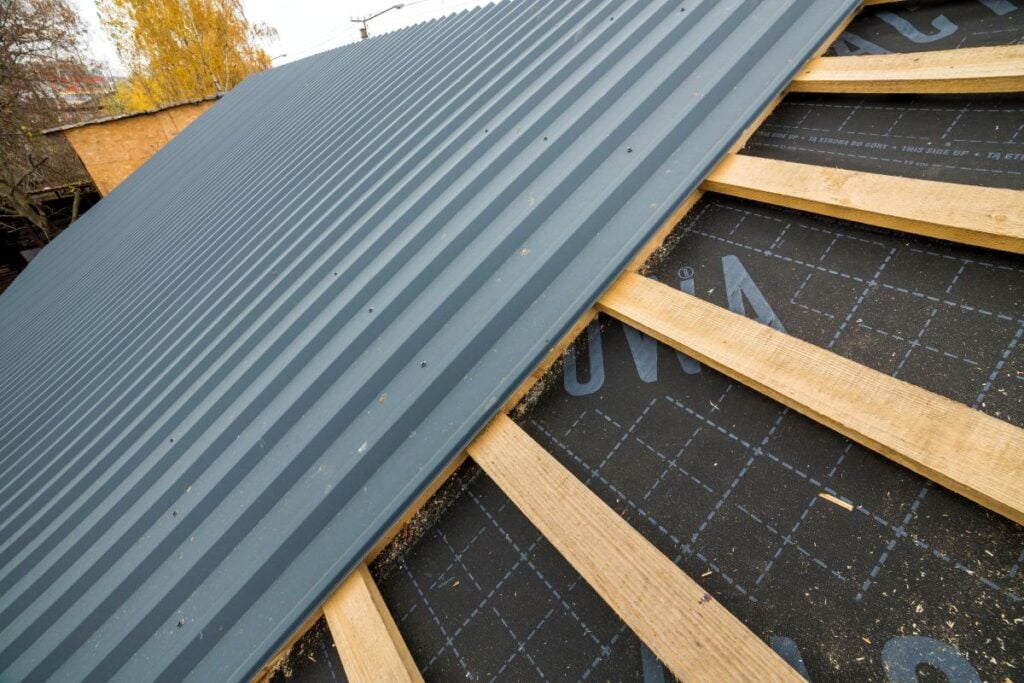
Some roofing systems require underlayments specifically designed for compatibility with metal roofing materials.
- Heat-resistant materials: Designed for high-temperature conditions
- Reduces condensation issues: Important beneath metal panels
- Improves system performance: Supports long-term durability
Using the correct underlayment for metal roofing helps improve moisture control and overall roof performance.
Factors That Affect Underlayment Choice
Not every roofing system requires the same type of underlayment. Several factors influence which option is best for your home.
| Factor | Why It Matters |
| Roofing material | Different systems require different protection |
| Climate conditions | Rain, snow, and heat affect performance |
| Roof slope | Lower slopes may need stronger waterproofing |
| Budget | Premium materials increase upfront cost |
| Local building codes | Some underlayments are code-required |
Choosing the right underlayment helps ensure your roof performs properly for years to come.
Signs Your Roof Underlayment May Be Failing
Although underlayment is hidden beneath roofing materials, there are warning signs that it may be damaged or deteriorating. According to the Insurance Institute for Business & Home Safety, 65% of water that hits an exposed roof deck will enter the home, causing two to three times more damage than the initial weather event — which is precisely why a failing underlayment that leaves the deck exposed is one of the most urgent roofing issues a homeowner can face.
- Recurring roof leaks: Water entering beneath shingles
- Moisture in the attic: Damp insulation or musty odors
- Water stains on ceilings: Indicates possible water infiltration
- Sagging roof deck: Long-term moisture damage
- Aging roofing system: Older roofs often have worn underlayment
If underlayment fails, water can eventually reach the roof deck and cause larger structural problems.
Roof Underlayment and Roof Replacement
Underlayment is typically replaced during a roof replacement project. Installing new shingles over damaged or outdated underlayment can lead to leaks and shorten the lifespan of the roof.
During a roof replacement, roofing professionals inspect the roof deck, remove old materials, and install updated underlayment before applying new roofing material. This helps ensure the entire roofing system is properly protected from moisture and weather exposure.
What Are the Pros and Cons of Different Roof Underlayment Types?
Each type of roof underlayment has its own advantages and drawbacks depending on your budget, roofing material, and climate conditions.
- Asphalt-saturated felt: Felt underlayment is affordable and has been used for decades, making it a common choice for many roofing systems. However, it is more prone to tearing, wrinkling, and absorbing moisture when exposed to wet conditions.
- Synthetic underlayment: Synthetic underlayment is lighter, easier to install, and offers superior moisture resistance and durability compared to felt. It also performs better in regions with high winds or harsh UV exposure. However, it typically costs 30% to 40% more than felt underlayment.
- Rubberized asphalt underlayment: This option provides excellent waterproofing and leak protection, especially around vulnerable roof areas like valleys and penetrations, though it comes at a higher material cost.
- Peel-and-stick underlayment: Peel-and-stick systems create a strong watertight seal and help protect against water infiltration, but installation can increase labor time and project costs.
It is also important to note that while synthetic underlayment offers strong performance benefits, some local building codes may limit or regulate its use depending on the area and roofing application.
Frequently Asked Questions About Roof Underlayment
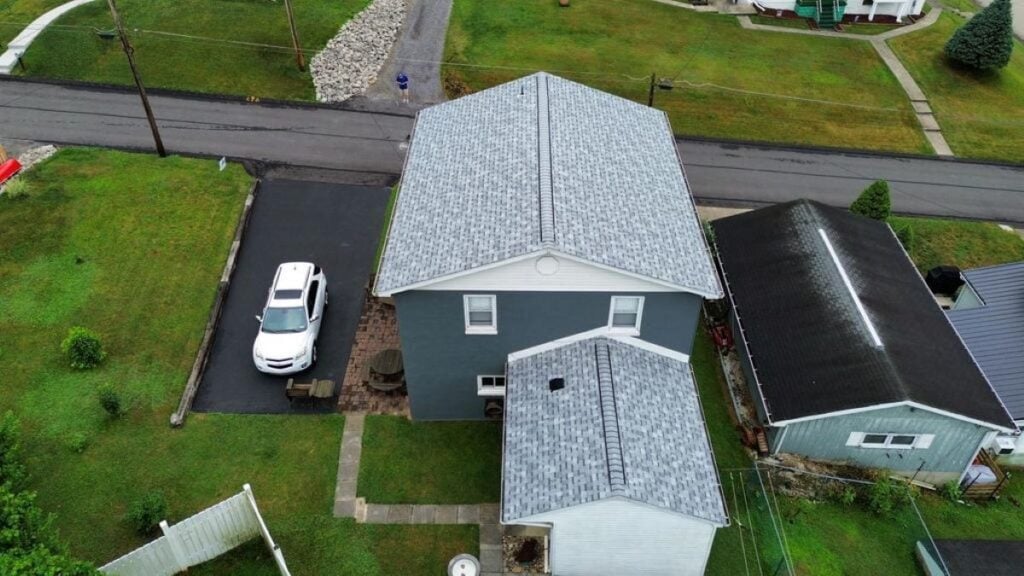
Homeowners often have questions about how roof underlayment works and why it matters during a roof replacement. Understanding its role can help you make better decisions about your roofing system and long-term protection.
Is roof underlayment required?
Yes. Most roofing systems require underlayment to meet building codes and provide moisture protection beneath the roofing material.
What is the best type of roof underlayment?
The best option depends on the roofing system, climate, and budget. Synthetic underlayment is one of the most commonly recommended choices due to its durability and water resistance.
How long does roof underlayment last?
Lifespan varies by material, but many modern synthetic underlayments can last 20 years or more when properly installed.
Can roof underlayment prevent leaks?
Underlayment helps reduce the risk of leaks by acting as a secondary barrier beneath shingles or metal roofing materials.
Is underlayment replaced with a new roof?
Yes. Underlayment is usually replaced during a roof replacement to ensure the new roofing system has proper moisture protection.
Community Pro Roofing: Roofing Systems Built to Last
A strong roof starts with more than just shingles. At Community Pro Roofing, we install complete roofing systems designed to protect your home from moisture, weather damage, and long-term wear.
Whether you need a roof replacement, inspection, or help understanding the best roofing materials for your home, our team is here to help. Contact us today to schedule an estimate and learn more about the importance of quality roof underlayment.
