 (412) 667-2539
  (412) 667-2539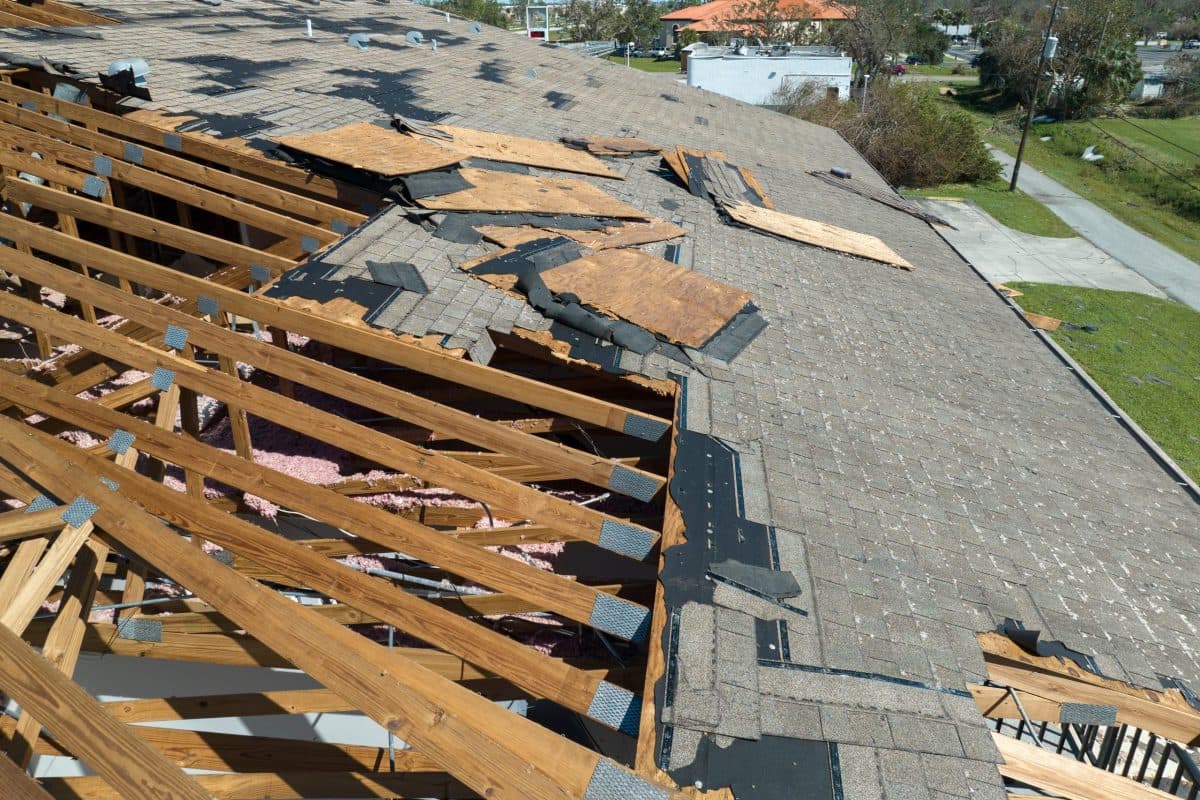
Storm Damage Roof Repair: 6 Steps to Take Before Winter

09.16.26

8 Minute Read
A storm can undo years of wear and tear on a roof in a matter of minutes, leaving behind damage that is not always obvious from the ground. Acting quickly on storm damage roof repair before winter arrives helps prevent small issues from turning into major leaks once snow and ice set in. Working with a team experienced in emergency exterior recovery makes it easier to assess the damage properly and get repairs done before the weather turns against you. Knowing the right steps to take can save both time and money when it matters most.
In this guide, you will learn:
- Why addressing storm damage before winter is so important
- Six practical steps to take after a storm damages your roof
- Ways to strengthen your roof against future storm damage
- How storm repair timelines compare between fall and winter
- Practical tips for working with insurance after a storm
Why Storm Damage Roof Repair Before Winter Matters
Storm damage left unaddressed does not simply sit still until you get around to it. Wind, hail, and heavy rain can create small openings that worsen with every additional storm, and once winter arrives, freezing temperatures make repairs more difficult and often more expensive.
- Leak prevention: Damaged shingles or flashing left unrepaired give water an easy path into your home during winter precipitation.
- Structural protection: Snow and ice add significant weight to a roof, which a storm damaged structure may not be able to handle safely.
- Cost control: Repairing storm damage in fall is typically less expensive than emergency repairs during a winter storm.
- Insurance timing: Many policies have windows for filing claims, and documenting damage promptly helps ensure a smoother process.
- Energy efficiency: Storm damage can compromise insulation and ventilation, leading to higher heating costs once temperatures drop.
Homeowners in Springdale and surrounding areas often deal with a mix of high wind events and hailstorms throughout late summer and early fall, making this the critical window to address any resulting roof damage before winter weather complicates repairs.
6 Steps to Take After Storm Damage Before Winter
Knowing what to do immediately after a storm, and how to follow through before winter arrives, makes a significant difference in how smoothly the repair process goes. Here are the steps homeowners should follow.
1. Document the Damage Immediately
As soon as it is safe to do so, take photos and notes of any visible damage to your roof, gutters, and surrounding property. This documentation becomes important for both repair planning and insurance purposes.
- Photograph damaged shingles, dented gutters, or debris on the roof
- Note the date and approximate time of the storm for your records
- Take wide shots of the entire roof as well as close ups of specific damage
2. Schedule a Professional Inspection
Not all storm damage is visible from the ground, which is why a professional inspection is an important next step. A trained eye can identify issues like bruised shingles or compromised flashing that might otherwise go unnoticed until a leak develops.
- Hail damage often shows up as small dents or bruising on shingles
- Wind damage can lift shingles without fully detaching them, making it harder to spot
- An inspection also identifies any secondary damage to gutters, vents, or flashing
3. Address Emergency Repairs First
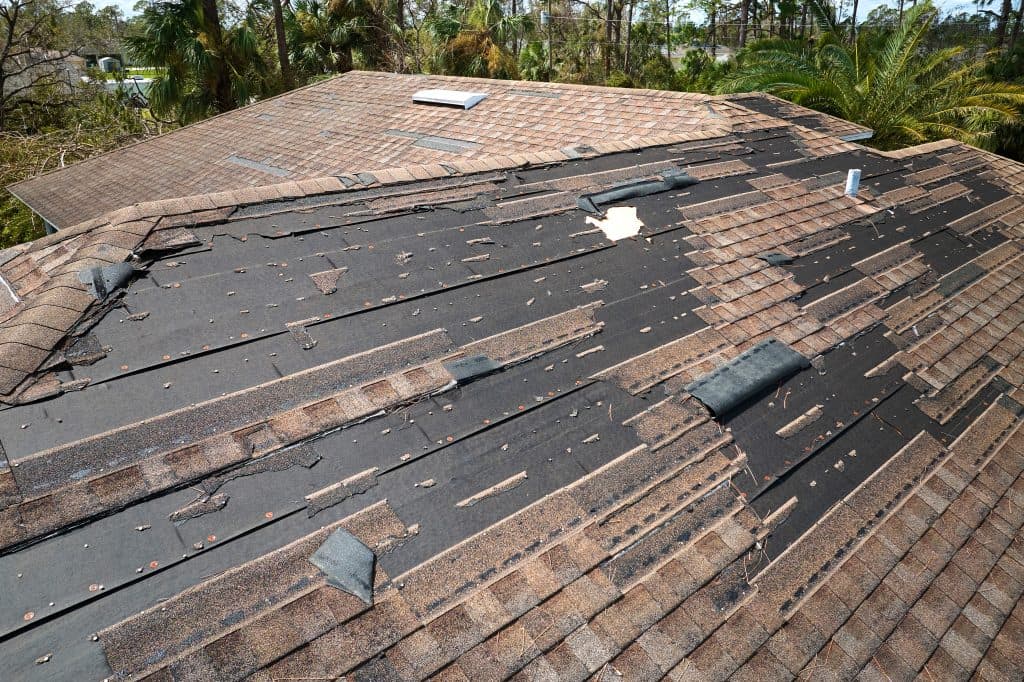
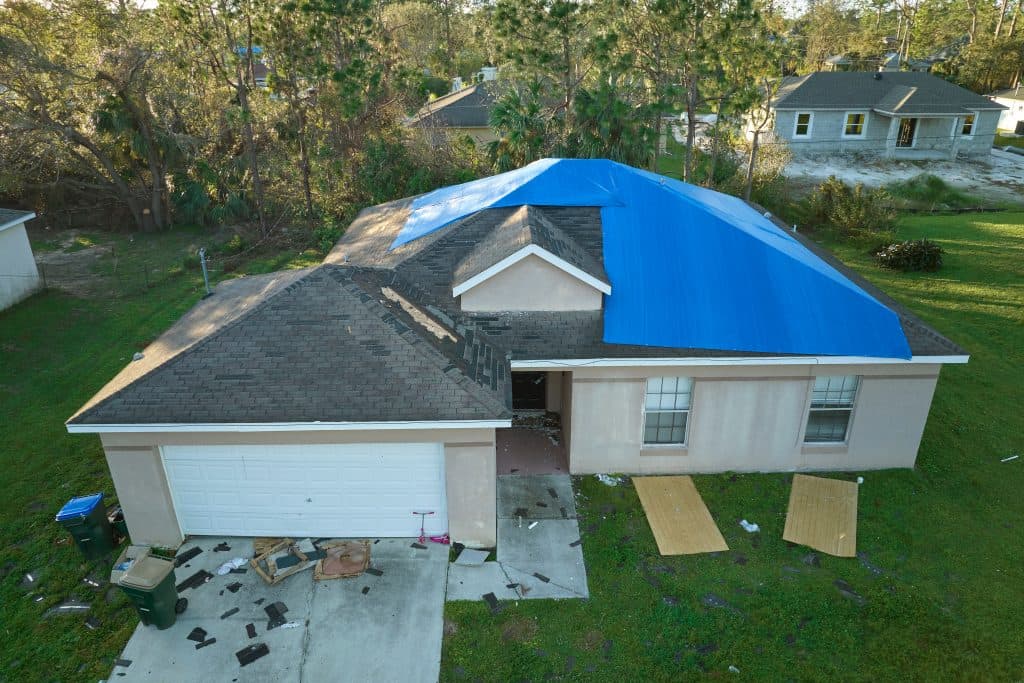
If the inspection reveals any openings that could let water in, those issues should be addressed immediately, even if the full repair takes longer to schedule. Temporary measures can prevent further damage while the complete repair is planned.
- Tarping exposed areas prevents water intrusion during the interim
- Securing loose shingles or flashing reduces the risk of further wind damage
- Addressing emergency repairs quickly can prevent a small issue from becoming a much larger one
4. File Your Insurance Claim Promptly
Once damage has been documented and assessed, filing an insurance claim as soon as possible helps keep the repair process moving before winter weather adds complications. Delaying a claim can sometimes affect coverage, depending on your policy’s terms.
- Provide your documented photos and the professional inspection report to your insurance company
- Keep records of all communication with your insurance adjuster
- Ask about any deadlines tied to your specific policy for filing storm related claims
5. Schedule Repairs Before the Weather Turns
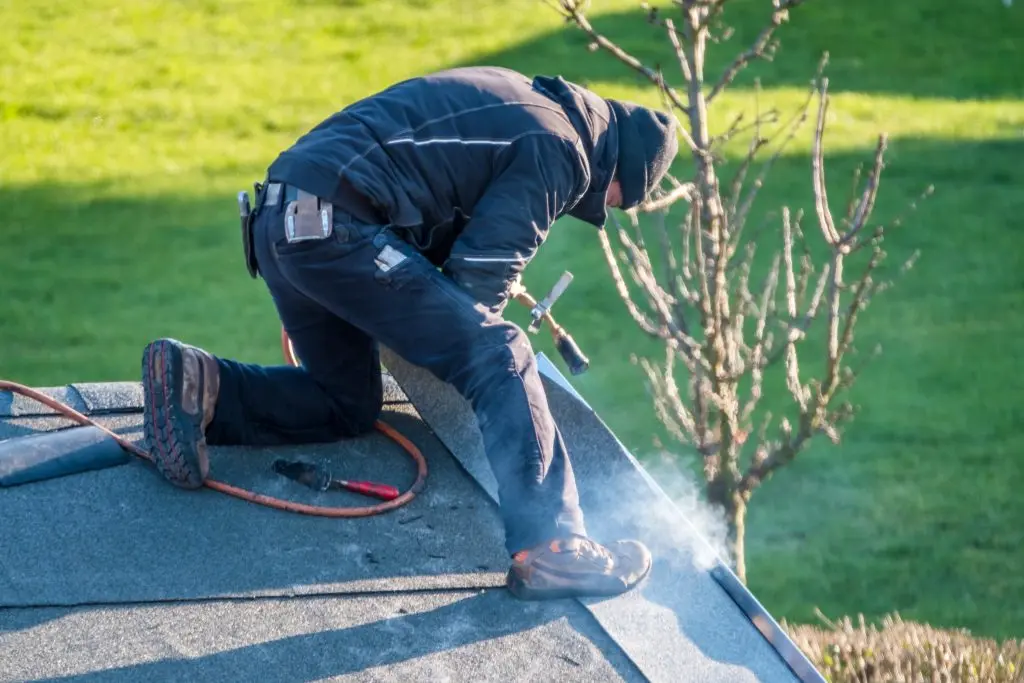
Once a claim is approved or repairs are otherwise planned, scheduling the work before winter arrives is important, since many roofing materials are more difficult to install properly in cold temperatures. Waiting too long can mean facing a compromised roof through the entire winter season.
- Fall scheduling tends to fill up quickly after major storms
- Cold weather can affect shingle sealing and overall installation quality
- Prioritizing repairs before the first hard freeze helps ensure a proper, lasting fix
6. Conduct a Final Walkthrough
Once repairs are complete, a final walkthrough with your contractor helps confirm that all damage has been properly addressed and that the roof is ready to handle winter weather. This is also a good opportunity to ask any remaining questions about warranties or future maintenance.
- Confirm that all identified damage areas were repaired to your satisfaction
- Review any warranty information provided for the completed work
- Ask about a follow up inspection after the first major winter storm, if appropriate
Strengthening Your Roof Against Future Storm Damage
Beyond repairing existing damage, there are steps homeowners can take to reduce the impact of future storms. Taking a proactive approach helps protect your investment for years to come.
Impact Resistant Materials
- Impact resistant shingles: Designed to withstand hail and debris better than standard shingles
- Reinforced flashing: Higher quality flashing materials hold up better against repeated wind exposure
- Upgraded fasteners: Proper nailing patterns and fastener quality make a meaningful difference during high wind events
Regular Maintenance
Keeping up with routine roof maintenance between storms helps ensure that your roof is in the best possible condition to withstand severe weather when it arrives. Small existing issues can make a roof more vulnerable to storm damage than it would otherwise be.
Tree Trimming
Overhanging branches pose a significant risk during high wind events, and trimming them back reduces the likelihood of falling limbs causing damage to your roof.
Gutter and Drainage Checks
Ensuring gutters are clear and properly draining before storm season helps prevent additional water related damage on top of any direct storm impact to the roof itself.
Homeowners in Springdale and surrounding areas who invest in these preventative measures often find that their roofs hold up noticeably better during severe weather compared to homes without these upgrades.
Fall vs Winter Storm Repair Timelines
Understanding how repair timelines shift between fall and winter can help homeowners see why acting quickly after a storm makes such a difference. The comparison below outlines the key differences.
| Factor | Fall Repair | Winter Repair |
| Material installation | Ideal temperatures for proper shingle sealing | Cold can prevent shingles from sealing correctly |
| Contractor availability | Busier due to post storm demand, but more flexible scheduling | Limited availability, especially during severe weather |
| Repair complexity | Standard repair timelines apply | Snow and ice can delay access to the roof |
| Cost | Generally more predictable pricing | Emergency winter repairs often cost more |
| Risk of further damage | Lower, with time to address issues properly | Higher, since existing damage worsens under winter conditions |
Acting during the fall window whenever possible leads to a smoother, more affordable repair process overall, while waiting until winter often means dealing with limited options and a greater sense of urgency.
- Best case: Address storm damage in the fall before temperatures drop significantly
- Riskier scenario: Waiting until a winter storm forces emergency action
- Worst case: Delaying repairs long enough that secondary damage, such as leaks or structural issues, develops
Navigating Insurance After Storm Damage
Filing a claim after storm damage can feel overwhelming, but understanding the basics helps the process go more smoothly.
- Review your policy: Understand what your policy covers regarding storm damage, including any deductibles
- Keep detailed records: Maintain copies of all photos, inspection reports, and communication with your insurance company
- Work with experienced contractors: A contractor familiar with insurance processes can help ensure documentation meets what adjusters typically require
- Ask questions: Do not hesitate to ask your adjuster or contractor for clarification on anything related to the claims process
Having a clear understanding of these steps helps homeowners feel more confident moving through the repair process after a stressful storm event.
Protect Your Home Before Winter Weather Arrives
Storm damage left unaddressed only gets worse once winter weather sets in, making prompt action essential for protecting your home. From documentation and inspection to timely repairs and preventative upgrades, taking these steps before the first snowfall helps ensure your roof is ready for whatever the season brings.
Community Pro Roofing has helped homeowners throughout the region recover from storm damage quickly and thoroughly, working to get repairs completed before winter weather complicates the process. If your roof has sustained storm damage or you want a professional assessment before the season changes, contact us today to schedule your inspection and repair.