 (412) 667-2539
  (412) 667-2539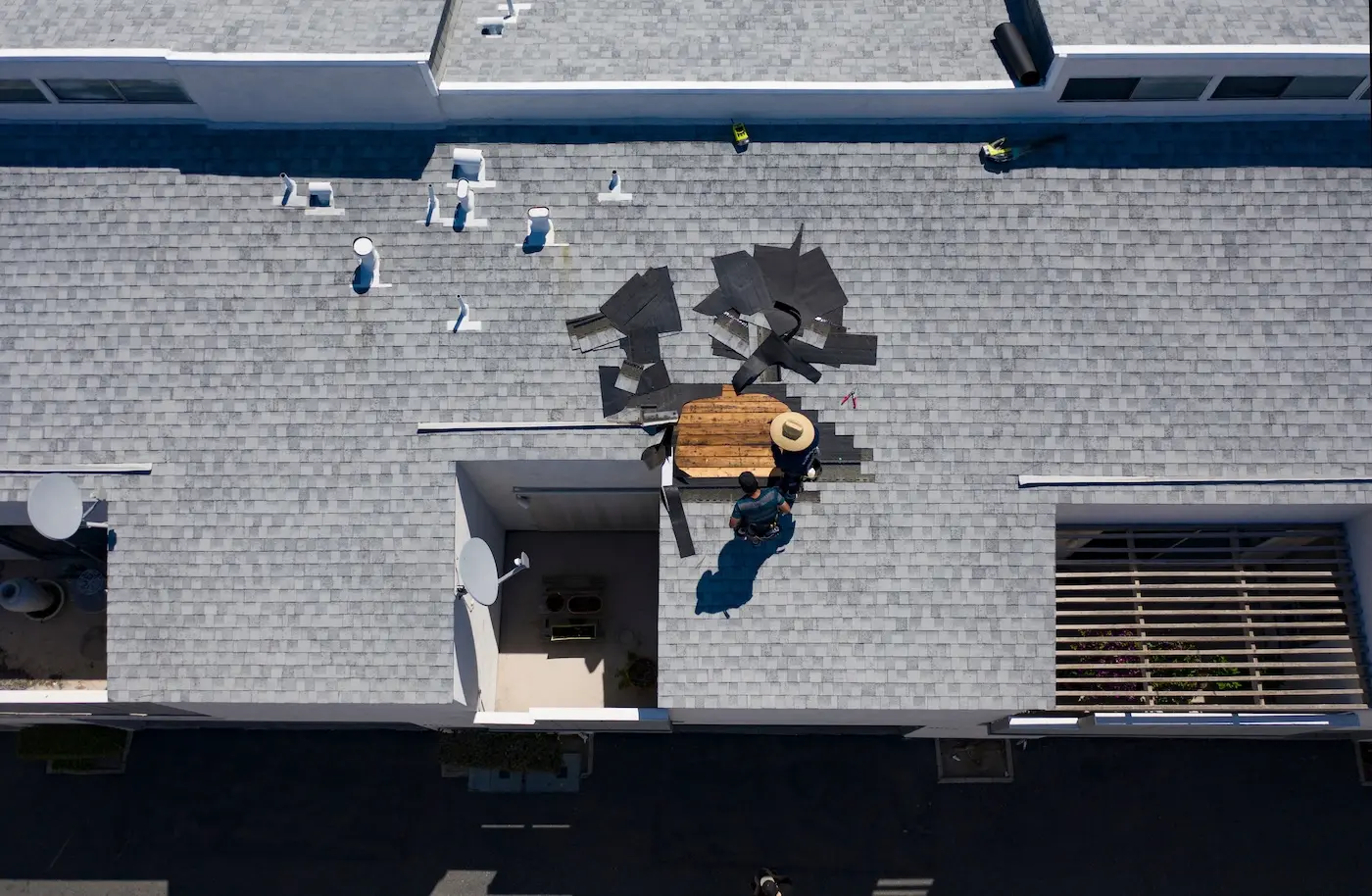
8 Step Roof Leak Repair Guide for Homeowners

01.24.25

8 Minute Read
Roof leak repair is something every homeowner should understand, especially when small issues can quickly turn into major water damage. A leaking roof does not just affect your roof, it can impact your attic, roof deck, and the overall structure of your house if left untreated. Knowing how to identify, assess, and address a leak can help protect your home and extend the life of your roofing system.
- Common causes: Storm damage, aging materials, and poor drainage
- Warning signs: Stains, leaks, and cracked shingles
- Repair process: Step-by-step approach to fixing issues
- When to call help: Knowing when a roofing professional is needed
What Causes Roof Leaks in the First Place
Roof leaks rarely happen without warning. In most cases, they develop due to wear over time, exposure to rain and changing weather, or poor maintenance. Identifying the cause early helps prevent repeat issues and protects your home from more extensive damage.
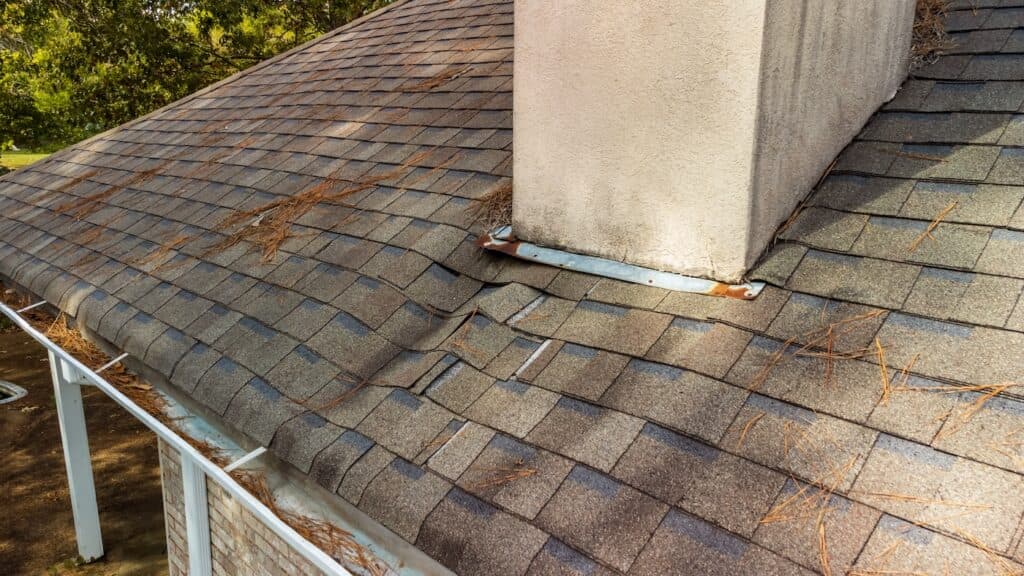
- Damaged or missing shingles: Shingles act as your roof’s first barrier against water. When they are cracked shingles, lifted, or missing, moisture can reach the underlayment and begin causing damage beneath the surface.
- Clogged gutters: Blocked gutters prevent proper drainage and allow water to collect on the roof. Over time, this standing water can seep into vulnerable areas and impact the roof deck.
- Worn flashing: Flashing seals critical areas like chimneys, vents, and joints. When it deteriorates, gaps form and allow water to enter your home.
- Aging roofing materials: As roofing materials age, they lose their durability and flexibility, making older roofs more prone to leaks and structural issues.
Signs You May Have a Roof Leak
Users often look for clear ways to identify a roof leak early so they can take action before damage spreads. Leaks are not always obvious, and water often travels before becoming visible inside your house.
Water stains on ceilings or walls
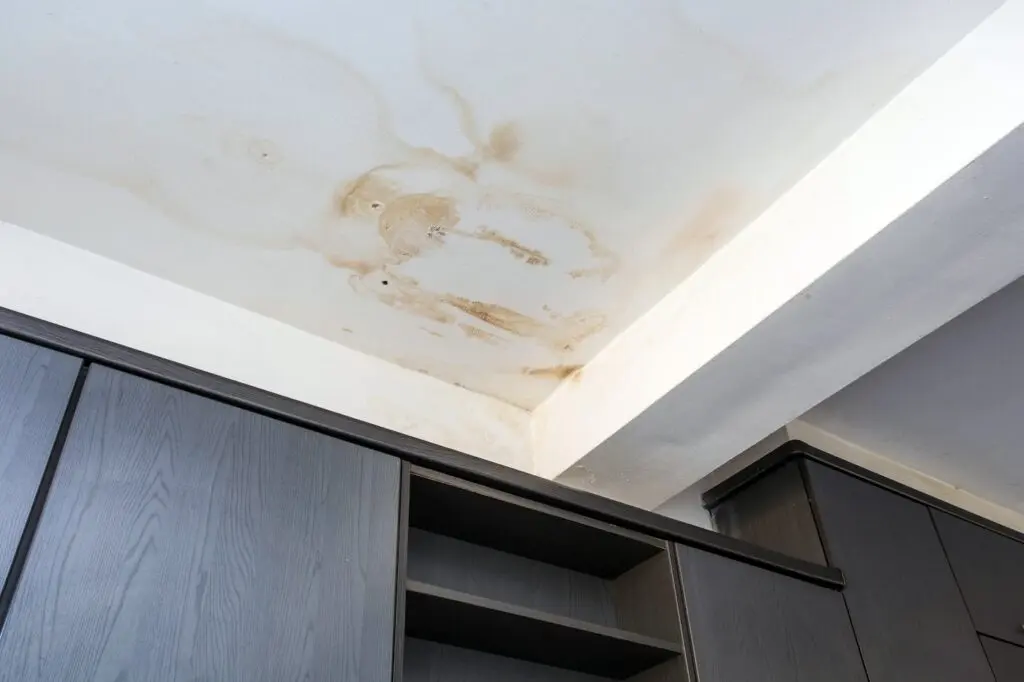
Brown or yellow stains on ceilings or walls often mean water is seeping in through your roof. Peeling paint or bubbling drywall can also indicate moisture buildup. Water rarely appears directly below the entry point, as it often travels along rafters, insulation, or the roof deck first.
Dripping during rain
If you notice water dripping inside during rain, it is a clear sign of an active leak that needs immediate attention. This usually means water has already passed through multiple layers of your roofing system.
Mold or mildew growth
Leaks create damp areas where mold thrives. This can point to trapped moisture in your attic or insulation and should be addressed quickly.
Damaged or cracked shingles
Cracked shingles, curling edges, or missing pieces reduce your roof’s ability to shed water. While visible damage may seem minor, it often leads to deeper issues beneath the surface.
Sagging roof areas
A sagging roof suggests moisture buildup or damage to the roof deck. This is a serious issue that should be addressed by a roofing professional as soon as possible.
Damp attic and musty odors
A damp attic or musty smell is often one of the first signs of a roof leak. Moisture tends to collect here before it becomes visible inside your home.
Where Roof Leaks Start Most Often
Not all areas of your roof are equally vulnerable. Most leaks don’t happen randomly, they tend to form in specific high-risk areas where materials meet or water naturally collects.
| Roof Area | Why It’s Vulnerable | What to Watch For |
|---|---|---|
| Chimneys | Flashing can crack or separate over time | Water stains near chimney base |
| Roof vents | Seals and rubber boots wear down | Leaks around vent pipes |
| Skylights | Multiple seams increase failure points | Drips or condensation buildup |
| Valleys | High water flow during rain | Shingle wear or pooling water |
| Flashing joints | Expansion and contraction loosen seals | Visible gaps or rust |
| Gutters & edges | Poor drainage leads to water backup | Overflow or standing water |
Common DIY Roof Leak Repairs Homeowners Can Handle
Many homeowners look for ways to handle small roof issues themselves to save on costs. While not every repair should be DIY, there are simple fixes that can be handled safely with the right approach.
- Replace a few shingles: Swap out damaged or missing shingles to restore surface protection
- Seal small cracks: Apply roofing sealant to minor gaps or punctures
- Clear debris: Remove leaves and buildup that trap moisture
- Secure loose flashing: Reinforce areas where flashing has lifted
Effective roof leak repairs involve identifying the source, cleaning debris, and applying specialized sealants or replacing materials on a dry day. Working in the right conditions ensures materials bond properly and repairs last longer.
8 Steps to Repair a Roof Leak the Right Way
Repairing a roof leak requires a methodical approach. Following these steps helps ensure the problem is fully addressed and reduces the chance of future issues.
1. Locate the Source of the Leak
The first step is identifying where the water is entering your home. Start inside by checking ceilings and the attic for moisture and trace the issue upward.
- Interior inspection: Look for stains, drips, or damp insulation
- Exterior check: Identify damage directly above the problem area
- Common sources: Shingles, flashing, and roof penetrations
2. Inspect the Roof Thoroughly
Once you have a general location, perform a detailed inspection to confirm the cause and extent of damage.
- Shingle condition: Look for cracks, curling, or missing pieces
- Flashing damage: Check around vents and chimneys
- Underlayment exposure: Watch for areas where layers are compromised
3. Gather the Right Materials
Having the proper tools and materials ready ensures a smoother repair process and better results.
- Replacement shingles: Match your current roofing system
- Roofing sealant: Used to seal cracks and small openings
- Safety gear: Gloves, proper footwear, and stable ladder
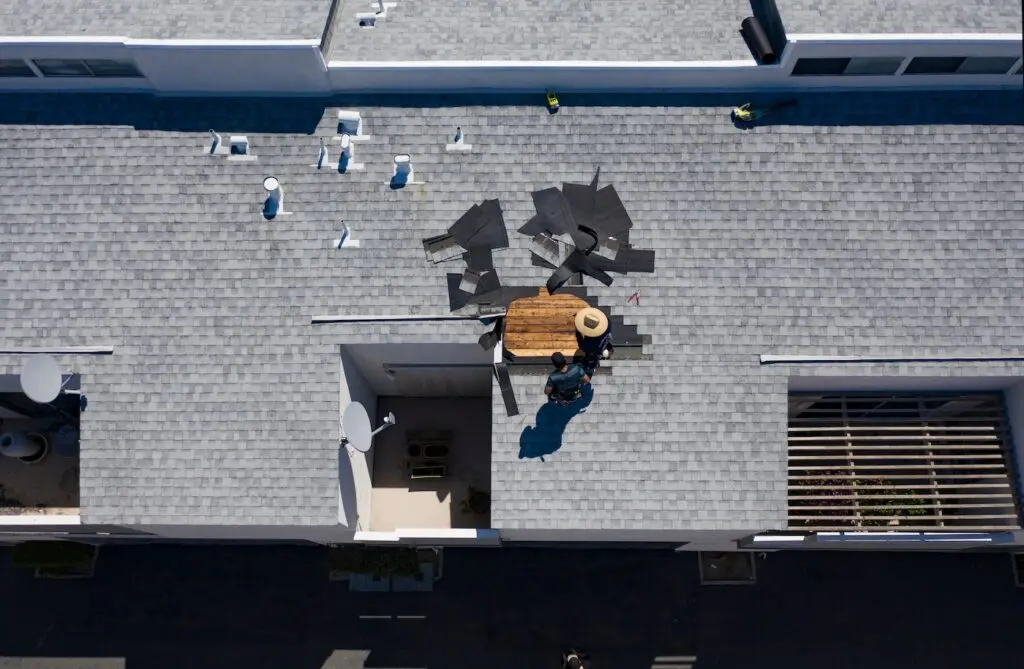
4. Replace Damaged Shingles
If shingles are the issue, carefully remove the damaged ones and install new pieces to restore protection.
- Remove carefully: Avoid damaging surrounding shingles
- Secure properly: Nail replacements in the correct location
- Seal edges: Apply sealant for additional protection
5. Repair or Reseal Flashing
Flashing is one of the most common leak points and must be sealed properly to prevent water entry.
- Seal gaps: Apply roofing caulk to cracks
- Reinforce joints: Ensure tight seals around fixtures
- Replace if needed: Install new flashing if damage is severe
6. Patch Small Holes or Cracks
Small openings can allow water in over time, leading to hidden damage in your roof deck.
- Apply sealant: Fill and smooth small cracks
- Reinforce areas: Use patches where needed
- Check surrounding sections: Ensure no additional damage exists
7. Clear and Check Gutters
Proper drainage is critical for preventing future leaks and protecting your roofing system.
- Remove debris: Clear leaves and buildup
- Check water flow: Ensure proper drainage away from your house
- Inspect downspouts: Confirm they are not blocked
8. Perform a Final Inspection
After completing repairs, double-check your work to ensure everything is sealed and secure before the next storm.
- Check repairs: Confirm all materials are properly installed
- Look for missed damage: Identify any overlooked areas
- Test with water: Simulate rain if possible
When It Makes More Sense to Replace Your Roof
There are situations where repairs are no longer the most cost-effective option. Understanding when to move forward with a roof replacement can save money over time.
- Frequent repairs: Ongoing fixes add up quickly and signal larger issues
- Extensive water damage: Damage to the roof deck or underlayment often requires replacement
- Old roofing system: Aging roofs are more prone to leaks and failure
- Widespread shingle damage: Large areas of cracked shingles reduce overall protection
- Decreased performance: If your roof no longer protects your house effectively, replacement may be the better long-term solution
If over 25% of the roof requires repair, a total replacement is generally more cost-effective. Choosing to replace your roof at the right time can prevent larger structural issues and provide better long-term value.
When It’s Time to Call a Roofing Professional
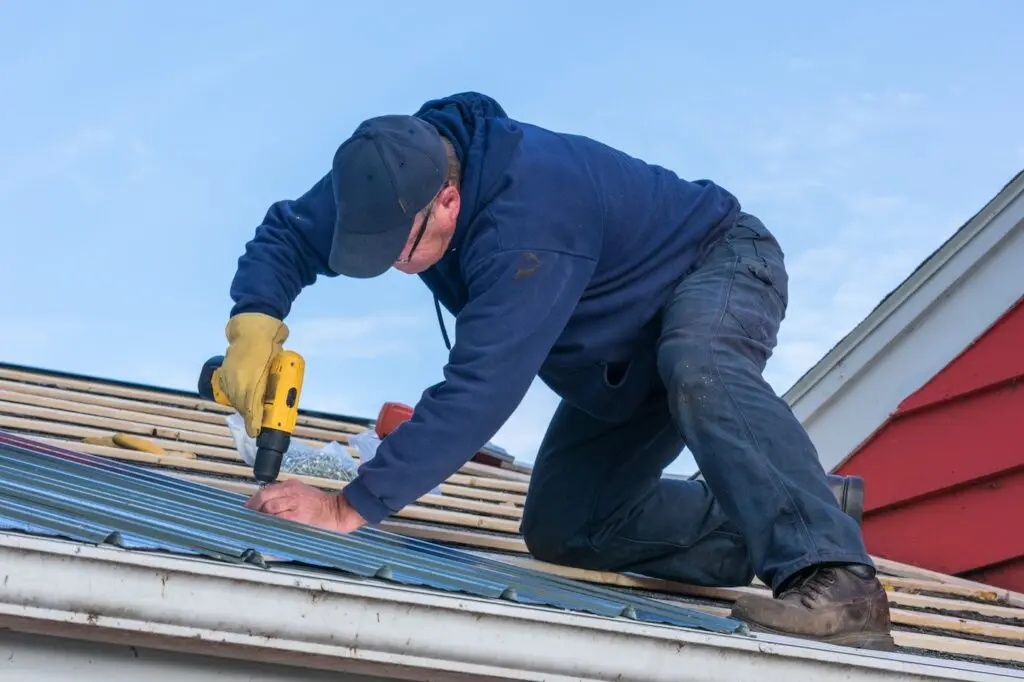
While some minor repairs can be handled on your own, there are situations where professional help is the safer and more effective option.
- Major damage: Structural issues or large leak areas require expert repair
- Recurring leaks: Ongoing problems point to deeper issues
- Complex roof design: Steep or multi-level roofs increase risk
- Uncertain damage: A professional inspection provides clarity and direction
Community Pro Roofing: Reliable Roof Leak Repair You Can Count On
Roof leak repair is not just about fixing a problem, it is about protecting your home and everything inside it. At Community Pro Roofing, we help homeowners identify issues, complete repairs properly, and prevent future damage with solutions built to last.
Our team focuses on clear communication, quality workmanship, and doing the job right the first time. Whether you are dealing with a small leak or considering a full roof replacement, we are here to provide dependable service and long-term results. Contact us today to schedule an inspection and get expert guidance on the best next steps for your roof.